
 Caleb Turner
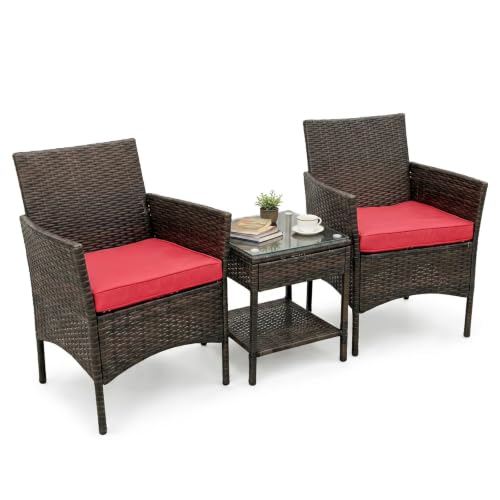
If you’re looking for budget-friendly items for your home, I found a range of prices at local thrift shops. For chairs, expect to pay between $10 and $50, depending on the style and condition. Tables might cost anywhere from $20 to $100, making it a great opportunity for those on a tighter budget.
Dressers and larger storage solutions vary significantly, with prices typically ranging from $30 to $150. For unique finds, like vintage pieces or artisan-crafted items, you could invest a bit more, up to $200. Keep an eye out for seasonal sales and promotions that can lead to even larger savings.
To make the most of your visits, visiting multiple locations is key. Inventory changes frequently, and the best deals might be waiting just down the street. It’s worth your time to check back regularly, as you may find treasures that perfectly fit your style and space!
Average Prices for Different Types of Furniture
I found that prices vary significantly based on the category of items available. Below is a summary of average costs for various pieces.

| Item Type | Average Price ($) |
|---|---|
| Sofas | 150 – 350 |
| Chairs | 30 – 100 |
| Tables (Dining) | 100 – 250 |
| Dressers | 80 – 200 |
| Nightstands | 25 – 75 |
| Desks | 50 – 150 |
| Bookshelves | 40 – 120 |
Each item can be negotiable, and I recommend checking for discounts or special offers as well. Regularly visiting can also help in spotting unique deals or interesting pieces.
Factors Affecting Pricing at Goodwill
Location plays a significant role in the cost of items. Urban areas typically see higher price points due to increased demand and rental costs. In contrast, smaller towns might offer more economical choices.
Condition of the item is critical. Gently used or refurbished pieces fetch a premium, while those requiring repairs or restoration are often more affordable. I often examine each item for signs of wear, as this directly impacts value.
Brand reputation influences the price as well. Well-known names, even if used, maintain a higher resale value. I keep an eye out for designer labels that could provide a better return on investment.
Seasonality Effects
Seasonal changes can cause fluctuations in pricing. For example, during back-to-school season, desks and shelves might increase in price, reflecting demand for student essentials. Holidays can also drive prices up for decorative pieces.
Donation Volumes
The quantity of donations affects availability and pricing. A surplus of certain items, like sofas or dining tables, may lead to lower prices due to increased competition among these pieces. I often notice a shift in inventory and pricing, depending on inventory levels and trends in donations.
Comparison of Goodwill Furniture Prices with Retail Stores
Prices at thrift organizations can significantly undercut retail outlets. For instance, a gently used sofa might sell for $100 at a resale shop compared to $800 at a mainstream retailer. Desks often illustrate this disparity, with second-hand models priced around $75 versus upwards of $300 new. Similar trends appear with dining sets and armchairs, where vintage options offer substantial savings.
When evaluating specific categories, quality and brand influence the cost. Retail chains frequently offer serialized items with marked-up prices due to brand reputation. Conversely, lesser-known brands or unique vintage pieces at thrift locations deliver quality at a fraction of the retail cost. I recommend focusing on condition and potential repairs since this affects pricing and overall value.
It’s essential to consider additional factors that can impact the pricing landscape. While thrift stores operate on donations, the level of demand can shape prices too. Seasonal trends might elevate costs during peak purchasing periods. Comparing prices regularly will give a clearer picture of what constitutes a fair deal.
Additionally, checkout clearance sections at department stores, which can occasionally rival resale costs, should not be overlooked. However, for those on a tighter budget, exploring thrift options remains a savvy strategy to furnish a space beautifully without overspending.
Tips for Finding the Best Deals on Furniture at Goodwill
Focus on visiting during the weekday mornings. Stores often restock on Sundays and Mondays, so arriving early can give me the first pick of new arrivals.
Know Your Local Store’s Schedule
- Check for special sale days like color tag discounts.
- Participate in holiday sales for additional markdowns.
Leverage Online Resources
- Follow your nearest location on social media for updates on new shipments.
- Join local thrift shopping groups to learn from others’ experiences and tips.
Stay open to various styles and consider DIY projects. A little creativity can transform a basic item into something stunning.
Be patient and visit frequently. Consistent visits will allow me to spot trends and catch the best pieces before they are gone.
Always check for quality. Inspect items thoroughly for structural integrity and look for minor flaws that are easily repairable.
Negotiate when appropriate. If something has noticeable wear, I might ask for a price reduction. Employees may be open to discussion.
Finally, take measurements before heading out. Knowing my space dimensions will help avoid impulse purchases that won’t fit.
Assessing the Quality of Secondhand Items
Check for solid construction; give pieces a gentle shake to identify wobbling or instability. Look at joints; dowelled or mortise-and-tenon joints suggest better craftsmanship than those held together with screws or staples.
Examine Surfaces
Inspect for scratches, dents, and stains. Consider the type of finish; while minor cosmetic issues might be fixed, extensive damage can lead to larger problems down the road. Check whether the surface can withstand cleaning and polishing.
Smell Test
Sniff the item for any musty or unpleasant odors, which may indicate mold or water damage. If possible, ask about the previous environment where the piece was stored.
- Test drawers and doors for smooth operation.
- Assess upholstery by feeling for wear; fabric with pilling may need replacement sooner.
- Look underneath for hidden issues, such as pest damage or weak supports.
Make use of a flashlight to identify flaws in darker areas. When uncertain, don’t hesitate to ask staff for any history they can provide regarding the item. This information can help gauge longevity and usability.
Seasonal Trends in Pricing at Goodwill
As the seasons shift, I’ve observed distinct patterns in the costs of items at local thrift shops. During spring and summer, lighter, outdoor-friendly pieces tend to pop up, such as patio chairs and garden decor, often at lower prices to clear seasonal inventory. This gives me an opportunity to snag quality outdoor items at bargain rates.
In fall, I notice an uptick in the availability of cozy furnishings. Items like blankets, sofas, and accent chairs become more prevalent as people prepare for cooler weather. Prices may slightly increase due to demand, but this is balanced by the influx of items being donated post-summer.
Holiday seasons bring their own trends. Expect decorations, specific themed pieces, and unique collectibles. Prices might rise as these seasonal items become sought after, especially in December, when I often find limited-time offers and discounts for festive decorations.
End-of-season sales also play a role in what I find. Retailers often clear out inventory, leading to an increase in donations to thrift stores. This is a prime moment for me to shop, as I often find high-quality items at reduced rates.
I recommend keeping an eye out for specific sale days, which can vary by store location, as these often align with seasonal changes and holidays. Knowing the local calendar can help me score amazing deals, especially on larger pieces that typically carry a heftier price tag.
Finally, I’ve realized that visiting frequently throughout the year allows me to catch price fluctuations firsthand and spot items before they’re snatched up. Staying consistent with my visits enhances the chances of finding hidden gems aligned with seasonal trends.


