Caleb Turner

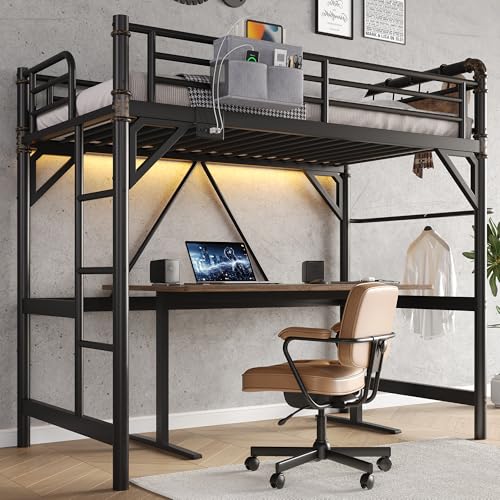
Consider evaluating payment plans that allow gradual acquisition of items for your living space instead of making a hefty upfront investment. This approach not only provides flexibility but also allows you to enjoy your selections while eventually transitioning to ownership.
Typically, you would start by selecting the desired pieces and paying an initial fee, which is then distributed across a predetermined term. During this period, you make monthly contributions that contribute toward the final purchase price. An important detail is that payments usually include a portion that goes toward an eventual ownership by you.
It’s crucial to carefully review the terms laid out in the contract. Look for hidden fees or early payoff options that may save you money over time. Additionally, assess whether the agreement allows returns or exchanges, should your taste change. Transparent terms ensure a smoother acquisition of your chosen items, ultimately leading to a successful acquisition process for your home decor.
Understanding the Process
I recommend beginning by selecting a retailer that offers flexible payment plans. This choice allows access to a variety of products based on personal needs and preferences. When I found my preferred store, I easily browsed their selection, checked prices, and marked items of interest.
Application and Approval
Next, I completed a simple application, often requiring basic personal information and details about income. Approval usually happens quickly, granting the ability to proceed with the selection. It’s important to review terms, including payment schedules and potential fees to avoid surprises later.

Payment Options
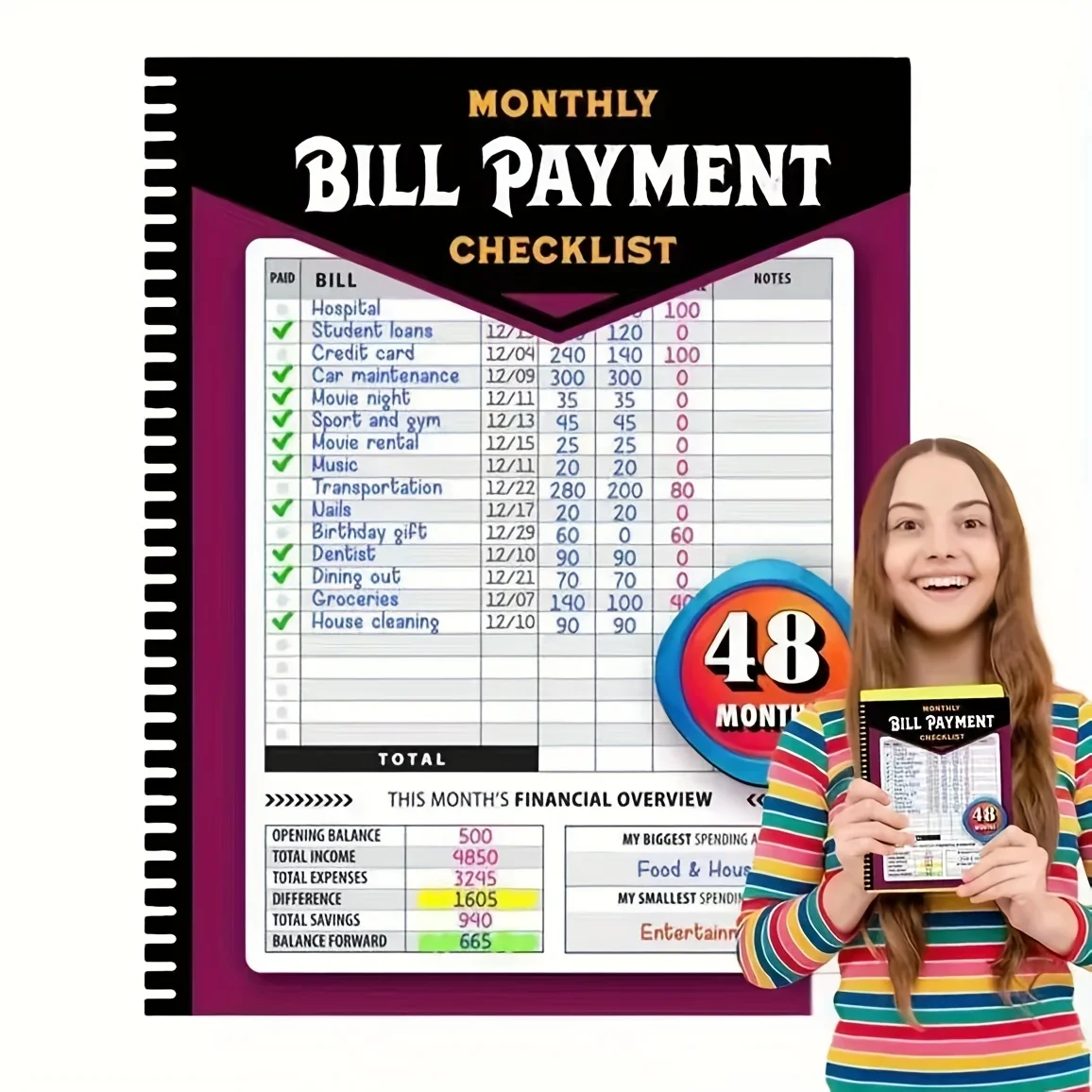
After choosing the items, I chose a payment plan that matched my budget. I had the flexibility to select a duration for payments, which can differ based on the product’s total cost. Regular payments start after taking the furniture home. At any point, I could buy the item outright to save on overall costs if I decided that it suited my needs perfectly.
Understanding the Lease to Own Concept
This arrangement allows individuals to rent an item with the option to purchase it at the end of a specified period. It is essential to thoroughly evaluate the total cost involved in such agreements. Examine the payment structure, including any fees and interest rates that may apply over the rental duration.
Before entering into a contract, compare different providers. Each company has distinct terms, and reviewing multiple options can lead to better financial outcomes. Pay attention to the duration of the contract, as longer terms may result in paying more overall.
The flexibility offered by this approach can benefit many consumers, enabling them to use items before committing to a full purchase. Ensure you keep a record of all payments made for tracking how close you are to ownership.
Consider the condition of the item at the end of the term. Many agreements stipulate that the item must be returned in good condition or may incur additional charges. Therefore, maintaining the item is crucial to avoid unexpected costs later on.
| Item Type | Average Monthly Payment | Typical Rental Period |
|---|---|---|
| Living Room Set | $100 | 24 months |
| Dining Table | $60 | 18 months |
| Bedroom Set | $80 | 24 months |
In summary, evaluating all aspects ensures that this option aligns with financial goals and preferences. This strategy can be favorable for those needing immediate access to items without upfront payment while keeping long-term financial health in mind.
Eligibility Requirements for Lease to Own Programs
To qualify for purchasing items through rental agreements, I need to meet specific criteria. These guidelines vary by provider but generally include the following:
Age and Residency
- Must be at least 18 years old.
- Reside in the country where the item is offered.
Income Verification
- Regular source of income is necessary; it can include employment, social security, or other benefits.
- Some businesses may require proof of income through pay stubs, bank statements, or tax returns.
Credit History
- Providers typically check credit history but may offer options for those with poor or no credit.
- Some companies focus on rental payment history rather than traditional credit scores.
Identification
- Government-issued ID is usually required to verify identity.
- Proof of residence may be asked for, such as a utility bill or lease agreement.
These factors ensure that individuals can commit to payment plans successfully while allowing providers to minimize risk. I always recommend reviewing specific requirements of the company I choose, as they can vary significantly.
Comparing Lease to Own vs Traditional Financing
Consider these key differences between flexible acquisition options and standard credit methods:
- Ownership Timeline: In a flexible acquisition model, you gain access to items immediately, while true ownership occurs after fulfilling the payment terms. With traditional credit, you typically own the product outright after the purchase.
- Payment Structure: Installments for flexible options often reflect weekly or bi-weekly payments, making budgeting easier for those with fluctuating incomes. In contrast, standard financing usually involves monthly payments over a longer duration.
- Credit Checks: Flexible acquisitions might require less stringent credit assessments, making them more accessible for individuals with varied credit histories. Traditional financing typically demands a robust credit evaluation.
- Interest Rates: Interest rates on standard loans can be lower than total costs incurred through continuous payments in acquisition agreements. It’s crucial to evaluate the total financial impact before deciding.
- Product Selection: Normally, flexible deals are available for a limited range of items, whereas standard financing can apply across virtually all retail categories.
- Cancellation Terms: Ending a flexible agreement often involves fewer penalties compared to traditional loans, which may incur fees or have more complex payoff scenarios.
- Impact on Credit Score: Missing payments on flexible agreements may not always be reported negatively on credit scores, while traditional loan defaults can significantly harm financial standings.
I recommend evaluating personal financial situations and future plans prior to selecting an approach. Strengthening budgeting strategies may help make informed decisions beneficial in the long run.
How Monthly Payments Are Structured
Payments are typically divided into manageable monthly installments over an agreed period. Each installment includes a portion of the purchase price along with any interest or fees applicable. It’s crucial to evaluate the total cost across the duration of the term, as this often exceeds the initial retail price. Understanding the structure helps in planning finances effectively.
Breakdown of Costs
Every month, the scheduled payment contributes toward two main components: principal and interest. The principal reduces the remaining balance, while interest serves as the cost of borrowing. To gain a clearer picture of your financial commitment, consider requesting a detailed payment schedule that outlines each monthly obligation throughout the term.
Variable Payment Structures
Payment amounts can vary based on different factors, including the duration of the agreement and any promotional offers. Certain agreements may feature lower initial payments that gradually increase over time. Always analyze the payment schedule carefully to ensure that it aligns with your budget and that you are prepared for potential increases down the line.
What Happens If You Miss a Payment
If a payment is missed, the first step is usually a notification from the provider. I recommend checking my email and messages for any communication regarding the missed payment.
Typically, a grace period is provided, allowing a few days to make the payment without additional penalties. It’s advisable to pay as swiftly as possible to avoid complications.
Failure to settle the payment within the grace period may result in late fees being added to the account. This can increase the total amount owed, which is why I prefer to stay ahead of my payment schedule.
Some providers may also report missed payments to credit bureaus, potentially affecting my credit score. I take this seriously and avoid missing deadlines at all costs.
If I find myself unable to pay, it’s wise to contact the provider immediately. They may offer solutions, such as extended payment plans or assistance programs, which could ease my financial burden.
In extreme cases, if payments continue to be missed, the provider may take back the item. This means losing access to what I have already paid for, which I try to avoid by staying proactive with my payments.
In any scenario, open communication with the provider is key. Being transparent about my situation might lead to more favorable outcomes, ensuring I can manage my obligations effectively.
Ownership Transfer Process at the End of the Lease
To obtain full ownership of the items at the conclusion of your agreement, you usually need to finalize all monthly payments as detailed in your contract. The total cost for ownership is often outlined clearly at the beginning, allowing you to anticipate the final payment accurately.
Final Payment Options
Your contract may offer a buyout option, which allows for a lump-sum payment for immediate ownership. This figure is often significantly lower than the total monthly payments combined. Alternatively, you can choose to continue with the regular payment plan until all dues are settled. Always review your agreement closely to understand any additional fees that may apply during this process.
Documentation and Transfer
Upon completing all payments, you will typically receive documentation confirming your ownership. Retain this paperwork as proof, as it may be required for warranty claims or future resale. Ensure that the store updates their records to reflect your new ownership status, which can help avoid any potential disputes.
Common Myths About Lease to Own Furniture
One prevalent misconception is that this option is exclusively for individuals with poor credit. In reality, many families with good credit choose this method for its convenience and flexibility.
Another myth is that the total cost is always greater than traditional financing. While it can be higher, this is not a guaranteed outcome. By comparing options, one can find competitive rates and plans that meet their budget.
It’s often assumed that if you discontinue payments, the items are immediately forfeited. In fact, policies may allow for grace periods or payment arrangements to help avoid repossession.
Many believe that ownership isn’t achievable, but a significant number of agreements culminate in full possession of the items after completing the payment plan.
Some might think the process is overly complex, but it generally involves straightforward paperwork and clear terms that are easy to understand.
There’s also a tendency to believe that this option involves hidden fees. Most reputable providers transparently disclose all costs upfront, ensuring no unexpected charges arise later.
Lastly, it’s thought that the items offered are of lower quality. To the contrary, many businesses offer a range of high-quality products from recognized brands, appealing to various tastes and preferences.