
 Caleb Turner
Choosing the right method for transporting bulky items is critical. I’ve found that using a combination of pallet shipping and custom packaging ensures maximum protection for my pieces. Securing furniture on a pallet not only stabilizes it during transit but also simplifies the loading and unloading process. Always consider weight limits and handling requirements of the carrier you choose.
Custom packaging can make a significant difference. I make use of extra padding materials such as foam or bubble wrap to safeguard vulnerable areas. Securing the furniture with strapping or bands keeps it steady inside the box or container. Always label boxes carefully, indicating “fragile” and “this side up” to minimize the risk of damage during transit.


Utilizing local courier services for shorter distances often proves to be faster and more economical. For longer routes, identifying specialized freight services that focus on large items can be beneficial. I continuously compare quotes and delivery times from various carriers to ensure I am making the best choice for my customers.
Shipping Strategies for Large Items
Utilizing freight carriers is often the most reliable option for transporting bulky pieces. It’s advisable to partner with a carrier that specializes in large item delivery. They provide additional services like blanket wrapping and guaranteed pickup windows.
Packaging Techniques
Choosing sturdy materials for packaging is paramount. Use heavy-duty cardboard and corner protectors to secure edges. Bubble wrap can cushion delicate areas, enhancing protection during transit. Create a custom crate for extra-large items to ensure they remain intact.
Cost Considerations
To manage costs efficiently, consider consolidating shipments. This approach reduces expenses while maximizing the space utilized on freight vehicles. Additionally, negotiating rates with shipping providers is beneficial, especially if you have consistent shipping volume.
| Shipping Method | Estimated Cost | Delivery Timeframe |
|---|---|---|
| Freight Carrier | $200 – $800 | 5 – 10 days |
| Standard Courier | $100 – $300 | 7 – 14 days |
| Local Delivery Service | $50 – $150 | 1 – 3 days |
Choosing the Right Packaging Materials for Furniture
For optimal protection of large items during transportation, I rely on specific packaging materials tailored to withstand different conditions. First, I prioritize sturdy corrugated cardboard boxes, ensuring they are double-walled for added strength. This prevents crushing and damage when stacked or transported.
Protective Padding
I also utilize foam padding and bubble wrap extensively. These materials cushion delicate surfaces and edges, minimizing the risk of scratches and dings. For vulnerable sections, such as corners, I wrap them with corner protectors made of cardboard or foam to absorb impact effectively.
Securing the Package
Once wrapped, I fasten items with heavy-duty packing tape, ensuring all seams and openings are securely sealed. I prefer using tape that can withstand temperature variations. Additionally, I label each package clearly, detailing the contents and indicating any fragile components.
Calculating Shipping Costs for Large Items
To determine shipping rates for sizable goods, I first measure all dimensions: length, width, and height. I calculate the dimensional weight using the formula: (length x width x height) / 166 (for domestic shipping in the US). This figure is compared to the actual weight; I use the larger of the two to estimate costs.
Utilizing Carrier Rate Calculators
I take advantage of online calculators provided by various carriers. These tools require inputting the dimensions and weight, as well as the shipping destination. I also consider whether the item is delivered to a residential or commercial address, as this can impact the cost.
Additional Charges and Considerations
Beyond standard rates, I account for extra fees that might arise, such as insurance, signature confirmation, or fuel surcharges. I always check for options that minimize costs without compromising delivery speed. Being thorough in this analysis ensures I price my items appropriately while maintaining affordability for the buyer.
Understanding Shipping Options and Carrier Services
I recommend utilizing a mix of shipping options and carriers to facilitate the safe transit of sizable items. Common carriers like FedEx, UPS, and DHL provide reliable services, but I also suggest examining regional freight carriers, particularly for oversized pieces. These alternatives can often offer competitive rates and specialized services tailored to larger items.
Freight Shipping Solutions
For bulky goods, freight shipping emerges as an invaluable option. Using Less Than Truckload (LTL) services helps to reduce costs while ensuring proper handling. I advise requesting quotes from several freight companies to discover the most cost-effective choice. Be mindful of the different delivery speeds; some carriers offer expedited services which may incur higher fees.
Choosing Packaging and Delivery Options
Selecting the right delivery method impacts both transit time and cost. Consider offering several shipping speeds to customers, such as standard and expedited. Additionally, providing a tracking number enhances customer satisfaction, allowing them to monitor their order’s progress. Always ensure that items are securely packaged; this minimizes risks during transport and reinforces your reputation for quality service.
Crafting Detailed Shipping Policies for Customers
To ensure clarity, I focus on creating comprehensive shipping policies that outline every aspect of the process. Clear information about dispatch times, delivery windows, and tracking options fosters customer trust and reduces inquiries. I specify estimated processing times post-purchase, detailing the days needed to package and prepare items for transit.
Defining Delivery Zones and Conditions
I include a list of regions or countries where products can be sent. If certain areas are excluded, I clearly state this. Additionally, I outline conditions regarding delivery, such as whether curbside delivery, white glove service, or assembly is available, along with any associated fees. Ensuring transparency helps customers know exactly what to expect.
Handling Damages and Returns
A section on policies regarding damages during transit is vital. I provide details on how damaged items should be reported and the process for filing claims. This includes documenting the damage with photos and contacting me within a specific timeframe. For returns, I lay out the terms, including whether returns are accepted, who covers shipping costs, and any restocking fees. This level of detail aids in setting realistic expectations and eases concerns.
Preparing Furniture for Safe Transport
I always make sure to disassemble items when possible. This not only saves space but also reduces the risk of damage during transit. Removing legs, shelves, and other removable components is essential.
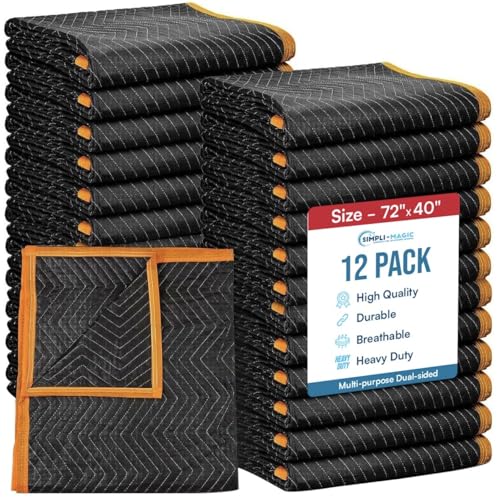
For protection, I wrap pieces in moving blankets or bubble wrap. I pay special attention to corners and edges, which are the most vulnerable spots. I secure the wrapping with tape to ensure it stays in place throughout the journey.
I position heavy items at the bottom of the shipping container, distributing weight evenly. This helps maintain balance and prevents tipping. I also use fillers or packing peanuts to fill any voids in the box, minimizing movement during handling.
Labeling is another crucial step. I clearly mark fragile items with “Handle with Care” stickers. Addressing each package accurately ensures that it reaches the correct destination without delays.
Finally, I always include detailed assembly instructions. This way, the new owner can easily put everything back together without confusion.
Labeling and Documentation Best Practices
Ensure that every package has a clear and legible label, including the recipient’s name, address, and contact number. Utilize waterproof labels to prevent smudging in case of weather exposure. Consider using a thermal printer for professional quality.
Customs Documentation
When dealing with international orders, provide accurate customs declarations. Clearly describe the item, including materials used and its purpose. Include the value for proper assessment of duties or taxes. Keep copies of all customs paperwork for your records.
Tracking Information
Always provide tracking numbers to customers upon dispatch. This facilitates easy monitoring of the shipment and enhances transparency. It’s also beneficial to communicate potential delays, especially for oversized items that may require additional handling time.
Tracking Shipments and Communicating with Buyers
Utilizing reliable tracking systems ensures that customers can easily monitor their orders. I recommend registering with carrier services that provide automatic updates on shipment status. By integrating this feature into your store, customers receive notifications regarding the location and estimated delivery time, enhancing their experience.
Effective Communication Strategies
Clear and timely communication is key. I make it a practice to send personalized messages once an order is dispatched, including:
- Tracking information linking directly to the carrier’s website.
- Estimated delivery dates.
- Contact information for additional inquiries.
Encourage buyers to reach out with any questions regarding their orders. Prompt responses build trust and satisfaction.
Proactive Notification of Issues
In instances where unforeseen delays occur, I inform customers immediately. Transparency about potential issues prevents frustration and maintains a positive relationship. Offering solutions, such as alternate arrangements or estimates on when to expect their purchases, demonstrates commitment to customer service.
Keeping communication lines open throughout the shipping process fosters loyalty and encourages return business. Regular updates on the status of their items show that I value their experience.
Managing Returns and Damaged Items During Shipping
Implement a clear returns policy to guide customers on how to process returns or report damage. This transparency builds trust and encourages proactive communication.
- Returns Process: Specify the steps for returning items. Include details such as timeframes for returns, acceptable conditions, and whether customers need to contact you first.
- Documentation: Require customers to provide photos of any damage. This can help in assessing the situation efficiently and speed up the claim process if necessary.
- Refunds and Replacements: Outline your policy regarding refunds or replacements. State whether you provide full refunds or if partial refunds are possible based on the item’s condition.
- Shipping for Returns: Clarify who covers the cost of return shipping. If items are damaged during transport, consider absorbing these costs to ease the burden on the buyer.
- Communication: Maintain open lines of communication throughout the process. Respond to customer inquiries promptly and update them regularly regarding the status of their return or exchange.
To protect against potential disputes, document every shipment meticulously. Keep records of packaging, shipping receipts, and any communication related to damages. This documentation aids in any potential claims with shipping carriers and strengthens your position should issues arise.
Additionally, consider offering insurance options for higher-value items to safeguard against loss or damage during transit. Share information about this service with your customers, as it can enhance their purchasing confidence.
Utilizing Etsy’s Shipping Tools and Features
Maximizing the use of Etsy’s built-in shipping options can greatly simplify the distribution process. I leverage the “Calculated Shipping” tool, which determines costs based on destination and package dimensions, ensuring accurate pricing for my buyers. Additionally, pre-saved shipping presets eliminate the need to manually input information for each transaction, streamlining the workflow.
Integrating Shipping Carriers
Choosing integrated shipping services allows for seamless order management. I regularly use partners like USPS, UPS, and FedEx, as connecting my account with these couriers facilitates the printing of labels directly from my shop interface. This feature reduces the risk of errors and saves time during preparation.
Utilizing Shipping Profiles
Creating and maintaining detailed shipping profiles for various item categories is beneficial. Each profile can specify different handling times, shipping speeds, and carriers, tailored to the size and type of items I’m offering. This not only informs customers about what to expect but also improves their shopping experience by providing transparency.


