Caleb Turner
If you’ve noticed your four-legged companion engaging in this peculiar habit, it’s essential to consider various factors that might be at play. Frequently, this behavior stems from anxiety or boredom, signaling a need for more mental stimulation or physical exercise. Ensuring that your furry friend has adequate playtime and engaging activities can significantly reduce such actions.
Another cause may relate to dietary deficiencies. A balanced diet is crucial, as nutritional gaps can lead to unusual habits as pets attempt to supplement their intake. Consulting with a veterinarian about specific dietary needs or transitioning to a more nutritious food can help address this issue.
Lastly, habits may also arise from seeking comfort or relief. Some pets find solace in certain textures, and it could be their way of coping with stress or discomfort. An evaluation of their environment and routines can shed light on any potential stressors. Implementing calming strategies, such as creating a secure resting area or utilizing relaxation aids, can help alleviate this behavior.
Understanding the Common Causes of Furniture Licking
Identifying the underlying reasons behind my pet’s fascination with surfaces can lead to better management and resolution of this behavior. Here are specific causes that may be at play:
1. Taste and Smell
- Many surfaces collect food crumbs or remnants of previous meals, which can be alluring to my companion.
- Certain materials might hold scents that attract curiosity, making them intriguing to investigate.
2. Stress Relief and Anxiety
- Repetitive behaviors can serve as coping mechanisms during stressful situations, providing comfort and relief.
- If my four-legged friend appears anxious, this habit may increase when faced with changes in the environment or routine.
Understanding these motivators allows for appropriate interventions, such as improving hygiene, providing toys, or consulting with a veterinarian or a professional trainer for anxiety-related behaviors.


The Role of Anxiety and Stress in Your Pet’s Behavior
Monitor your companion’s surroundings and routines to identify sources of anxiety. Changes in environment, such as moving to a new home or the addition of new family members, can trigger stress responses.
Identifying Signs of Distress
Look for these indicators that may suggest your companion is feeling anxious:
- Excessive panting or drooling
- Avoidance of eye contact or hiding
- Continuous barking or whining
- Destructive behavior, including chewing or scratching
Managing Stress Levels
Implement strategies to reduce anxiety in your pet:
- Establish a consistent daily routine, including fixed feeding and walking times.
- Provide a quiet, comfortable space where your furry friend can retreat to feel safe.
- Engage in regular exercise and playtime to reduce excess energy.
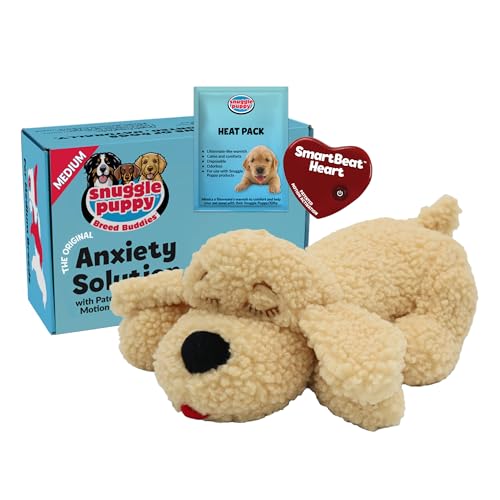
- Introduce calming aids, such as anxiety wraps or pheromone diffusers.
Consider professional help if anxiety persists. A veterinarian or animal behaviorist can provide tailored advice and treatment options. Recognizing and addressing emotional distress is crucial for your companion’s overall well-being.
Health Issues That Could Lead to Excessive Licking
Immediately address potential medical concerns by consulting a veterinarian if you observe this behavior. Various health issues may cause a pet to exhibit such actions, often reflecting physical discomfort or irritation.
Allergies rank high among the culprits. Skin allergies, be they environmental or food-related, can trigger persistent grooming and licking. Identifying and avoiding allergens can drastically improve the situation.
Parasites like fleas and mites represent another significant factor. These pests create intense itching and irritation, leading to repetitive behaviors in an attempt to find relief. A thorough check and appropriate treatments can eliminate these unwanted visitors.
Infections, either bacterial or fungal, can result in similar patterns. Skin infections or even dental issues may prompt your furry companion to focus on specific areas excessively. Prompt veterinary care can effectively address these concerns.
Underlying conditions such as hypothyroidism or Cushing’s disease can also manifest in the form of abnormal grooming habits. Recognizing symptoms associated with these disorders–like changes in appetite, weight fluctuations, or lethargy–may help in diagnosis and treatment.
Lastly, pain or discomfort from conditions like arthritis can cause an animal to lick certain areas more than normal as a form of self-soothing. Monitoring mobility and behaviors can provide insight into their health status.
How to Identify and Address Behavioral Problems
I recommend starting with observation. Monitor your pet’s habits and triggers closely. Take note of the specific times and environments involved in compulsive actions. Keeping a detailed journal can help identify patterns. For instance, record the time of day, what was happening before the behavior, and any relevant changes in routine.
Next, it’s beneficial to assess environmental factors. Stressors such as loud noises, new pets, or changes within the household can contribute to these actions. Creating a calming space with fewer distractions may provide relief.
Establishing a consistent routine is critical. Regular feeding, walks, and playtime contribute to stability. Predictability can significantly reduce anxiety-driven behaviors.
Implementing mental and physical stimulation is key. Engaging activities such as interactive toys, puzzle feeders, or training sessions redirect focus and reduce boredom. Aim for a minimum of 30 minutes of structured activity daily.
| Behavior | Potential Cause | Action |
|---|---|---|
| Excessive cleaning behaviors | Anxiety | Provide a safe space; consult a professional trainer. |
| Destructive chewing | Boredom | Increase exercise and introduce chew toys. |
| Attention-seeking | Seeking interaction | Ignore attention-seeking actions; reward calm behavior. |
If basic changes do not yield improvements, consulting a veterinarian or behavioral specialist is advisable. They can assess for underlying medical conditions or recommend behavior modification techniques tailored to your pet’s needs.
Addressing these behavioral issues takes time and patience. Consistent training, coupled with environmental adjustments, can lead to substantial improvements. Engaging with professionals can further clarify the best strategies for a harmonious coexistence.
Environmental Factors That Influence Licking Habits
Changes in the household environment can significantly impact the behavior of a pet. Factors such as temperature, humidity, and the presence of new stimuli can trigger unusual habits. For instance, increased heat might lead a furry companion to seek comfort in the coolness of surfaces, prompting persistent grooming of items nearby.
Impact of Sensory Inputs
The materials present in a setting play an important role as well. Fabrics with strong odors or textures may attract attention. Cleaning products, perfumes, or even leftover food particles can make objects appealing. Monitoring the items within your space and opting for pet-safe cleaning agents can mitigate these influences.
Disruption in Routine
Alterations in daily schedules, such as moving to a new home, changes in family dynamics, or extended absences can lead to behavioral changes. Inconsistent feeding and exercise routines may also create anxiety, prompting actions like repeated grooming. Establishing a stable routine can help alleviate stress and discourage compulsive behaviors.
Solutions and Training Tips to Discourage Licking
Implementing a consistent training routine immediately redirects unwanted habits. Using a firm “no” whenever I observe undesired behavior works effectively. Reinforcement through praise or treats when attention shifts to toys or activities aids in replacement of the behavior.
Human-grade furniture sprays can deter interest. Products formulated with bitter agents condition against unwanted chewing or licking. I ensure that any spray used is safe and non-toxic, helping to develop a reluctance to licking surfaces.
Providing engaging toys eliminates boredom that contributes to this behavior. Interactive options like puzzle toys stimulate my pet’s mind and keep them occupied, significantly reducing the desire to engage with inappropriate surfaces.
Introducing structured playtime and daily exercise helps alleviate excess energy. A tired pet is less likely to seek out surfaces for distraction. Activities such as fetch, tug-of-war, or agility training can improve focus and lessen anxiety.
Establishing a calm environment plays a substantial role. Utilizing calming products like pheromone diffusers or anxiety wraps calms in stressful situations. I monitor any environmental changes that could elevate stress, such as loud noises, and address solutions promptly.
Regular health check-ups with the veterinarian ensure any underlying medical conditions are identified. Persistent or compulsive behaviors might indicate health issues requiring professional assessment. I make sure to consult a veterinary professional if behavior escalates.
Consistency is paramount; each family member must apply the same rules and training techniques to avoid confusion. I take note of specific triggers and adjust environmental factors to minimize opportunities for the undesired behavior.
When to Consult a Veterinarian for Behavioral Concerns
Seek veterinary advice if your companion exhibits persistent or intense behaviors disrupting daily life, such as incessant chewing or gnawing at surfaces. If these actions are associated with other symptoms like excessive barking, signs of distress, or changes in eating habits, it’s advisable to consult a professional.
Monitor if the behavior escalates or persists beyond a few days without improvement. If there are notable changes in energy levels, social engagement, or interest in activities typically enjoyed, it may indicate a deeper issue warranting examination.
Consider scheduling an appointment if you observe physical changes, such as weight loss or gastrointestinal disturbances. Behavioral modifications can sometimes stem from underlying medical conditions, and only a veterinarian can provide a thorough assessment and appropriate guidance.
In instances where anxiety appears prevalent, look for signs, such as trembling, pacing, or hiding. A professional can help discriminate between behavioral and health-related factors and suggest tailored interventions.
Ensure to communicate your observations clearly during the consultation, including the frequency, duration, and context of the behavior. Detailed notes can assist in forming an accurate diagnosis and formulating an effective treatment plan.