
 Caleb Turner
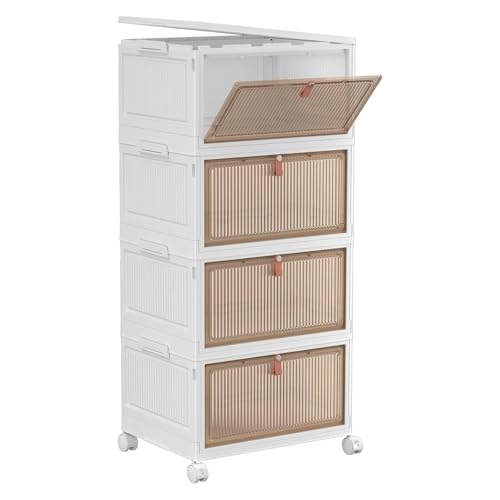
If you need a place for your belongings during a transition, consider utilizing a nearby self-storage facility. Many of these centers offer flexible lease terms, allowing you to rent space for just a few weeks or months without committing to a long-term contract.
Research local providers to find options that suit your needs, including climate-controlled units to protect sensitive items from humidity and temperature fluctuations. Websites often provide reviews and insights that help in selecting a reputable location.


Another option is renting a portable storage container. This method allows you to keep your items close to home while you focus on moving or renovations. These containers can typically be dropped off at your location and picked up once you’re ready, providing a convenient solution.
Additionally, consider asking friends or family if they have spare garage or basement space. This personal touch can save costs while ensuring your possessions remain within easy reach.
Temporary Solutions for Holding Items
I recommend checking local self-storage facilities, which often offer month-to-month agreements. Many of these places provide climate-controlled units to protect your belongings. You can reserve online and get access to your items whenever needed.
Another option is to utilize a friend’s garage or a spare room, especially if you have a close relationship. This can save costs and give you easy access during this period.
Consignment shops may help if you prefer to sell items instead of keeping them. They often allow you to store your possessions until sold, which can be beneficial if you’re not in a hurry.
Mobile storage units present a convenient alternative as they can be dropped off at your location, filled with items, and then taken away to a secure facility. This provides flexibility in timing and access.
Lastly, consider community programs or local storage initiatives. Sometimes, non-profit organizations offer temporary holding services for individuals in transition.
Self-Storage Units: A Practical Option
For a seamless solution, I recommend opting for self-storage units. These facilities offer a range of sizes and flexible leasing options, making it easy to find a space that suits individual needs. Most of them feature climate control, ensuring that delicate items are protected from temperature fluctuations.
Access and Security
Access hours are typically convenient, allowing me to retrieve belongings at my convenience. Security measures, including gated access, surveillance cameras, and individual locks, provide peace of mind. It’s advisable to choose a location with robust security protocols to guard against theft or damage.
Cost Considerations
Pricing can vary greatly, so I always compare different facilities. By checking online for discounts or promotional offers, I often find valuable savings. Additionally, some locations may provide discounts for long-term commitments, which might be worth considering if I anticipate longer storage needs.
Choosing self-storage options gives me the flexibility and security required during transitional periods. This approach simplifies the process of accommodating my belongings without the hassle of moving them repeatedly.
Using Portable Storage Containers for Flexibility
I recommend utilizing portable storage containers as a highly adaptable solution for temporary furniture needs. These containers offer a flexible approach, allowing you to keep your items secure while maintaining easy access. Many companies provide various sizes, so you can choose a container that fits your belongings without wasting space or paying for excess capacity.
Benefits of Portable Containers
One significant advantage is the delivery option. Companies often drop off the container at your location, making the loading process convenient. Once packed, you have the choice to keep the container on-site or have it relocated to a secure facility. Some key features to consider include:
| Feature | Benefit |
|---|---|
| Accessibility | Easy access to your items without strict hours. |
| Mobility | Ability to move the container to different locations as needed. |
| Safety | Durable construction protects against weather and theft. |
| Variety of Sizes | Options ranging from small to large to suit your hauling needs. |
Considerations Before Renting
Before opting for portable storage, evaluate the period you need it and check local regulations regarding placement. Additionally, consider climate factors in your area, as temperature and humidity might affect certain items. Obtaining multiple quotes from different providers will help you find a cost-effective solution that suits your requirements.
Leasing Temporary Warehouse Space
I recommend considering leased warehouse space as a solution for keeping your items secure while you figure out your next steps. Many logistics companies offer flexible contracts tailored to your needs, allowing you to adjust rental terms based on your timeline.
Here are some important factors to keep in mind:
- Location: Choose a facility close to your home or workplace for easy access during the rental period.
- Security: Ensure the warehouse has adequate security measures, such as surveillance cameras and controlled access, to protect your belongings.
- Climate Control: If your items are sensitive to humidity or temperature, opt for a climate-controlled space to prevent damage.
- Insurance: Verify what insurance coverage the facility provides and consider additional coverage for valuable pieces.
Negotiating the terms and understanding the fees associated with leasing is crucial. Many providers offer short-term contracts, allowing you to adapt as your needs change. Research various options and read reviews to find a reliable partner. This will ensure a smooth experience while safeguarding your items effectively.
Co-working Spaces Offering Furniture Storage
Many co-working spaces now provide options for keeping belongings safely while you focus on your work. These locations often include dedicated areas for personal items, including larger pieces like tables and chairs. Inquire about specific facilities that partner with local storage services or offer their own storage solutions as part of membership perks.
Benefits of Utilizing Co-working Facilities
Using such venues not only offers you a temporary holding area but also access to various professional amenities. High-speed internet, conference rooms, and networking opportunities enhance the experience. Seek out co-working businesses that promote flexibility in using their space, allowing for easy drop-off and retrieval of belongings.
Top Recommendations
Look for co-working spaces in your area that highlight storage options in their offerings. Spaces like WeWork or Spaces often feature arrangements with secure storage providers. Local co-working spots may also offer unique, tailored solutions. Always confirm the terms of use, such as accessibility hours and any associated fees, to ensure a seamless experience.
Storing Items with Friends or Family
Reaching out to close acquaintances for temporary accommodations of your belongings can yield positive results. Begin by discussing your needs clearly and politely. Specify the duration and type of items you wish to keep, so they understand the commitment involved.
Benefits to Consider
Utilizing the space of friends or family typically incurs minimal to no costs, making it a budget-friendly approach. Additionally, personal relationships often lead to increased flexibility regarding retrieval times and conditions. Make sure to contribute to the arrangement, whether it’s through helping with logistics or providing meals during the moving process.
Establish Clear Terms
Certain guidelines will help maintain a smooth experience. Discuss accessibility to ensure you can retrieve your items when needed. Documenting agreements in writing, even informally through messages, can prevent misunderstandings. Also, consider providing protective coverings for your possessions to keep them in good condition while in someone else’s space.
Evaluating Climate-Controlled Storage Needs
I highly recommend considering climate control if you have items sensitive to temperature and humidity fluctuations. For instance, wooden pieces can warp or crack in extreme conditions, while upholstery may develop mold without proper climate management.
Before making a decision, assess the specific environmental requirements of your belongings. Antique items, artwork, or leather goods often benefit significantly from controlled environments. Ensuring stable temperatures between 55°F to 85°F and maintaining humidity levels between 30% to 50% is crucial for their preservation.
Next, compare available facilities. Look for those that provide insulated units, regulated temperatures, and humidity control systems. Visiting the location and inspecting the units can give you insight into their actual conditions.
Additionally, understanding your timeline can influence your choice. If the duration is uncertain, facilities offering flexible leasing options for climate-controlled spaces might be advantageous, ensuring that you pay only for what you need.
Keep in mind that while climate-regulated units might come at a premium, the preservation of valuable pieces often justifies the extra expense. Make a list of your most vulnerable items to compare the costs of potential damage against the investment in proper storage.
Insurance Considerations for Short-Term Storage
Before making a decision, I recommend reviewing insurance options to safeguard belongings. Many facilities provide basic coverage, but it often lacks sufficient protection against potential damage or theft.
Key points to consider include:
- Facility Insurance: Confirm the level of coverage offered by the storage provider. Evaluate the terms and ensure it matches your needs.
- Personal Insurance: Check if homeowner’s or renter’s insurance extends to items placed in a storage unit. This strategy could offer better protection without additional costs.
- Third-Party Insurance: Explore specialized storage insurance policies available through third-party providers. These policies may offer more comprehensive coverage.
- Inventory List: Create a detailed inventory of items kept in the space. This documentation aids in claims if necessary.
- Value Appraisal: Determine the fair market value of your belongings to ensure proper levels of coverage. Adjust your insurance needs accordingly.
Understanding these factors is crucial in mitigating risks associated with temporarily housing possessions. Consulting with insurance agents can provide tailored solutions to enhance security for valuable items in transit.


