
 Caleb Turner

I recommend using a gentle mixture of mild detergent and warm water for an optimal cleaning solution. Start by removing any excess dirt or debris with a soft brush or cloth. This step is essential to prevent any particles from scratching the fabric during the cleaning process.
Next, submerge the protective layers in the soapy water for about 15 to 30 minutes, allowing the solution to penetrate and lift any grime. After soaking, use a soft bristle brush to scrub any stubborn stains gently. Avoid harsh chemicals, as they can damage the material.
Finally, rinse thoroughly with clean water to remove all soap residue. Hang the covers to dry in a shaded area to prevent fading from direct sunlight. Avoid placing them in a dryer, as high heat can warp the fabric and shorten its lifespan.
Cleaning Outdoor Upholstery
Remove loose dirt and debris using a soft brush or a vacuum cleaner with an upholstery attachment. This initial step prevents grime from becoming embedded during the cleaning process.
Prepare a mixture of mild detergent and lukewarm water in a bucket. Utilize a sponge or soft cloth to apply the solution, working in small sections to ensure thorough coverage.

Gently scrub the material in circular motions, paying special attention to stains or heavily soiled areas. Rinse the sponge frequently to avoid spreading dirt.
After cleaning, rinse the fabric with a garden hose to remove all soap residue. Ensure that no detergent is left behind, as it can attract dirt over time.
Allow the fabric to air dry completely. If possible, place the items in a well-ventilated area or in direct sunlight to expedite the drying process.
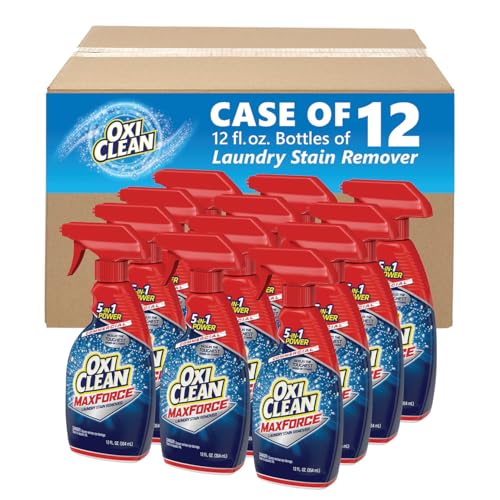
For stubborn stains, consider using a fabric-safe stain remover. Apply it according to the manufacturer’s instructions, and always test in an inconspicuous area first.
Regular maintenance extends the lifespan of your outdoor textiles. Schedule cleanings every season, or more frequently if they are exposed to high levels of dirt and moisture.
Identifying the Material of Your Covers
Begin by checking the tags or labels typically sewn into the seams. These will often indicate the fabric type, such as polyester, acrylic, or vinyl.
If no tag is present, examine the texture. Smooth materials often indicate vinyl, while more textured fabrics can suggest polyester or acrylic. Conduct a water test: if water beads up, it’s likely a treated material. If it absorbs, it may be natural fibers.
For a more detailed analysis, perform a burn test. Cut a small piece, hold it to a flame, and observe how it reacts–synthetic fibers will melt and produce a chemical odor, while natural fibers will burn and smell like burnt paper or hair.
Lastly, consult manufacturer guidelines or online resources for specific fabric characteristics to ensure proper maintenance and longevity of your protective gear.
Preparing Your Furniture Covers for Washing
Remove any loose debris, leaves, or dirt using a soft brush or a vacuum cleaner with a brush attachment. This step helps prevent dirt from embedding deeper into the fabric during the cleaning process.
Inspect the seams and fasteners for any damage. Repair any tears or frayed edges using fabric glue or needle and thread before proceeding, ensuring the integrity of the material is maintained during cleaning.
Check care labels for specific instructions on cleaning methods and suitable detergents. If absent, test a small inconspicuous area with your chosen cleaner to avoid discoloration or damage.
If the coverings are heavily soiled, consider pre-soaking them in a solution of mild detergent and water for around 15-30 minutes. This can help lift stubborn stains and make subsequent cleaning easier.
Once pre-treatment is complete, rinse thoroughly with clean water to remove any soap residue, which could lead to build-up and attract more dirt later.
Finally, make arrangements for drying. It’s best to air dry your materials, avoiding direct sunlight to prevent any fading or warping. Make sure they are fully dried before reassembling them to your furniture.
Choosing the Right Cleaning Solution
Select a detergent that matches the specific material of your protective coverings. Most are designed from fabric, vinyl, or polyester blends. I prefer using mild detergents for fabric items; they clean without damaging the fibers. For synthetic materials, a heavier-duty cleaner may be appropriate, especially if confronting mildew or stubborn stains.
Consider non-toxic, biodegradable products for an eco-friendly approach. Read labels for instructions regarding dilutions and application methods. Avoid bleach and fabric softeners, as they can weaken materials or leave residues that attract dirt.
Following is a table with recommended solutions based on material types:
| Material Type | Recommended Cleaning Solution | Notes |
|---|---|---|
| Fabric | Mild laundry detergent | Use cold water; spot clean before full wash. |
| Vinyl | Heavy-duty cleaner | Check for UV protection if applicable. |
| Polyester | Non-toxic detergent | Avoid using fabric softeners. |
If stubborn stains persist, consider a specialized stain remover. Always do a patch test in an inconspicuous area before applying any new cleaning solution to assess compatibility and avoid damage. My experience highlights the importance of proper maintenance to prolong the life of these coverings.
Selecting the Appropriate Washing Method
Opt for a gentle cycle for delicate materials, ensuring minimal agitation to prevent damage. For heavy-duty options, a normal cycle is sufficient, but always verify compatibility with the fabric type.
Machine Cleaning
Using a washing machine is efficient for sturdy textiles. It’s crucial to adjust the water temperature based on the manufacturer’s instructions–usually warm for synthetic fibers and cold for natural ones. Make sure not to overload the machine, as this can hinder thorough cleansing.
Hand Washing
For sensitive textiles or intricate designs, hand cleaning is advisable. Fill a tub with lukewarm water and add a suitable cleaning solution. Gently agitate the fabric and allow it to soak for a while to loosen dirt. Rinse thoroughly to eliminate all soap remnants.
Consider the drying process as well. Air drying is preferred for most fabrics to prevent shrinkage or fading. If using a dryer, select a low heat setting to minimize risks of damage or deformation.
Spot Cleaning Stains Before Washing
Begin by tackling any noticeable blemishes directly with a stain remover or a mild detergent diluted in water. Use a clean cloth or soft-bristle brush to gently scrub the affected area. Avoid using harsh chemicals, as they may damage the material.
Steps for Effective Spot Cleaning
- Blot the stain with a clean, dry cloth to absorb excess liquids.
- Mix a solution of water and a suitable cleaner.
- Apply the solution to the stained area using your cloth or brush.
- Let it sit for a few minutes, then scrub gently.
- Rinse with clean water and blot to remove any residue.
- Allow it to air dry completely before proceeding with the overall cleaning process.
For specific types of stains:
- Grease or Oil: Sprinkle baking soda on the stain, let it absorb for 15 minutes, then brush off and apply the cleaning solution.
- Red Wine: Cover the stain with salt to absorb excess liquid, then clean as usual.
- Food or Drink: Rinse with cold water immediately, then follow with the cleaner.
After addressing any stains, you’ll ensure a more effective overall cleaning experience.
Machine Washing vs. Hand Washing: Pros and Cons
Choosing between machine or manual cleaning depends on the material and condition of the protective coverings. Both methods have advantages and disadvantages.
Machine Cleaning
Using a washing machine saves time and effort, making it ideal for large collections. Most modern machines offer settings tailored for delicate fabrics, ensuring a thorough cleanse without excessive wear. However, improper loading can lead to damage, and specific materials may not withstand the rigors of a wash cycle.
Hand Cleaning
Manually cleaning provides greater control, allowing for gentle treatment of fragile fabrics. This method is ideal for spot treating stains, enabling targeted care. It’s also more adaptable to varying cleaning solutions. The downside is the time commitment; it requires more physical effort and can be tedious for large items. Additionally, it may not achieve the same level of deep cleansing as a machine.
Drying Methods for Outdoor Furniture Covers
Utilizing air drying is the most recommended technique. I spread the items out on a clean, flat surface away from direct sunlight, which helps prevent any potential fading or damage. If the weather permits, I hang them on a clothesline or use a drying rack, allowing for maximum airflow.
Tumble Drying Considerations
Using a tumble dryer can be quick, but I only set it on a low-heat cycle. High temperatures can warp or shrink certain materials. Adding a few dryer balls can help separate the fabric, improving air circulation and speeding up the drying process.
Drying Tips
Before fully drying, I ensure that any remaining moisture is absorbed by placing the covers in a well-ventilated area. I avoid folding or storing them while damp, as this can lead to mildew growth. Regularly checking the moisture level ensures they remain fresh and clean.
After drying, I inspect the items for any remaining stains before storing, ensuring they are in pristine condition for future use.
Maintaining Covers to Prevent Future Stains
I recommend routinely treating the fabric with a protective spray designed for outdoor materials. This creates a barrier against dirt and liquids, making it harder for stains to set in. Aim to apply this treatment every few months or as the product label suggests.
Regular Cleaning
Establish a schedule for light cleaning, even if the items appear clean. A quick rinse with water and mild soap can help prevent buildup. Pay close attention to areas that receive direct exposure to UV rays, as fading and discoloration can occur more quickly there.
Storage Considerations
When not in use, store the items in a dry, shaded area to minimize sun and moisture damage. If possible, keep them in breathable storage bags to reduce the risk of mold and mildew. Make sure they are completely dry before putting them away.
Preventing future stains is about proactive care and proper storage, which significantly prolongs the lifespan of your protective coverings.
Storing Your Furniture Covers for Off-Season Care
Before I store protective sheets away, I make sure they are completely dry to prevent mildew. Bedding for furniture should be kept in a cool, dry place, in a breathable bag or container to keep moisture out.
Here are steps I follow for optimum storage:
- First, I inspect the items for any damages or lingering stains. Repairs should be done right away to extend their lifespan.
- Next, I fold them neatly. This minimizes creasing and allows for easy access when taken out of storage.
- I place silica gel packets inside the storage container. These absorb moisture and help keep the area dry.
- It’s beneficial to store them away from direct sunlight or areas with high humidity. This prevents fading and deterioration of the materials.
Regularly checking on stored items can catch potential problems early. If I notice any signs of wear while they are stored, I take immediate action. This proactive approach extends the functional life of my protective sheets for seasons to come.


