
 Caleb Turner

Begin with measuring the dimensions of each room. Accurately assessing your available area lays the foundation for effective arrangements. I suggest creating a floor plan to visualize how different elements will fit together, ensuring a harmonious layout.
Next, define your style and color palette. Consider your personal aesthetic, whether it leans toward minimalism, contemporary chic, or rustic charm. Selecting a cohesive color scheme not only elevates the visual appeal but also creates a sense of flow throughout the space.
Focus on functionality alongside aesthetics. Every item should serve a purpose while enhancing the overall ambiance. Pay attention to materials and durability; selecting high-quality items can lead to long-term satisfaction and less frequent replacements.
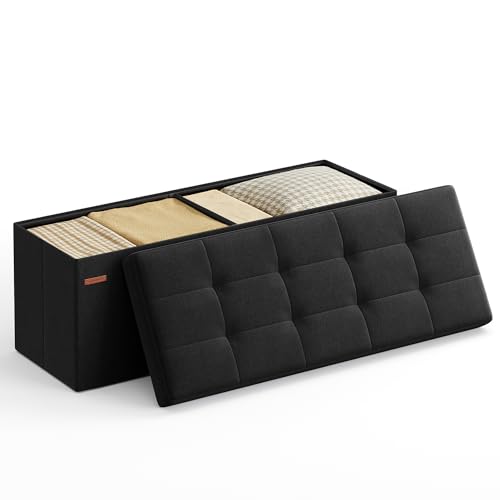

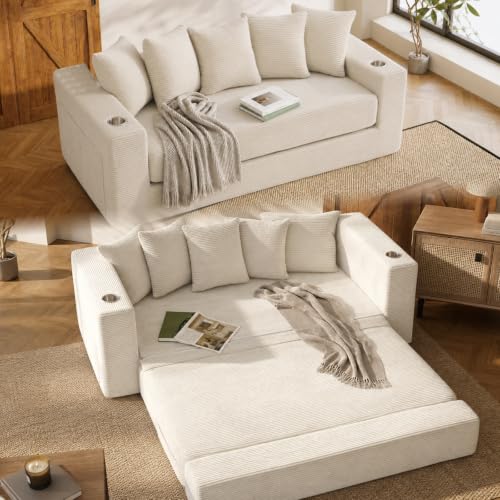
Don’t overlook storage solutions, particularly in smaller environments where maximizing space is essential. Multi-functional pieces such as ottomans with hidden compartments or tables that can double as storage can be invaluable in maintaining organization.
Lastly, consider your lifestyle. If you entertain often or have pets, opt for materials that are easy to maintain and withstand wear and tear. Prioritizing practicality ensures your selections cater to your everyday living needs while still reflecting your unique taste.
Selecting Ideal Pieces for Your Space
Begin by assessing your measurements. Accurate dimensions of each room guide decisions, ensuring everything fits harmoniously. Consider pathways and door widths to avoid discomfort during delivery and setup.
Next, identify a primary palette. A cohesive color scheme influences mood and aesthetics, creating a unified atmosphere. Choose shades that resonate with your style and existing decor.
Invest in multifunctionality. Pieces that serve dual purposes, like a sofa bed or an ottoman with storage, optimize space without compromising on comfort or design.
Quality matters greatly. Look for sturdiness in construction–solid wood frames and durable fabrics outlast trends, giving you long-term satisfaction. Research brands and reviews to gauge reliability.
Explore various styles–mixing contemporary with traditional can highlight unique tastes. Use statement items to showcase personality, while maintaining balance in the overall layout.
Lastly, prioritize comfort. Test items physically; a chair that looks stunning might lack the support needed for daily use. Comfort enhances enjoyment and encourages longevity in your selections.
Assess Your Space and Layout
Begin with accurate measurements of each area. Use a tape measure to document the height, width, and depth of rooms, windows, and doorways. This precision ensures everything fits as intended.
Next, create a scaled floor plan. Utilize graph paper or digital tools to draft a layout, enabling a clear visualization of the arrangement. Mark existing features like radiators, electrical outlets, and built-in furniture to account for them in your design.
| Dimension | Measurement |
|---|---|
| Room Width | ______ ft/in |
| Room Length | ______ ft/in |
| Ceiling Height | ______ ft/in |
| Window Width | ______ ft/in |
| Doorway Width | ______ ft/in |
Evaluate traffic flow and functional areas. Consider pathways between pieces, ensuring easy movement without obstruction. Prioritize essential zones like seating arrangements, dining areas, and workspaces.
Observe natural light sources. Identify which areas receive optimal sunlight during different times of day, influencing the placement of items to enhance comfort and aesthetics.
Factor in personal style and usage. Reflection on how each space will be used aids in selecting appropriate shapes, sizes, and designs, aligning with lifestyle preferences.
Define Your Style and Aesthetic
Begin with identifying what resonates with you personally. Whether you lean toward minimalist designs or prefer a bohemian vibe, recognizing your aesthetic lays a critical groundwork. Browse through magazines, websites, and social media platforms to gather images that capture your interest. Create a mood board featuring colors, textures, and patterns that appeal to you.
Determine Color Palettes
Selecting a color scheme is vital in establishing the mood of your environment. Use a combination of neutral tones with accents from your favorite colors. Shades like soft whites, grays, or beiges provide a versatile backdrop while allowing you to add splashes of color through decorative elements and textiles.
Identify Key Elements
Focus on what pieces are must-haves in your living space. List items crucial to your daily life and the atmosphere you wish to create. Determine if you prefer sleek lines and modern shapes or handcrafted, rustic elements. These choices help direct your search and ensure cohesive styling throughout.
Establish a Budget for Furniture Purchases
I allocate a specific amount for acquiring items to enhance living spaces. This begins with determining an overall financial limit, including all associated costs such as delivery and assembly.
Next, I prioritize essential pieces, assigning a percentage of my budget to each category: seating, tables, storage, and decorative elements. Often, I aim for around 50% for seating, 30% for tables, and 20% for accents.
Researching prices online and visiting local stores provides a realistic overview of the market. I compare similar items, checking for sales or discounts, to maximize value.
Consider Long-term Investment
I weigh quality against cost. Higher-priced options often lead to better durability, reducing replacement costs over time. Opting for timeless styles helps avoid trends that quickly fade, resulting in additional expenses in the future.
Plan for Flexibility
I keep a buffer in the budget for unforeseen expenses or necessary adjustments. Occasionally, I find that my initial selections do not fit, leading to unexpected purchases that can strain financial plans. A contingency of around 10-15% of the total budget typically alleviates this risk.
Consider Functionality and Comfort
Prioritize pieces that serve multiple purposes. Opt for a sofa bed or an ottoman with storage to maximize usability. Evaluate the activities in each space; a coffee table should withstand everyday use while providing a comfortable height for both relaxing and working.
Assess Seating Arrangements
Choose seating options that accommodate both relaxation and social interactions. If hosting guests is a regular occurrence, select roomy sofas or sectional styles. My own experience shows that selecting cushions with varying firmness levels can cater to different preferences, enhancing comfort for everyone.
Measurements Matter
Before acquiring, evaluate dimensions carefully. Ensure that any large items can navigate through doorways and hallways. I always measure the intended area to confirm that each selection does not overcrowd or disrupt flow. Adequate space contributes significantly to an inviting atmosphere.
Select materials that align with your lifestyle; easy-to-clean fabrics are beneficial in high-traffic areas, while plush textiles create a cozy ambiance in more intimate settings. Prioritizing comfort alongside functionality creates a harmonious balance that enhances daily living.
Choose Quality Materials for Longevity
Opt for solid wood instead of particle board. Solid wood can withstand the test of time and offers a beautiful grain that adds character. If budget allows, consider hardwoods like oak, cherry, or maple due to their durability and resistance to wear.
Fabric Selection
For upholstery, select fabrics with high rub counts, as they resist wear better. Look for materials such as leather or tightly woven fabrics that can handle daily use without degrading quickly. Also, consider stain-resistant treatments to extend the lifespan of upholstery.
Metal and Hardware
Evaluate metal components carefully; stainless steel and solid brass are excellent choices due to their strength and resistance to rust. Avoid thin, cheap metal that could bend or corrode easily. Ensure joints and hinges are made of durable materials for better performance and longevity.
Measure and Plan for Furniture Placement
Begin with accurate measurements of each room. Use a measuring tape to note the dimensions of walls, doorways, and windows. This data will help in visualizing how pieces can fit and flow within the area.
Create a Floor Plan
Utilize graph paper or digital design tools to sketch a floor plan. Represent your space to scale, ensuring to mark existing features like electrical outlets and heating elements.
- Mark the size of planned items accurately on the plan.
- Leave room for circulation paths to avoid crowding.
Think in Zones
Segment the area into functional zones, such as relaxation, dining, or entertainment. Consider how each segment will interact with others, ensuring logical flow and accessibility.
- Prioritize larger pieces first, then fill in smaller accents.
- Maintain a balance between different zones for visual harmony.
By utilizing a methodical approach to measuring and planning, arrangements will not only be aesthetically pleasing but also practical and suited for daily use.
Shop Smart: Online vs. In-Store Options
I recommend taking time to evaluate both online and traditional retail options. Each has unique advantages that can enhance your buying experience.
Advantages of Online Shopping
- Wider Selection: Access thousands of styles and brands that may not be available locally.
- Convenience: Browse and purchase items from anywhere without travel time.
- Price Comparisons: Easily compare prices across multiple retailers, potentially leading to better deals.
- Customer Reviews: Access feedback from previous buyers to gauge quality and satisfaction.
Benefits of In-Store Shopping
- Hands-On Experience: Inspect materials and comfort levels before making a decision.
- Immediate Availability: Take items home the same day without waiting for shipping.
- Personal Interaction: Seek advice from knowledgeable staff and get instant feedback on your choices.
- Visualize Your Space: Arrange furniture in designated areas to assess fit and aesthetics better.
Consider your priorities and preferences when deciding where to purchase your items. Making a list of essential items and a rough idea of your budget can help define your approach, whether online or at a local store.


