Caleb Turner

Begin by providing alternative spaces that entice your young feline. Invest in climbing structures or designated play areas that cater to their natural instincts while steering them away from surfaces you want to keep intact.
Implement consistent responses to their actions. Whenever they approach restricted zones, redirect their attention to acceptable activities. Use toys or treats to guide them away from undesirable locations, making the alternatives seem more appealing.
Incorporate deterrents strategically. Double-sided tape or mats with textures they find unpleasant can serve as physical reminders of boundaries. Combine this approach with positive reinforcement; reward them when they choose to stay on the ground or within designated spots.


Patience proves beneficial during this process. Maintain regular routines for rewards and redirection. Over time, your playful friends can learn to respect the limits you set, creating a more harmonious living environment.
Approaches to Discourage Climbing on Surfaces
Utilizing a consistent method proves beneficial. I place sturdy, double-sided tape on surfaces. The sticky texture creates an unappealing traction for the little ones, discouraging them from exploring those areas. A gentle verbal cue may accompany this, reinforcing the signal that those places are off-limits.
Alternative Positive Reinforcement
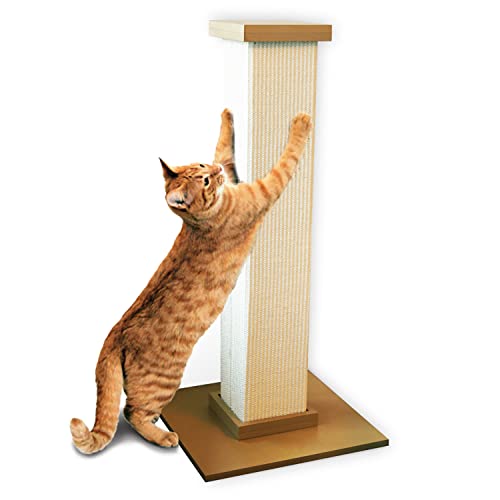
Offering appealing alternatives is effective. I construct a designated climbing area, such as a tall cat tree or shelves. By placing enticing toys or treats there, the little ones are encouraged to use these alternatives rather than the counters or tables.
Engaging Activities to Channel Energy
Activities that channel their energy directly contribute to reducing unwanted behaviors. I incorporate interactive play sessions with feather wands or laser pointers, ensuring they expend energy in a constructive manner. Following energetic play, I redirect them to the previously mentioned climbing area as a reward.
| Method | Description |
|---|---|
| Double-Sided Tape | Unpleasant texture deters exploration of specific surfaces. |
| Designated Climbing Area | A tall structure with toys encourages climbing away from counters. |
| Interactive Play | Engaging with toys helps expend energy and reduces the urge to climb. |
Understanding the Reasons Behind Jumping
Observing the behavior of my feline companions revealed several key motives for their propensity to leap onto various surfaces. Acknowledging these reasons is crucial for developing effective strategies.
- Exploration: Cats possess an inherent curiosity that drives them to explore their surroundings. Elevated locations offer a vantage point, allowing them to survey their territory.
- Comfort: Sofas and beds provide warmth and softness, which are extremely appealing to a cat seeking a cozy resting spot.
- Playfulness: Energy and instinct push them to engage in playful antics, often leading to spontaneous leaps onto furnishings.
- Attention Seeking: Cats quickly learn that jumping attracts attention, whether from praise or reprimands, reinforcing the behavior.
Recognizing these motives helps in creating an environment that satisfies their needs without allowing unwanted access to surfaces. Providing suitable alternatives, such as climbing trees or designated play areas, redirects their energy effectively.
Creating a Designated Play Area for Kittens
I established a specific zone for play, which has proven invaluable for guiding my little ones. A designated area maintains focus and limits distractions. I selected a space away from high surfaces, ensuring a safe environment where they can explore and exert energy.
Soft, padded flooring helps cushion falls. I included scratching posts and climbing structures that encourage natural behavior without the risk of damage to household items. Additionally, I integrated various toys–balls, feather wands, and interactive puzzles–to stimulate their minds and keep them engaged.
Incorporating tunnels or small hideaways can enhance their sense of security, giving them places to retreat. Regular rotation of toys prevents boredom, making each play session exciting. I always supervise during playtime to redirect any unwanted escapades towards more suitable activities.
Setting up visual barriers, such as shelves or furniture, can guide them toward the play area, making it clear where they should focus their attention. I rewarded positive behavior with treats or affection, reinforcing the idea that this space is their domain for fun.
Using Positive Reinforcement Techniques
Rewarding desired behaviors with treats or praise works wonders. Each time my feline companion plays in the designated area or uses scratching posts instead of tables, I immediately offer a favorite snack or an affectionate compliment. This reinforces good habits and encourages repetition.
Timing is Key
Immediate recognition yields the best results. When I catch my pet engaging in appropriate behavior, I reward them right away. This clear association between action and reward strengthens the connection, leading to a quicker understanding of expectations.
Variety of Rewards
Mixing rewards keeps things exciting. I alternate between treats, toys, and playtime to maintain interest. Sometimes, incorporating a new interactive toy serves as a rewarding alternative. Identifying what motivates my pet uniquely allows for tailored reinforcement strategies.
Implementing Deterrents on Furniture
Cover surfaces with materials that discourage climbing. I found that using double-sided tape or sticky paws can be effective; cats dislike the sensation of their paws sticking. Applying this tape to desired areas can quickly teach them to avoid those spots.
Consider placing aluminum foil on furniture. The crinkly noise when they land can startle them, making it less appealing. Additionally, placing motion-activated air sprayers on surfaces can emit a harmless burst of air, surprising them and reinforcing negative associations with those areas.
Utilizing Sound Deterrents
Sound-based deterrents can be useful. Devices that emit high-frequency sounds are detectable to pets but inaudible to humans. Positioning these near problem areas can discourage your feline companion from venturing onto prohibited surfaces. It’s imperative to note their sensitivity to sound, so ensure that the volume is not overly distressing.
Creating Barriers
Physical barriers also serve to keep your furry friend away. Placing decorative items, such as tall vases or plants, can create a visual obstacle. You might think about using baby gates or climbing structures placed strategically to redirect their energy towards designated play zones. This way, they can still explore while avoiding restricted spaces.
Redirecting Attention with Toys and Scratching Posts
Utilizing engaging toys and designated scratching posts can effectively shift interest away from horizontal surfaces. Offering a variety of stimulating toys is key. Rotate toys regularly to maintain enthusiasm and motivation during play sessions.
Types of Toys
- Interactive toys: Choose feather wands or laser pointers that demand your pet’s engagement and promote physical activity.
- Ball toys: Rolling balls or balls with bells offer excitement and allow for solo fun.
- Puzzle toys: These can challenge intellect and reward with treats, keeping them occupied.
Ensure toys are safe and appropriate for their size to prevent choking hazards. Supervise play initially to gauge preferences and monitor behavior.
Importance of Scratching Posts
Scratching posts serve a dual purpose: they satisfy natural scratching instincts and provide an alternative to household items. Place posts in strategic locations near furniture or areas they tend to gravitate towards.
- Select posts of varying heights and materials to cater to different preferences.
- Encourage use by sprinkling catnip on posts or rewarding with treats when they scratch the designated areas.
Regularly reinforce positive interactions with these items. By redirecting playful energy, the appeal of household surfaces diminishes, fostering a harmonious ecosystem in your living space.
Establishing Consistent Training Sessions
I recommend setting specific times each day for focused sessions to reinforce desired behavior. Consistency is key; aim for short intervals of about 5 to 10 minutes, ideally two to three times daily. Choose a time when your furry companions are naturally energetic and attentive, such as after playtime or a meal, to maximize engagement.
It’s beneficial to have a designated training area free from distractions. This can help your furry companions concentrate on the tasks at hand. During these sessions, use clear cues and consistently reward positive behavior with treats or praise. Make certain that everyone in the household uses the same commands to avoid confusion.
Documenting each session can reveal patterns over time, helping to track progress and make necessary adjustments. Consider using a simple notebook or an app to note their reactions and improvements. This approach allows for a structured plan that can adapt as they grow and their understanding develops.
Building a routine fosters familiarity in the training process. Repeating commands and actions daily helps imitate a natural learning environment. Over time, this consistency promotes understanding of boundaries, leading to a more harmonious living space.
Monitoring Progress and Adjusting Strategies
I closely observe my feline companion’s behaviors during training sessions. Keeping a journal helps track specific instances of successful redirection and any relapses. Noting the frequency of unwanted leaps onto surfaces provides insight into patterns, allowing for timely adjustments to my approach.
If a particular tactic isn’t yielding the desired results, I reevaluate possible underlying motivations. For instance, if my little one gravitates towards a certain sofa, I assess whether it offers a cozy spot or an enticing view. This reflection prompts alternative strategies, such as relocating attractive elements away from this area.
Additionally, I experiment with varying reward stimuli. Initially, treats worked wonders; however, I’ve noticed a shift to favoring playtime as a primary incentive. Recognizing these changes in preference informs my reinforcement choices.
Regular intervals for assessment are crucial. I establish weekly check-ins to evaluate the effectiveness of my methods. If progress stalls, I initiate brainstorming sessions for innovative deterrents, possibly introducing different textures or scents that my pet finds unappealing.
During these reviews, I also adjust session lengths and frequencies. Shorter, more frequent training opportunities often maintain engagement, whereas prolonged sessions may lead to fatigue. I strive to maintain a balance that encourages focus without overwhelming.
Ultimately, flexibility is paramount. I remain ready to switch tactics, keeping in mind that what works today may evolve with my companion’s growth and evolving habits. Staying attentive ensures a supportive environment where delightful exploration is possible without unwanted ascents onto surfaces.