Caleb Turner

Begin by assessing the space available in your residence. Identify areas that can be temporarily cleared, such as garages, basements, or spare rooms. The right environment is crucial; ensure it is dry, well-ventilated, and free from extreme temperatures. Using covers is highly recommended to protect against dust and potential damage.
Next, categorise your items for easier management. Group pieces that belong together and label boxes clearly. For delicate or valuable items, consider packing them in padded materials or bubble wrap to prevent any scratches or breaks, especially if you anticipate heavy foot traffic in the vicinity.


If suitable space is not available indoors, renting a storage unit can be a practical solution. Choose a unit that offers climate control for sensitive materials, and make sure to organise the contents systematically; placing larger items at the back and smaller items in front can save time and effort when retrieving them.
Lastly, enlist the help of friends or family members for moving larger pieces to avoid any strain or injury. Proper lifting techniques can alleviate unnecessary risk, ensuring a smooth transition for your valuables. Paying special attention to these details will help safeguard your possessions and simplify the process significantly.
How to Store Furniture During Home Renovation
Remove all items from surfaces and drawers before moving larger pieces to prevent damage. Bubble wrap and old blankets serve well for wrapping delicate surfaces like glass or wood finishes, protecting them from scratches and dents.
For larger pieces, I disassemble them if possible. Keeping screws and small parts labeled in bags taped to the main component simplifies reassembly later. Use a sturdy tarp to cover items, safeguarding against dust and debris that accumulates throughout the project.
I recommend selecting a climate-controlled area to prevent moisture and temperature fluctuations from causing warping or mold. If using a garage or basement, consider placing wooden pallets underneath to promote airflow.
Vertical storage can maximize available space, especially with mattresses and sofas. Leaning them against a wall keeps corners intact. It’s wise to group similar items together and keep frequently accessed pieces at the front for easy retrieval.
Lastly, document the process with photos before packing everything away. This visual inventory serves as a reminder of where each item belongs and assists in faster reorganization once the work is completed.
Assessing Furniture Items for Storage Needs
Begin by categorizing my belongings based on size and type. Large pieces, such as sofas or dining tables, require substantial space, while smaller items, like chairs or décor, can fit into tighter areas. I take precise measurements to ensure everything can be accommodated without damage.
Next, I evaluate the material of each item. Upholstered pieces need protection from moisture and dust, so covering them with breathable blankets is ideal. Wooden surfaces, on the other hand, should remain in a climate-controlled setting to prevent warping.
I also consider the frequency of use. Essentials that I may need access to later should be stored in a more reachable spot, while seasonal items can be placed further back or stacked. By organizing based on accessibility, I can ensure a smoother transition when my space is ready for use again.
Identifying sentimental or fragile items is crucial as well. These should be handled with extra care, possibly using custom boxes or padded coverings for added protection. Taking photographs before packing can also help in remembering how to reassemble or position these items once the project is completed.
Finally, I list everything systematically. Documenting each item and its location aids in a quicker retrieval process. This minimizes frustration later and guarantees that all belongings are accounted for when the time comes to reintegrate them into the freshly updated living space.
Choosing the Right Storage Space for Your Furniture
Assessing the dimensions of available spaces is my first step. I measure the length, width, and height of potential storage areas. This helps ensure that all my items fit comfortably without being squished or risking damage.
Climate control is a priority for me. I select locations that maintain a consistent temperature and humidity level to prevent warping, mold, or mildew. Choosing a climate-controlled unit or garage space significantly enhances the longevity of my possessions.
I consider accessibility next. Whether I opt for a rented unit or utilize a family member’s garage, I want easy access to retrieve or check on items. This requires evaluating proximity, entrance options, and hours of operation.
Security features are non-negotiable. I prioritize spaces with high-quality locks, surveillance cameras, and gated access. Knowing my belongings are secure gives me peace of mind during the process.
Finally, the condition of the chosen area matters. I inspect for signs of leaks, bugs, or pests. A pristine space ensures my collectibles and structures remain in top shape regardless of time spent in storage.
Preparing Furniture for Long-Term Storage
To ensure your belongings remain in optimal condition in a storage space, I carefully follow a methodical approach. First, I clean each item thoroughly. Dirt and dust can lead to damage over time, so using appropriate cleaning solutions tailored to the material is essential.
Next, I focus on disassembly. For larger pieces such as beds or tables, removing legs and other detachable components minimizes space and reduces the risk of breakage. I package these parts in labeled bags or boxes to keep everything organized and easily accessible.
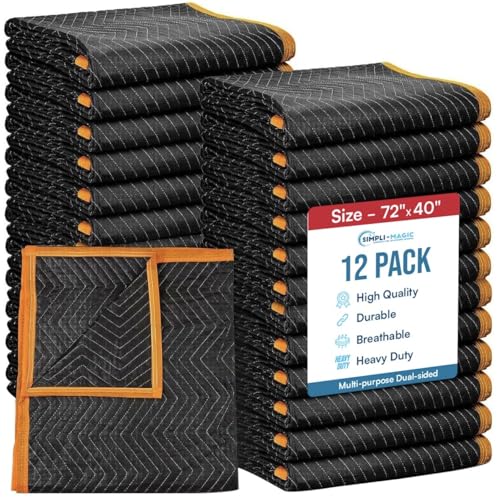
Protection is a priority. I wrap pieces in moving blankets or bubble wrap, safeguarding them from scratches and dents. For particularly delicate items, I use custom padding to ensure a snug fit. My rule of thumb is to cover every surface.
Humidity and temperature control are critical factors for preservation. I utilize climate-controlled units whenever possible, particularly for wood, leather, and upholstered articles. Moisture-absorbing packets can be placed inside boxes to combat humidity.
I also arrange items strategically in the storage area. Heavier boxes go on the bottom, while lighter and more fragile pieces are placed on top. This approach prevents unnecessary pressure and protects against crushing. Wide items should be stored upright, and I ensure that nothing is stacked too high to avoid instability.
Lastly, I maintain a complete inventory of everything stored. A checklist with descriptions and photographs helps track items and makes retrieval straightforward. This organized system provides peace of mind and simplifies the moving process when it’s time to retrieve the belongings.
| Step | Description |
|---|---|
| Clean | Remove dust and dirt from all surfaces. |
| Disassemble | Take apart larger pieces to save space. |
| Wrap | Use blankets or bubble wrap for protection. |
| Control Environment | Opt for climate-controlled spaces and use moisture absorbers. |
| Organize | Store heavier items at the bottom and label everything. |
| Inventory | Keep detailed records to track all items. |
Packing Techniques to Prevent Damage
To protect items from harm, I implement several effective strategies. First, I carefully clean each piece to remove dust and debris that could cause scratches or stains over time. Then, I use appropriate padding materials for extra protection.
Recommended Packing Materials
- Bubble Wrap: Ideal for wrapping delicate surfaces.
- Moving Blankets: Useful for larger pieces; they absorb shocks.
- Foam Corner Protectors: Excellent for safeguarding edges of tables and cabinets.
Applying these materials systematically allows for enhanced safety.
Strategic Wrapping Techniques
- Wrap each item individually, ensuring complete coverage.
- Secure with tape, avoiding adhesive contact with surfaces.
- For modular items, disassemble carefully and pack smaller components together to avoid loss.
Label all packed boxes clearly using a permanent marker, noting the contents and any special handling instructions. This keeps everything organized, ensuring ease of access while minimizing risks of mistakes during unpacking.
Lastly, avoid stacking heavy boxes on top of delicate items, preventing unnecessary pressure that could lead to damage. Following these specific methods has consistently kept my possessions safe and intact throughout various projects.
Organizing Your Storage Space for Easy Access
I recommend categorizing each item before placing it into the designated area. Group similar pieces, such as chairs, tables, and cabinets, to simplify retrieval. Use clear labels on boxes or bins, indicating their contents to save time searching later.
<p)Incorporating shelving units will maximize vertical space, freeing up the floor for larger items. Ensure the most frequently needed pieces are at eye level for quick access. Utilize stackable bins for smaller accessories, reducing clutter and enhancing visibility.
Consider creating a designated pathway inside the storage area. Wheeled carts can facilitate moving items without lifting, especially if heavy pieces are involved. Additionally, maintain an inventory list of all stored items, ensuring easy tracking and locating when needed.
Ensure there’s adequate lighting in the storage space to quickly identify specific items. Overhead lights or portable lamps can illuminate dark corners, preventing accidents while searching through boxes. If possible, position your storage area near the renovation site, minimizing transportation efforts.
I find that maintaining the organization regularly pays off. A brief weekly check can keep the space tidy and ensure everything remains in its designated spot. This proactive approach minimizes stress when I need to access items quickly.”
Monitoring Furniture Condition During Renovation
Regularly inspect items stored away to ensure they remain in excellent condition. Schedule weekly checks to assess the environment and identify potential problems such as moisture, pests, or dust accumulation.
Utilizing Moisture Meters
Employing moisture meters can provide valuable insights into humidity levels. Aim to maintain humidity between 30% and 50% to prevent warping or mold growth. Use desiccants or dehumidifiers if levels exceed recommended thresholds.
Protective Covers and Maintenance
Utilize breathable covers for additional protection. Regularly dust and clean each piece, ensuring you use appropriate cleaning agents suitable for the material. If necessary, reapply protective finishes or treatments to surfaces to extend their lifespan.