
 Caleb Turner

Before applying any finish to your patio pieces, ensure they are clean and dry. I recommend using a mild soap solution and a soft cloth to remove dust and grease, which can hinder adhesion. Allow ample time for the surfaces to dry completely, ideally 24 hours.
Choosing the right product is crucial for achieving a long-lasting result. I suggest opting for an oil-based treatment, which penetrates deeper into the wood pores compared to water-based options. This method not only enhances the natural beauty but also provides superior protection against the elements.
When applying, use a high-quality brush to ensure even coverage. I find that working in the direction of the grain produces the best finish. Apply a thin coat, allowing it to soak for about 15 minutes before wiping off any excess. A second coat may be necessary for optimal durability, especially in areas that are more exposed to weather conditions.
Lastly, patience is key. Allow the treated pieces to dry for a full 48 hours before using them again. This waiting period guarantees that the finish cures properly and offers the best protection against moisture and UV damage.
Staining IKEA Outdoor Furniture
Before applying any color, I thoroughly clean the surface using a mixture of soap and water. This step ensures that all dirt and grime are removed, allowing for better adhesion of the product. After cleaning, I allow ample drying time; usually, a few hours in the sun works perfectly.


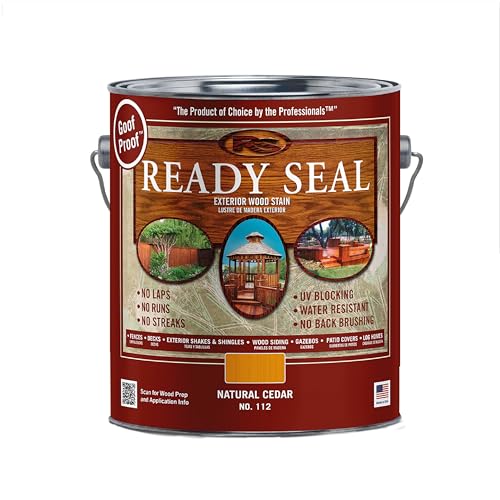
Once dry, I choose a suitable wood finish that complements the natural grain of the material. I prefer a penetrating oil or semi-transparent stain for a more natural appearance. This type enhances the wood while providing protection against weather elements.
Using a quality brush makes a noticeable difference. I apply the chosen formulation in even strokes, working with the grain to prevent streaks. A second coat enhances durability and richness of color, so I wait at least 24 hours before reapplying.
To ensure longevity, I check the painted pieces periodically for wear. Regular maintenance, such as cleaning and reapplication of finish every year or two, keeps the items looking fresh and protected.
Selecting the Right Stain for Your Furniture
Opt for a high-quality product that offers UV protection and water resistance. Look for options specifically designed for exterior use, as they will withstand various weather conditions. Transparent and semi-transparent varieties enhance the natural grain, while solid colors provide a uniform finish.
Types of Stains
Acid-based and water-based formulations are common. Acid-based versions tend to penetrate deeper, offering longevity. Water-based stains dry quickly and have a lower odor, making them easier to use in small spaces.
Colors and Finishes
Choose shades that harmonize with your environment. Earthy tones such as browns and greens work well in natural settings, while grays and whites suit modern aesthetics. Sample a small area first to ensure compatibility with your existing decor.
Preparing the Surface for Staining
Before applying any product, I thoroughly clean the surfaces. I use a mixture of warm water and mild soap, scrubbing the wood with a soft brush. This step removes dirt, grime, and any old finish that may interfere with absorption. Rinse with clean water and allow it to dry completely; this may take a full day, depending on the weather conditions.
Sanding the Wood
Next, I tackle the sanding. Using medium-grit sandpaper (around 120-150 grit), I gently sand the surfaces in the direction of the grain. This process helps to smooth rough patches and opens up the wood fibers for better absorption of the finish. After sanding, I switch to fine-grit sandpaper (220 grit) for a final pass to ensure a silky texture, which enhances the bonding of the application.
Cleaning Up Dust
After sanding, I meticulously remove all dust from the wood. A vacuum cleaner with a brush attachment works well for this task. I follow up by wiping the surfaces with a lint-free cloth or tack cloth, ensuring no residue is left. This is crucial for achieving an even application and maintaining the finish’s integrity.
| Tools/Supplies | Purpose |
|---|---|
| Soft Brush | Cleaning |
| Sandpaper (120-150 grit) | Smoothing surface |
| Sandpaper (220 grit) | Finalizing texture |
| Vacuum Cleaner | Removing dust |
| Lint-free Cloth/Tack Cloth | Final wipe down |
Ensuring surfaces are properly prepared sets the foundation for a durable and visually appealing finish. Each step I follow is pivotal for achieving the desired results.
Choosing the Right Tools for Application
For optimal results, I focus on selecting the appropriate instruments for application. Here’s what I use:
- Brush: A high-quality synthetic brush works well for smooth, even coverage. I prefer a 2-3 inch size for intricate areas and a larger brush for flat surfaces.
- Roller: A foam roller can expedite the process on bigger sections. I ensure it’s designed for use with the solution I’ve chosen.
- Sprayer: For larger pieces or projects, a sprayer can deliver a uniform layer. I opt for an airless sprayer for control and efficiency.
- Rags: Lint-free cloths are crucial for wiping excess product. I keep some on hand for quick clean-ups.
- Painter’s Tape: I use tape to protect areas I don’t want to coat, ensuring crisp lines. This is particularly handy on edges or corners.
- Drop Cloth: A durable drop cloth saves my work area from drips and spills, making cleanup simpler.
With these tools at my disposal, I can achieve a professional finish while minimizing mess and maximizing efficiency.
Applying the Stain: Techniques and Tips
For a smooth application, I find it best to use a high-quality brush or a foam applicator. This allows for even coverage and minimal streaking. Apply the product in thin layers, working along the wood grain to enhance the natural texture.
Technique Focus
Begin by applying the mixture sparingly at one end of the piece. Use long, smooth strokes to spread it evenly. I often overlap slightly as I move across the surface, which helps prevent any missed spots. If you notice drips, quickly brush them out to maintain a clean finish.
Drying and Second Coats
Allow the first coat to dry completely–check the manufacturer’s instructions for specific drying times. Once dried, inspect for any imperfections. A light sanding with fine-grit sandpaper can help create a smoother base for the second coat. Wipe away any dust before applying the subsequent layer to ensure optimal adhesion.
For deeper color, I recommend applying additional coats. Each layer enhances the depth of color, providing richer tones while also offering improved protection against the elements.
Finally, don’t forget to clean your tools with warm soapy water immediately after use to keep them in good condition for future projects.
Drying Time: What to Expect
I anticipate that after applying the finish, complete drying will take between 24 to 48 hours. However, several factors can influence this duration. Ambient temperature, humidity levels, and air circulation are key variables that affect drying speed.
Temperature Impact
In warmer conditions, I’ve observed that the liquid sets significantly faster. Ideally, a temperature range of 65°F to 75°F is optimal for quick drying. Conversely, low temperatures can prolong the drying time significantly, sometimes extending it to several days.
Humidity and Airflow
High humidity levels can cause issues as it slows down the evaporation process. When the air is moist, it can take longer for the finish to cure properly. I recommend ensuring adequate airflow during the drying phase. Utilizing fans or placing the pieces in a well-ventilated area can enhance the drying process.
Finally, before using or placing any items on the surface, I always double-check that the finish is fully cured. I’ve found that waiting a little longer than the estimated time guarantees that the application stands up well against wear and tear.
Applying a Second Coat: When and How
To achieve a deep, rich finish, I typically apply a second coat once the first one has completely dried, usually after 24 hours. Check the surface for any areas that appear uneven or lighter; these are prime candidates for an additional layer.
For the application, I use a clean brush or roller to ensure a smooth finish. I focus on small sections at a time, spreading the solution evenly while working with the grain. It’s important to monitor the thickness; too much product can lead to drips or uneven spots.
Timing Matters
A second coat shouldn’t feel sticky or tacky to the touch. If I notice any residue, I wait an extra hour before proceeding. High humidity can also affect drying times, so I pay attention to the weather conditions.
Final Touches
After the second application, I allow it to cure for several days before exposing it to moisture or heavy use. This ensures durability and a long-lasting appearance. Regularly inspecting the finish in the weeks following application helps me identify any areas needing touch-ups in the future.
Caring for Stained Furniture After Application
Wait at least 24 hours before exposing the surface to moisture. This allows the color to settle properly. For the first week, avoid heavy use and limit contact with liquids.
Regularly check for signs of wear. If you notice fading or scratches, clean the area gently with a soft cloth and mild soap followed by a thorough rinse with water. Avoid abrasive cleaners that might damage the finish.
Maintain the appearance by reapplying a light coat of protective finish annually. This will enhance longevity and preserve the appearance, especially in high-traffic areas.
Store any unused products in a cool, dry place and ensure they are tightly sealed to prevent drying out or contamination. Always follow the manufacturer’s guidelines for care and maintenance.
Lastly, protect your items from extreme weather conditions. Using covers during harsh weather will prolong their life and maintain their beautiful look.
Maintaining Your Stained Outdoor Furniture
To keep your treated patio pieces looking their best, regular cleaning and maintenance are critical. Start with a gentle soap solution and a soft cloth to wipe down surfaces every few weeks. Avoid abrasive cleaners that might damage the finish.
Inspect your pieces for signs of wear, such as peeling or fading. Should you notice these issues, consider applying a touch-up coat to maintain a uniform appearance. If the surface feels rough, lightly sand with fine-grit sandpaper before adding more product.
- Store items in a dry, covered area during harsh weather conditions to prolong their lifespan.
- Use furniture covers for extra protection against the elements.
- Consider applying a protective sealant or topcoat every year to enhance durability.
Regularly evaluate the structural integrity; check for wobbly legs or loose screws and tighten them as needed. A bit of preventive care goes a long way in preserving the quality and aesthetics of your outdoor pieces.


