
 Caleb Turner

First, leverage community platforms like Facebook Marketplace or Craigslist to reach potential buyers effectively. Create a concise and enticing listing that showcases the best features of each piece. Include high-quality images from various angles to help buyers visualize the items in their spaces.
Set competitive prices based on similar listings in the area. Research what comparable articles sell for to avoid overpricing, which can deter interested individuals, or underpricing, which can reduce your profit. Clear descriptions of the condition, materials, and dimensions will also attract serious inquiries.


Networking can significantly enhance your success rate. Spread the word among friends, family, and coworkers about items available for purchase. Hosting a garage sale can also be a great way to showcase multiple pieces at once, drawing in the community and generating interest.
Consider timing your sales around local events or weekends when more people are likely to be available. Engaging directly with potential buyers and negotiating in person can create a sense of trust and encourage transactions.
Effective Strategies for Marketing Home Goods
Utilize local online marketplaces like Craigslist or Facebook Marketplace to reach interested buyers. Create clear, appealing listings with concise descriptions and multiple high-quality images, showcasing the condition and unique features of each item.
Prioritize accurate pricing by researching similar listings in your area. Consider seasonal demand, condition, and brand reputation when determining a reasonable price point. Be open to negotiation but establish a minimum you’ll accept.
Organize a garage sale or participate in community events to showcase items. Strategically display pieces to encourage potential buyers to envision them in their own spaces. Offer package deals to move items quicker.
Leverage social media platforms to share posts with engaging visuals and relevant hashtags. Community groups on platforms often have members specifically looking for household items, creating a focused audience.
Establish trust through prompt communication and flexible meeting arrangements. Providing a safe and convenient experience for buyers can lead to a quicker transaction and potentially repeat business through referrals.
Consider the timing of your listings. Peak selling seasons often include spring and early fall, when people are more likely to invest in home decor and improvements.
Choosing the Right Selling Platform for Local Listings
Prioritizing local classified websites and mobile apps leads to more targeted visibility. Platforms like Craigslist and Facebook Marketplace are popular for connecting directly with potential buyers. Create eye-catching listings with clear images and detailed descriptions to attract serious inquiries.
Community Focused Options
Neighborhood-oriented sites such as Nextdoor can be incredibly effective. These platforms foster a sense of trust, allowing users to browse items available within their vicinity. Engaging with the community through comments or local groups also boosts your chances of a quick sale.
Specialized Marketplaces
Consider niche platforms dedicated to specific products. Websites like Chairs & Tables or Art & Antiques attract buyers specifically interested in particular styles or quality. If pieces have unique attributes, this route could maximize interest and selling price.
Preparing Your Pieces for Sale: Cleaning and Repairs
Clean thoroughly before listing any item. Use a microfiber cloth and a gentle cleaning solution, avoiding harsh chemicals that can damage surfaces. For upholstered pieces, vacuum meticulously to eliminate dust and allergens.
Address any repairs to enhance the item’s appeal:
- Assess structural integrity. Tighten loose screws or bolts to ensure stability.
- Repair minor scratches or dents using wood filler or touch-up pens for wooden items.
- For fabric-covered pieces, consider spot cleaning stains with appropriate cleaners or using steam to freshen the fabric.
- If the item has faded, a coat of polish or appropriate paint can rejuvenate its appearance.
Take pictures of the cleaned and repaired pieces from multiple angles. Ensure good lighting to highlight features and condition. This transparency builds trust and increases the chance of a successful transaction.
Finally, be transparent about any imperfections. Taking care to disclose these details fosters credibility and helps set realistic expectations.
Taking High-Quality Photos to Attract Buyers
Good lighting is crucial. I use natural light whenever possible, as it enhances colors and details. Position the item near a window during the day to achieve optimal brightness. Avoid harsh shadows by not placing the furniture directly in the sunlight; instead, diffuse the light with sheer curtains if necessary.
Show Multiple Angles
I capture various perspectives to provide potential buyers with a clear understanding. Photograph the front, back, sides, and close-ups of unique features. Including a shot of the item in a styled setting can help buyers envision it in their own space. Make sure to showcase any imperfections, as transparency builds trust.
Declutter the Background
Keeping the background simple prevents distractions. I choose a plain wall or a tidy area to highlight the piece. Removing surrounding clutter allows the focus to remain on the item being sold. If additional decor improves the visual appeal, keep it minimal.
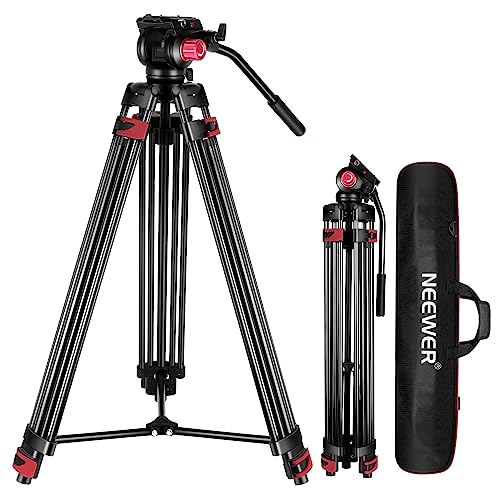
Using a tripod stabilizes the camera, ensuring sharp images. I also prefer to shoot at a higher resolution; this gives buyers a detailed view and better represents the item. Editing software can enhance colors and correct any minor flaws in the photographs.
Finally, before uploading the pictures, I ensure they are correctly named. Descriptive filenames help with searchability, making the content easily accessible for prospective buyers.
Writing Compelling Descriptions That Attract Buyers
Begin with key information: dimensions, brand, and condition. Highlight unique features such as materials, craftsmanship, or any additional accessories included. This approach ensures potential buyers instantly grasp the value of the item.
Utilizing Descriptive Language
Incorporate vivid adjectives to create imagery. Instead of saying “a couch,” specify “a plush, velvet sofa.” This draws attention and makes the listing memorable. Use emotional triggers, mentioning how the piece can enhance a living space or stir nostalgia.
| Basic Description | Compelling Description |
|---|---|
| Wooden table | Stunning oak dining table with intricate carvings, perfect for family gatherings. |
| Chair | Elegant armchair upholstered in soft linen, inviting comfort for your reading nook. |
| Bed frame | Luxurious king-sized bed frame in rich mahogany, designed for restful nights and tasteful bedrooms. |
Incorporating Keywords
Use relevant keywords that buyers might search for. Think about style, function, or any trending concepts like “mid-century modern” or “eco-friendly.” This makes the listing more searchable and increases the likelihood of attracting the right audience.
Setting a Competitive Price for Your Furniture
Research the local market by checking listings for similar items. Compare the condition, brand, and style to gauge a reasonable price range. Online platforms like Craigslist, Facebook Marketplace, and local auction sites help identify trends and what buyers are willing to pay.
Consider the Condition
Be honest about the state of the item. Minor scratches or signs of wear can lower the price, while well-maintained pieces with no damages can be priced higher. Also, consider any upgrades or customizations that add value.
Factor in the Original Cost
If you’re unsure, reference the purchase price. A good rule of thumb is to apply a depreciation rate. Typically, furniture loses about 30-50% of its original value after a few years, depending on demand and quality. Adjust this percentage based on how urgently you want to move the item.
Adding a little flexibility to the price allows for negotiations, which is common in local sales. Don’t forget to include delivery options if possible, as convenience can be a deciding factor for many buyers.
Scheduling and Managing Viewings with Potential Buyers
Clear communication is key to handling appointments with interested parties. I start by confirming the date and time with potential buyers and ensuring they are aware of the exact location. It’s helpful to provide them with parking information or any access instructions if needed.
- Use scheduling tools like Google Calendar to keep track of appointments and send reminders to both buyers and myself.
- Set specific time slots for viewings, allowing enough time between each meeting to avoid overlap and provide a comfortable environment.
I always prepare the items for viewing in advance by ensuring they are clean and accessible. During the visit, I remain available to answer questions without being overbearing. Listening to buyer feedback can provide insights that help in negotiations.
- Be flexible with timings when scheduling. Potential buyers may have varying schedules, and accommodating their needs can enhance the likelihood of a sale.
- In case of no-shows, I send a polite follow-up message to gauge their interest and propose rescheduling options.
Safety is a priority as well. I opt for public or well-populated locations when meeting buyers for higher-value items. If inviting them to my home, I ensure that someone else is present during the viewing for added security.
At the end of each viewing, I ask for feedback regarding the price and condition of the item. This information can help refine future interactions and pricing strategies.
Handling Payments Safely and Securely
Prioritize safe financial transactions. I recommend utilizing platforms that offer secure payment options such as PayPal, Venmo, or cash transactions in public places. These options minimize the risk of scams and ensure protection for both parties.
Accepting Cash Safely
If opting for cash, choose a well-lit, busy location for the exchange. It’s prudent to meet in public areas like cafes or community centers where many people are present. Consider bringing a friend along for security.
Online Payment Methods
When using digital wallets, verify the buyer’s credentials. Always ensure you send and receive payments through trusted channels. Keep detailed records of transactions for future reference, retaining receipts and any correspondence related to the sale.
If using mobile payment apps, double-check transaction confirmation before parting with the item. Avoid accepting checks unless you can verify that they are valid beforehand.
Establishing clear terms prior to the payment can prevent misunderstandings. Ensure that the buyer is aware of any return policies or adjustments to the arrangement. Maintaining open communication creates a more transparent and secure transaction environment.
Preparing for Delivery or Pickup Options
I recommend considering multiple transport methods for moving items. If using a delivery service, research local companies and their reviews. Ensure they offer the right equipment for safe transport, especially for bulky pieces.
If buyers prefer pickup, confirm that their vehicle can accommodate the dimensions of the item. It’s wise to clarify who will handle disassembly, if necessary, and have tools ready to assist.
Establish a timeline that suits both parties to avoid scheduling conflicts. Provide clear address details and any access instructions, like parking restrictions or elevator availability, to facilitate a smoother experience.
Before the meeting, communicate any requirements for contactless transactions to ensure a safe exchange. Prepare invoices or receipts in advance. Always have a backup plan in case of any unexpected delays on the delivery day.
Marketing Your Furniture Through Social Media and Community Boards
Utilizing platforms like Facebook Marketplace, Instagram, and local community boards can greatly enhance visibility. I create an engaging post on Facebook Marketplace, including details and images, reaching audiences in specific localities.
On Instagram, I use relevant hashtags such as #LocalDeals and #HomeDecor to attract interested buyers. Visual appeal is key, so I showcase well-staged images of the item in different settings, capturing its style and potential in a home environment.
Community boards, like those on Nextdoor or local Facebook groups, are invaluable for targeted outreach. I post descriptions that highlight the benefits of the piece and ask engaging questions to attract comments and interaction.
Additionally, I encourage shares and word-of-mouth by offering small incentives, like discounts for referrals. Engaging the community and answering queries promptly builds trust and increases the likelihood of a quick transaction.


