
 Caleb Turner

To attract potential buyers, I begin by assessing the condition and appeal of the items I wish to offer. Taking high-quality photographs from various angles ensures prospective customers can appreciate the craftsmanship and details.
Next, I craft engaging descriptions that highlight unique features and the story behind each piece. Clear dimensions, materials used, and care instructions add value and help buyers envision these items in their own spaces.

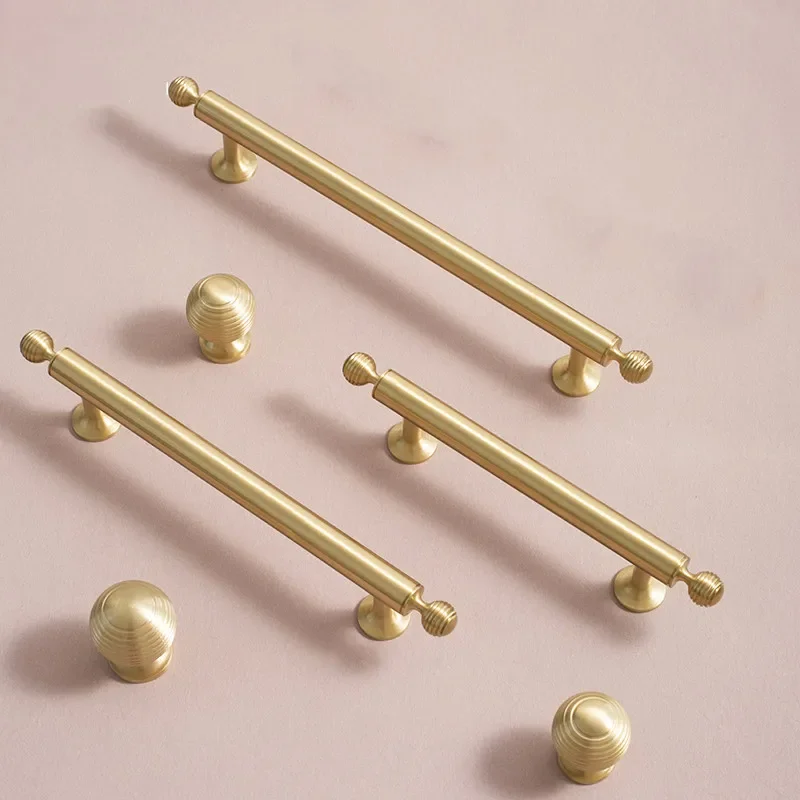
Choosing the right platforms is crucial; I explore specialty online marketplaces, local consignment shops, and social media groups dedicated to home goods. This targeted approach connects me with enthusiasts who appreciate quality decor.
Lastly, I set a reasonable price by researching similar items in the market. Being transparent about the item’s history and pricing establishes trust and encourages a swift transaction.
Steps to Successfully Market Your Pre-Owned Ethan Allen Pieces
List all relevant dimensions and conditions of each item in your description. Accurate measurements help potential buyers gauge whether the piece will fit in their space.
Invest time in taking high-quality photographs from different angles, including close-ups of any imperfections or unique features that highlight craftsmanship.
Select the right platforms for listing your items. Websites dedicated to secondhand goods often attract a more targeted audience interested in quality home pieces.
Offer competitive pricing based on market research. Check similar listings to set a fair price. Be open to negotiation, which might speed up the process.
Highlight any historical or design significance in your ads that may appeal to buyers, confirming the brand’s reputation and reliability.
Provide clear communication to prospective buyers. Be prompt in responding to inquiries and willing to provide additional information when requested.
Consider hosting an in-person viewing event. This allows buyers to see the quality up close, creating a more personal connection to the items.
Be prepared to arrange for delivery or pickup options to accommodate potential buyers’ needs, enhancing convenience for them.
Regularly update your listings if items remain unsold. Adjusting prices or refreshing the description can breathe new life into stagnant ads.
Encourage satisfied buyers to leave positive feedback or reviews. This could establish your reputation as a trustworthy seller for future transactions.
Assessing the Condition of Your Furniture
Inspect every piece thoroughly. Check for scratches, dents, or discoloration that could affect value. Pay special attention to joints; loose or wobbly connections can indicate wear.
Evaluate the upholstery. Look for stains, tears, or fading. If fabric is removable, consider having it professionally cleaned. For leather, assess for cracks or peeling.
Check the finish on wooden items. Notice any signs of bubbling, chipping, or water damage. If necessary, a gentle polish can enhance appearance, but avoid heavy refinishing as it may detract from authenticity.
Review measurements and layout adaptability. Ensure size fits well with conventional spaces, keeping in mind that versatile pieces often attract more buyers.
Test functionality. Open drawers and doors to confirm smooth operation. Ensure that all mechanisms, such as pull-out shelves, work as intended.
Finally, take clear, well-lit photographs highlighting both details and overall pieces. This visual representation should accurately capture condition to set realistic expectations for potential new owners.
Researching Current Market Value
To determine the current market value of my items, I start with online platforms specializing in vintage and pre-owned home decor. Websites like eBay, Craigslist, and Facebook Marketplace allow me to compare prices for similar pieces. I look for listings that reflect the same brand, style, and condition to gain a clearer understanding of potential pricing.
Checking Auction Sites
Auction sites can provide real-time insight into what buyers are willing to pay. I visit sites like Bidsquare and LiveAuctioneers to review past auction results for comparable pieces. This helps me gauge demand and identify price trends among similar commodities.
Consulting Price Guides
Additionally, I consult furniture price guides, either physical books or online resources, that give average market prices for brands like mine. These resources compile data from various sales, making them reliable for establishing a baseline value. I ensure the guides are up to date, as market values can fluctuate significantly over time.
| Source | Information Provided |
|---|---|
| eBay | Current listings & sold prices |
| Craigslist | Local pricing and availability |
| Facebook Marketplace | Community-driven pricing trends |
| Bidsquare | Auction results for sold items |
| Price Guides | Average market values |
By synthesizing data from various sources, I formulate a competitive price range that reflects both the quality and appeal of my items. Balancing this information with the condition of each piece ensures I set a price that attracts buyers while still recognizing the worth of the items being offered.
Choosing the Right Selling Platform
To maximize profit, selecting an appropriate marketplace is vital. I recommend evaluating platforms based on audience reach, fees, and user experience.
Popular Platforms for Selling Premium Items
| Platform | Audience Size | Fee Structure | Best for |
|---|---|---|---|
| Facebook Marketplace | Large, Local | No Fees | Quick Sales |
| Craigslist | Local | No Fees | Direct Communication |
| OfferUp | Large, Local | Variable (3.7% selling fee) | User-Friendly App |
| Chairish | Niche Audience | 20% commission | High-End Items |
| eBay | Global | Variable (depends on listing type) | Bidding and Auction |
Consider where your pieces will be most appreciated. For example, niche sites attract buyers looking for premium styles, increasing your odds of a favorable transaction.
Local vs. Online Options
Local platforms facilitate quicker exchanges, eliminating shipping complexities. Online marketplaces broaden reach, potentially leading to higher evaluations. Balancing these factors based on the item, my goal is to connect with interested buyers effectively.
Writing a Detailed and Accurate Description
In crafting a compelling listing, clarity and precision are paramount. I focus on including specific dimensions–height, width, and depth of each piece. This information helps potential buyers visualize how the item will fit into their space.
Highlight Unique Features
Every piece possesses distinct attributes, whether it’s intricate carvings, a particular finish, or historical provenance. I make sure to highlight these aspects, as they set the item apart from others on the market.
Condition and Maintenance
Transparency regarding the state of the item is essential. I describe any wear, stains, scratches, or previous repairs in detail. Photographs accompany my description to provide visual evidence of the condition, allowing buyers to make informed decisions.
Additional details about care and maintenance history offer valuable insights that may attract conscientious buyers. By following this approach, I create an informative listing that resonates with potential customers.
Taking Professional-Looking Photographs
Utilizing natural light is key. I take photos during the day, positioning the item near a window to capture its true color and details. Avoid shadows by keeping the light source in front of the subject, not behind.
I ensure the space is clutter-free, allowing the piece to stand out. A simple backdrop, like a neutral wall or solid color, works wonders. I often take multiple angles: front, sides, and any unique features or imperfections.
Camera Setup
If using a smartphone, I select the highest resolution in the settings. I avoid zooming in, as it can degrade image quality; instead, I move closer to the item. When using a camera, I adjust settings for optimal focus and depth of field.
Editing the Images
I use basic editing software to enhance the brightness and contrast without distorting the item’s appearance. Cropping helps eliminate any distractions, focusing on the main subject. Finally, I keep a consistent style across all images, contributing to a polished presentation.
Negotiating with Potential Buyers
Be prepared to engage in back-and-forth discussions. I find it beneficial to determine my lowest acceptable price before starting any negotiation. This helps me stay firm and confident throughout the process.
Building Rapport
Creating a connection can significantly impact negotiations. I always aim to be friendly and approachable. I listen actively to the buyer’s comments, which can provide insight into their needs and preferences.
Strategic Price Adjustments
During negotiations, I occasionally offer a slight discount if I sense hesitation. This tactic often encourages buyers to commit, while still keeping my minimum in mind.
- Maintain eye contact to establish trust.
- Share stories or details about the piece to increase its perceived value.
- Remain calm and composed, even if the discussion becomes tense.
If pushback occurs, I resist the urge to immediately lower my price. Instead, I inquire about the buyer’s budget to identify if we can reach a suitable compromise without devaluing the item.
Closing the Deal
Once we agree on a price, I confirm the details, including payment methods and pick-up arrangements. Clear communication at this point helps prevent misunderstandings later on. I always take time to thank the buyer for their interest, reinforcing a positive experience.
Arranging Safe Transportation for Sale
To ensure a smooth transfer, I recommend engaging a reputable moving service that specializes in handling delicate and oversized items. When contacting potential movers, confirm their experience with transporting high-quality goods and inquire about insurance coverage for any damages during transit.
- Get multiple quotes to compare pricing and services.
- Ask about their equipment and methods for safe handling.
- Schedule the transport well in advance to avoid last-minute issues.
Preparation is key. I always measure the dimensions of each piece and the exit paths in both the pick-up and drop-off locations. This helps in assessing whether professional movers will need extra assistance, such as additional manpower or specialized equipment like ramps or dollies.
When discussing logistics with buyers, propose a few transportation options. Offering collaboration with a moving company can streamline the process. Alternatively, I often suggest that buyers arrange their transport if they have a suitable vehicle and helpers available.
- Provide detailed guidance on disassembly, if applicable.
- Offer to assist with packing to ensure items are secure.
- Communicate clearly about pick-up times and any potential delays.
If the item is large, consider offering to meet halfway or delivering it within a reasonable distance for an additional fee. This gesture often garners goodwill and may lead to a quicker agreement.
FAQ:
What are the best platforms to sell used Ethan Allen furniture?
There are several effective platforms for selling used Ethan Allen furniture. Popular online marketplaces include eBay, Facebook Marketplace, and Craigslist, where you can reach a local audience. Additionally, furniture-specific sites like Chairish or AptDeco cater to buyers looking for quality pieces. Social media groups focused on buying and selling furniture can also be helpful. Each option has its own audience, so consider where you’re likely to find interested buyers.
How can I determine the resale value of my Ethan Allen furniture?
To determine the resale value of your Ethan Allen furniture, start by researching similar items online to see their asking prices. Websites like eBay and Chairish can provide insight into what similar pieces are selling for. Factors to consider include the condition of the item, any additional features like upholstery or craftsmanship, and the current market demand. If possible, consult appraisers or antique shops for professional opinions, as they can offer valuable insight into pricing.
What condition should my Ethan Allen furniture be in to sell it?
To maximize your chances of selling Ethan Allen furniture, it should be in good condition. Check for scratches, dents, or any wear and tear that may affect its appearance or functionality. Cleaning the furniture thoroughly and making minor repairs can enhance its appeal. If it’s heavily damaged, consider whether repair costs could exceed the potential selling price. Clear photos showcasing the furniture from various angles and highlighting its best features will further attract buyers.
Is it advisable to deliver the furniture myself or hire a service?
Deciding between delivering the furniture yourself or hiring a delivery service depends on several factors, including the distance to the buyer’s location and the size of the furniture. If the item is large or heavy, or if you’re selling to someone far away, hiring a service can ensure safe transportation. However, if it’s manageable and local, self-delivery can save costs. Be sure to discuss these options with the buyer to determine what works best for both parties.
What tips can help make my Ethan Allen furniture listing more appealing?
To create an appealing listing for your Ethan Allen furniture, start with clear, high-quality photos taken in good lighting. Capture multiple angles and any unique features or details. Write a detailed description that includes dimensions, materials, and any history associated with the piece. Highlight its condition, and consider mentioning any customizations or specialties. An attractive and honest listing will attract more interest and encourage potential buyers to reach out.


