
 Caleb Turner

Begin with a thorough cleaning using a mixture of warm soapy water and a soft-bristled brush to eliminate dirt and grime. This preparation is crucial to reveal any hidden corrosion or peeling paint underneath the debris.
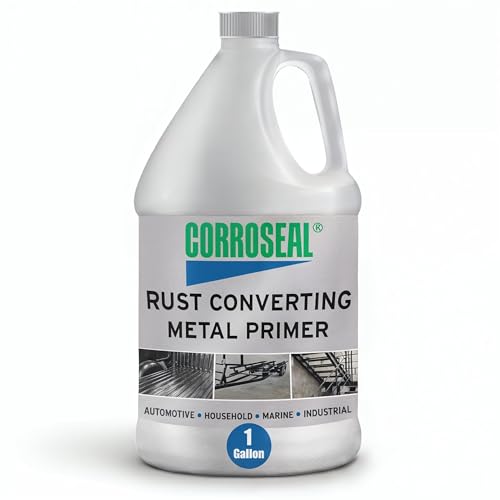
Once clean, inspect the surface for rust spots or damage. For minor rust, utilize fine-grit sandpaper or a wire brush to gently remove the affected areas. If you encounter larger areas of corrosion, consider using a rust converter to halt the progression of deterioration.
After addressing rust, washing again with clear water ensures all residues are gone. I recommend letting the metal dry completely before applying any protective coatings. Choose a high-quality outdoor paint specifically designed for metal finishes, applying it with a spray or brush for even coverage.
To enhance durability, think about applying a sealant or protective wax once the paint has cured. Regular maintenance, such as cleaning and inspecting for new rust, will keep your outdoor pieces looking fresh for many seasons to come.


Restoration of Metal Outdoor Seating
Assess the condition meticulously. Identify rust spots, flaking paint, or structural weakness. Begin by removing old paint using a wire brush or sandpaper, ensuring the surface is smooth. Utilize a rust-inhibiting primer to prevent further corrosion, applying it in thin layers for even coverage.
Finishing Touches
Choose a high-quality outdoor paint specifically designed for metal. Apply at least two coats, allowing adequate drying time between applications. Consider finishing with a clear sealant for added protection against weather elements. Regular maintenance is key–wipe down surfaces seasonally and apply touch-ups to ensure longevity.
Structural Repairs
If you find broken welds or joints, opt for a welder to make necessary repairs. For small cracks, metal epoxy can be effective. Ensure all once-damaged areas are stable before proceeding with painting. Regularly check for any new signs of wear to keep your seating functional and aesthetically pleasing.
Assessing the Condition of Your Furniture
I begin by examining the surface for any signs of damage. Look for rust spots, peeling paint, or areas where the metal has become pitted. Use a wire brush or sandpaper to gently remove any loose rust or paint flakes. This not only helps in identifying the extent of deterioration but also prepares the surface for a thorough cleaning.
Next, I check for structural integrity. I carefully assess joints and welds for cracks or breaks. Testing the stability of legs and supports is essential; if they wobble or creak, reinforcement may be necessary. Ensuring that the piece is safe and sturdy is a priority before proceeding to any restoration steps.
Pay attention to any cushioning or fabric elements attached. If present, inspect them for tears, fading, or mildew. Decide whether to replace or repair these components, as they contribute to the overall aesthetic and comfort.
Finally, I consider the original style and finish. Take note of the colors and patterns. Capturing the essence of the initial design will guide me when selecting paint or stain products to bring back its appeal.
Cleaning Techniques for Wrought Iron
Begin with a dry brush to remove loose dirt and debris. A soft-bristle brush works well for this task, as it prevents scratching the surface.
For stubborn grime, create a mixture of mild soap and warm water. Use a sponge or cloth to apply this solution, focusing on heavily soiled areas. Rinse with clean water to avoid soap residue, which can attract dirt.
Consider using a commercial cleaner specifically formulated for metal surfaces. Always follow the manufacturer’s instructions for application.
When facing rust, a paste made from baking soda and water can be effective. Apply it to affected areas, let it sit for several minutes, then scrub gently with a non-abrasive brush. Rinse thoroughly afterward.
For intricate designs, a toothbrush can be invaluable. It fits into tight spaces to remove dirt and grime that larger brushes might miss.
After cleaning, dry the surface completely to prevent moisture buildup. A soft, lint-free cloth works best. This step is crucial to inhibit future rust formation.
Regular maintenance is key. I recommend checking for signs of wear and tear biannually and cleaning debris off surfaces after storms or heavy winds to prolong the life of the metal. Keeping the finish intact contributes significantly to the durability of your pieces.
Removing Rust and Corrosion
For tackling rust and corrosion, I opt for a practical approach using commonly available materials. A wire brush serves as my primary tool, effectively scraping away loose and flaking rust. Ensuring I’m thorough helps prevent further deterioration.
Next, I apply a solution of white vinegar or lemon juice for stubborn spots. Their acidity reacts with the rust, making it easier to wipe away with a cloth. After a thorough application, I let it sit for at least 30 minutes before scrubbing again.
- For heavy corrosion, I may use a commercial rust remover. I follow the manufacturer’s instructions for safety and application.
- After treating the metal, it’s important to rinse with water to remove any residue, ensuring I don’t leave any acid behind.
- I dry the surface immediately to prevent new rust from forming.
In cases of severe deterioration, I consider sanding the surface with fine-grit sandpaper, followed by a water rinse. This method ensures I reach hard-to-get spots and remove every bit of rust.
Finally, I apply a coat of rust-inhibiting primer once the surface is clean and dry. This adds a protective layer against future corrosion and enhances the longevity of the metal structure.
Applying Primer and Paint Properly
For best results, always begin with a high-quality primer specifically designed for metal surfaces. Using a primer ensures better adhesion and prevents rust from forming beneath your paint layer. I prefer using an aerosol primer for even coverage. Shake the can thoroughly before application.
Application Steps
Hold the can about 6-12 inches from the surface and spray in light, even coats. I usually apply 2-3 thin layers of primer, allowing adequate drying time between applications (as stated by the manufacturer). After the final coat dries, lightly sand it with fine-grit sandpaper for a smoother finish.
Choosing the Right Paint
Select a paint that is suitable for metal and has rust-inhibiting properties. I opt for enamel paint for its durability and gloss finish. Similar to the primer, spray in thin layers for an even coat. After the first layer dries, inspect for any imperfections and sand lightly if necessary before applying a second layer.
| Type of Coating | Best Use | Drying Time |
|---|---|---|
| Metal Primer | Base layer for metal | 30 minutes to 1 hour |
| Enamel Paint | Protective and decorative finish | 1-2 hours for each coat |
Finally, ensure the environment is suitable–moderate temperatures and low humidity yield the best results. I avoid painting during windy or rainy conditions to prevent dust or moisture from compromising the finish.
Updating Cushions and Fabrics
Replace old cushions with high-quality outdoor fabrics for durability and comfort. Look for materials like solution-dyed acrylics that resist fading and mildew. Measure existing cushions to ensure a proper fit when purchasing new ones.
Consider using a waterproof barrier–such as a sealable liner–inside the cushion to extend their lifespan. Select colors and patterns that complement the refurbished metal pieces, adding a fresh look to your space.
If the existing cushions are still usable but lack vibrancy, re-covering them can save money. Choose a strong, outdoor-rated fabric; use a staple gun to secure the new covering tightly over the foam. Make sure to sew or fold excess fabric neatly to avoid fraying.
For a cohesive appearance, incorporate coordinating throw pillows. While they enhance comfort, they also allow you to easily change styles seasonally. Look for weather-resistant materials for these as well.
Lastly, store cushions in a dry, sheltered place during inclement weather to prevent damage and prolong their life. Having a cushion storage solution nearby can make that process more convenient.
Preventive Measures for Longevity
I recommend applying a protective sealant every few years to shield against moisture and rust. A good quality wax or specialized spray can create a barrier that repels water and prevents corrosion.
Storing items indoors during harsh weather will significantly extend their life. If indoor storage isn’t feasible, invest in durable, weather-resistant covers to guard against rain and sun exposure.
Regular inspections are key. I check for signs of wear or damage, addressing any issues promptly to prevent further deterioration. Tighten loose screws and bolts, ensuring all components remain secure.
A designated cleaning schedule is beneficial. I use mild soap and water to clean surfaces regularly, avoiding harsh chemicals that might damage the finish.
Whenever possible, avoid placing items directly on grass or soil. Elevated surfaces prevent moisture buildup that can lead to rust formation.
Consider strategic placement in shaded areas or under pergolas. This minimizes direct sunlight exposure, reducing fading and deterioration of both the metal and any fabric components.
Finding Professional Help When Needed
If at any point I feel overwhelmed by the task at hand, I don’t hesitate to seek assistance from experts in restoration. This choice can save time and ensure high-quality results. I look for professionals who specialize in metal work or antique furniture to get proper evaluation and service. An initial consultation often reveals whether they can repair severe damage or if a more thorough restoration is necessary.
Checking reviews and asking for recommendations is vital. I focus on those who have handled similar projects or who work specifically with metal items. A good craftsman provides references and showcases previous work. I also inquire about their process to understand what methods they employ to return the pieces to their original condition.
Before engaging anyone, I consider the financial aspects. I request a detailed quote, covering labor and materials, so I can assess costs realistically. Moreover, I always clarify timelines to manage expectations for completion.
Finally, maintaining open communication throughout the project allows me to stay informed about progress and make decisions on the spot when unexpected issues arise. This collaborative approach not only eases my concerns but also fosters a positive experience and end result.


