
 Caleb Turner

Mix equal parts of white vinegar and olive oil to tackle damp discolorations on your cherished pieces. Apply this solution with a soft cloth, rubbing gently in the direction of the grain. This method not only cleans but also nourishes the natural finish of the surface.
For persistent marks, a paste of baking soda and water can be your best ally. Gently apply the paste using a cloth, then wipe clean with a damp cloth. This mild abrasive works wonders without damaging the finish.
If you have access to a hairdryer, use it on a low setting to gently heat the affected area. Hold the dryer a few inches away from the surface, and keep it moving to avoid overheating any one spot. This can help lift the moisture trapped beneath the finish.
Lastly, always consider applying a protective coat of wax or polish after successfully treating the marks. This creates a barrier against future damage and helps maintain the wood’s beauty.

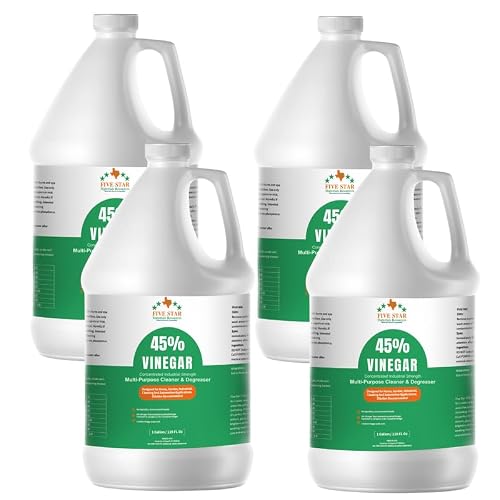

Techniques for Dealing with Liquid Marks on Wooden Surfaces
I found that applying a mixture of equal parts vinegar and olive oil can effectively clear unsightly marks. The procedure is straightforward: use a soft cloth to gently rub the solution into the affected area, following the wood grain. This not only aids in lifting the marks but also nourishes the surface.
Alternative Methods
- Utilizing toothpaste is another handy option. A non-gel variant works best; apply a small amount on a cloth and softly rub it into the blemish. Wipe clean with a damp cloth afterward.
- Baking soda mixed with water to form a paste can also assist. Gently massage it onto the affected spot, then clean with a damp cloth to remove residue.
Precautionary Measures
Always test these solutions on an inconspicuous area first to ensure compatibility with the finish. After treatment, buff the area with a clean, dry cloth to restore shine. Regular maintenance can prevent future marks, ensuring the beauty of your surfaces remains intact.
Identify the Type of Water Stain
Observation is key in determining the nature of the discoloration. Different characteristics signal various underlying issues. Start by examining the appearance, texture, and color.
| Stain Type | Description | Identification Method |
|---|---|---|
| White Rings | Soft marks indicating moisture trapped under the finish. | Rub your finger across; if it feels smooth, it’s likely a finish issue. |
| Brown Spots | Deeper penetration suggesting a more significant problem, possibly from liquid spills. | Look for edges; if they blur and the surface feels rough, further action is needed. |
| Dark Stains | Serious damage indicating mold or rot, often requiring more intensive intervention. | Inspect for softness or flaking; this could imply structural harm. |
Each type requires tailored responses, so precise identification lays the groundwork for effective treatment. Acting on these specifics ensures a more favorable outcome.
Gather Necessary Cleaning Supplies
Collecting the right items is critical for tackling the problem effectively. Here’s what I recommend:
- Soft microfiber cloths: These prevent scratching and help absorb moisture without leaving residue.
- White vinegar: A natural remedy that can help break down the marks without damaging finishes.
- Olive oil: This can be mixed with vinegar for added nourishment and shine to the surfaces.
- Baking soda: A mild abrasive that can assist in lifting the marks without harming the finish.
- Toothpaste (non-gel): Often effective for mild cases, as it gently polishes the area.
- Wood polish or wax: Applying this after treatment can protect the surface and restore its luster.
- Application tools: Cotton balls or soft sponges make for great applicators for the cleaning mixtures.
Additional Items
- Rubber gloves: Keep hands protected from harsh substances.
- Small bowls: Useful for mixing cleaning solutions.
- Protective coverings: To safeguard surrounding areas from drips or splashes.
As I gather these supplies, I’m ensuring I have everything necessary to effectively treat the issue at hand without any complications. Being prepared streamlines the process and boosts confidence in achieving the best outcome.
Test Cleaning Solution on a Hidden Area
Before applying any cleaning mixture, I always find a discreet section of the piece. This spot should be less visible, such as the underside of a drawer or behind a leg. I never want to risk damaging the main surface.
After locating the hidden area, I apply a small amount of the cleaning solution directly onto a soft cloth or cotton ball. I then dab the mixture onto the selected spot, allowing it to settle for a few minutes. My goal is to observe how the finish reacts without affecting the overall appearance.
After waiting, I gently wipe the area clean with a dry cloth. If the finish remains intact, and there’s no discoloration or damage, I proceed with confidence to treat the visible areas. However, if any adverse reactions occur, I switch to a milder solution or adjust my approach based on the results.
This step helps prevent unintended consequences and ensures the integrity of the surface is maintained throughout the cleaning process.
Use Clear Olive Oil and Vinegar Mixture
I recommend mixing equal parts of clear olive oil and white vinegar in a small bowl. This combination acts as a natural remedy to rejuvenate surfaces. The olive oil nourishes the material, while vinegar helps in breaking down the discoloration caused by moisture.
Application Process
Take a clean, soft cloth and dip it into the mixture. Wring it out so it’s damp but not dripping. Gently rub the affected areas in a circular motion, allowing the mixture to penetrate. Be sure to focus on the discolored patches without applying excessive pressure.
Finishing Touch
After working the solution into the surface, wipe off any excess with a separate dry cloth. This prevents oil buildup and enhances the shine. Allow the surface to air dry completely before using it again. This simple method can restore the beauty of your items while protecting them from future damage.
Apply Baking Soda Paste for Stubborn Stains
I mix three parts of baking soda with one part water to create a thick paste. This mixture is gentle yet effective for tackling tough marks. I carefully apply this paste onto the affected area using a soft cloth, rubbing it in gently with circular motions.
I let the paste sit for about 10 to 15 minutes to allow it to penetrate deeply into the blemish. Afterward, I dampen another clean cloth with warm water and wipe away the paste. Lastly, I dry the surface thoroughly and assess whether the mark has lifted. If needed, I repeat the process until the blemish is gone.
Additional Tips
If I’m dealing with particularly stubborn marks, I sometimes add a few drops of vinegar to the baking soda mixture. This combination enhances the cleaning power without harming the surface.
After the stain’s removal, I always finish by applying a suitable wood polish or conditioner to restore the shine and protect the surface from future damage.
Utilize Hair Dryer for Quick Recovery
A hair dryer can be a practical tool for addressing those unsightly marks. Set the device to a low heat setting to prevent damaging the finish. Hold it about six inches away from the affected area, moving it in a circular motion for even heat distribution. This will help to evaporate any trapped moisture.
Technique Steps
Begin by ensuring that the surface is clean and dry before applying heat. Focus on the most noticeable area, keeping the dryer in motion to avoid overheating a single spot. Monitor the surface closely; as the appearance changes, you will often see the marks fading away.
Once the marks diminish, let the area cool naturally. After this, consider applying a small amount of furniture polish to restore shine and protect the surface. This method is quick and effective for minor cases.
Precautions
Be cautious not to use high temperatures, as this could warp the finish or damage the material underneath. It’s advisable to test the heat on a less visible area to ensure no adverse effects occur.
Consider Using Commercial Wood Furniture Polish
Applying a high-quality commercial polish can effectively enhance the appearance of your surfaces. First, I select a polish specifically designed for wooden surfaces, ensuring it contains nourishing oils. This helps restore lost moisture and shine.
Before using, I always check the label for compatibility with my specific wood type. Following the manufacturer’s instructions, I apply a moderate amount onto a soft cloth. Evenly spreading it allows for better absorption and an improved finish.
After applying the polish, I buff the area gently in circular motions. This technique helps to bring out the luster while also blending the treated surface with the surrounding area. With proper application, I notice an immediate improvement in the look and feel of my furniture.
For long-lasting results, I incorporate this step into my regular maintenance routine. Regular polishing not only covers minor imperfections but also creates a protective barrier, making future marks easier to manage.
Prevent Future Water Damage on Wood Surfaces
To shield your wooden items from moisture, I recommend placing coasters under beverages. This simple step minimizes direct contact and absorbs any spills before they can penetrate the surface.
For areas prone to humidity, consider using a dehumidifier. Maintaining optimal humidity levels, ideally between 30-50%, is beneficial in preventing excess moisture from damaging the finish.
Apply a protective layer of wax periodically. This not only enhances the appearance but provides a barrier against moisture. Choose a high-quality paste wax and buff it in to achieve a smooth finish.
Ensure quick cleanup of spills immediately. Wiping them with a soft, absorbent cloth prevents deep penetration into the wood, preserving its integrity.
Limit exposure to direct sunlight. Use curtains or blinds to shield your furniture from harsh rays, as UV light can degrade finishes and lead to discoloration.
Lastly, consider routine maintenance checks. Inspecting for signs of wear and tear allows for timely interventions, ensuring your wooden articles remain in excellent condition for years to come.
FAQ:
What are some common methods to remove water stains from wood furniture?
There are several effective methods to tackle water stains on wood. One common approach is to use a mixture of equal parts vinegar and olive oil. Apply it to the stained area with a soft cloth, rubbing gently in the direction of the wood grain. Another popular method involves using mayonnaise. Spread a small amount over the stain and let it sit for a few hours before wiping it off. Additionally, a paste made from baking soda and water can be gently rubbed on the stain. It’s important to test any method on a small, inconspicuous area first to ensure it doesn’t damage the finish.
How can heat be used to remove water stains from furniture?
Heat can be an effective way to eliminate water stains from wood. One common technique involves placing a clean, dry cloth over the stain and using a warm iron on a low setting. The heat helps to evaporate the moisture trapped within the wood fibers. It’s crucial to keep the iron moving to prevent burning the wood. Alternatively, a hair dryer set on a low or medium setting can be used in a similar manner. Always keep the heat source at a safe distance to avoid damaging the finish of the furniture.
Are there any products specifically designed to remove stains from wood furniture?
Yes, there are various commercial products formulated for removing water stains from wood furniture. Look for wood cleaners or furniture polish that claim to tackle stains. Some products contain ingredients like beeswax or oils that not only remove stains but also restore the wood’s natural luster. Always follow the manufacturer’s instructions and test the product on a hidden area of the furniture first to ensure compatibility with the finish.
Is it necessary to refinish wood furniture after removing water stains?
Refinishing may not always be necessary after removing water stains, especially if the methods used were successful and the wood appears undamaged. However, if the stain left discoloration or the finish has been compromised, a light refinishing may be required. This typically involves sanding the affected area gently and applying a matching stain or clear finish. If you’re uncertain, consulting a furniture restoration expert can help determine the best course of action.
What precautions should I take when trying to remove water stains from wood furniture?
When attempting to remove water stains, it’s important to do a few things to protect your furniture. Always test any cleaning solution or technique on a small, hidden area first to check for adverse reactions. Use soft cloths to avoid scratching the wood, and be cautious with heat to prevent burns. If the furniture has an antique finish or is of significant value, seeking professional advice before applying any methods is wise to preserve its integrity.


