
 Caleb Turner

The first step I take is gathering materials: a soft cloth, olive oil, white vinegar, and a few common kitchen ingredients. Mixing equal parts of olive oil and vinegar creates a simple solution that nourishes the fibers while minimizing blemishes.
Once I’ve prepared the mixture, I apply it gently with the cloth, rubbing in the direction of the grain. This method helps to blend imperfections into the surrounding area, significantly reducing their visibility. I always use a light touch and avoid over-saturating the wood, which can lead to water damage.
For deeper marks, I turn to baking soda or a fine paste of walnut with water. This natural approach works wonders on lighter tones. I test it in an inconspicuous spot first, ensuring no adverse effects on the finish. With patience and care, I can often restore the luster of my cherished pieces without the need for professional help.


Addressing Minor Blemishes on Wooden Surfaces
I prefer to utilize a combination of natural oils and a soft cloth for quick fixes. A mixture of equal parts vinegar and olive oil applied gently can effectively conceal minor imperfections. Using a circular motion helps to blend the solution into the finish, creating a more uniform appearance.
An alternative method involves scratching a walnut along the affected area. The natural oils in the nut fill in small indentations and leave a pleasing sheen. I find this particularly effective on darker woods.
For deeper marks, I use a fine-grade sandpaper sparingly, ensuring not to disrupt the surrounding finish. Sanding in the direction of the grain minimizes visible differences. I always follow up with a touch of furniture polish to restore luster.
If further treatment is necessary, considering beeswax can provide a more durable solution. Rubbing a small amount onto the blemish not only masks but also nourishes the surface, making it a go-to option for long-term care.
Lastly, for painted or lacquered pieces, a dab of matching paint or repair kit offers a straightforward way to disguise visible flaws. Applying with a fine brush ensures precision, and blending carefully with the surrounding area yields the best results.
Identify the Type of Scratch on Wood
First, examine the affected area under good lighting to determine the nature of the imperfection. If it feels rough, it’s likely a shallow abrasions that may be addressed with simple polishing methods. If the discoloration is visible, the damage could be deeper, indicating that a stain or finish is compromised. Occasionally, marks can appear as white lines, suggesting moisture has infiltrated the finish. In such cases, gentle heat could help restore the sheen.
Next, assess the depth. For marks that don’t catch your fingernail when you run your finger over them, basic buffing or application of a restorative product may suffice. However, if your nail catches, this signifies a more serious issue requiring specialized treatment. For deeper blemishes, a sanding approach may be unavoidable, but take care to match the finish afterward.
Lastly, consider the wood type. Different species react uniquely to repair methods, with some being more forgiving than others. Treat oak or maple with care, as they may show repairs more readily than softer woods. Knowing the material will guide you in selecting an appropriate approach for rejuvenation.
Gather Necessary Materials for Scratch Repair
For this undertaking, I collect specific items that will facilitate the restoration process. First, I ensure I have a microfiber cloth, which is ideal for cleaning without causing additional harm. Next, I prepare fine-grit sandpaper, usually around 220-grit, as it allows for gentle abrasion without deepening the imperfection.
Additionally, I keep wood filler handy, particularly if the mark has penetrated the finish. This substance comes in various shades, so I choose one that closely matches the original surface. A suitable stain or finish is also important for blending the repaired area with the surrounding finish once the filler has dried.
| Material | Purpose |
|---|---|
| Microfiber Cloth | Cleaning the surface before treatment |
| Fine-Grit Sandpaper (220-grit) | Smoothening the area surrounding the defect |
| Wood Filler | Filling in deeper imperfections |
| Wood Stain or Finish | Blending repairs with existing surface |
Lastly, I keep a small brush or spatula for applying filler and a clean rag to wipe away excess materials. With these supplies at hand, I’m ready to tackle the task at hand effectively.
Apply Household Remedies for Minor Imperfections
I often turn to common household items to tackle minor blemishes on my wooden surfaces. Here are some effective solutions that I’ve found useful:
Olive Oil and Vinegar
A mix of olive oil and vinegar works wonders. Combine equal parts of both in a small bowl. Use a soft cloth to apply the mixture gently to the area, rubbing it with the grain. Wipe off any excess with a clean cloth.
Mayonnaise
Mayonnaise is another unconventional yet effective remedy. Directly apply a small amount to the affected area and let it sit for a few hours or overnight. Wipe away with a soft cloth, and the natural oils help to rejuvenate the finish.
Nuts for Tones
Walnuts can effectively mask light marks. Simply rub the meat of the nut over the area, using circular motions, and the natural oils will help conceal minor flaws.
Leather Conditioner
A leather conditioner can also restore luster. Apply a small dab onto a soft cloth and rub gently over the area. This can enhance the shine and reduce the appearance of imperfections.
Baking Soda Paste
For stubborn spots, a paste made from baking soda and water can be handy. Mix until it achieves a paste-like consistency, apply it to the mark using a soft cloth, and gently rub before wiping away with a damp cloth.
Toothpaste Trick
Regular white toothpaste (not gel) can help as well. Apply a small amount to a soft cloth and rub gently over the defect in a circular motion. Wipe clean with a damp cloth for a smooth finish.
Always test any remedy on an inconspicuous area first to ensure it doesn’t affect the finish adversely. Regular maintenance can keep surfaces looking their best.
Use Wood Fillers for Deeper Imperfections
For significant blemishes, I recommend using wood fillers. Choose a product that matches the hue of your surface for a seamless repair. Start by cleaning the area to eliminate dust and debris.
Once the surface is prepared, apply the wood filler into the damaged section using a putty knife. Ensure I overfill slightly for a perfect fit after sanding. Allow the filler to dry as per the manufacturer’s instructions, which usually takes a couple of hours.
Sanding and Finishing Touches
After the filler has cured, I gently sand the area with fine-grit sandpaper until it is flush with the surrounding area. Wipe away any dust with a damp cloth. Next, to restore the finish, I may apply a matching stain or sealant, paying attention to blend it well with the existing surface.
Final Inspection
Finally, I inspect the repair for color consistency and texture. If necessary, I can repeat the process until I achieve the desired look. This method not only conceals the damage but also revitalizes the overall appearance of my treasured piece.
Sand and Refinish: When to Consider It
If you notice significant damage affecting deeper layers of your décor, consider sanding and refinishing. This approach restores the original look and protects against further deterioration.
Assess the following conditions to decide on this method:
- Extensive Markings: Many shallow imperfections remain despite various remedies, indicating that a deeper restoration is required.
- Color Fading: Discoloration resulting from sun exposure or wear signals the need for refinishing.
- Uneven Texture: Areas that feel rough or inconsistent to the touch can benefit from sanding. This ensures a uniform surface.
- Finish Peeling: An aged or damaged coat can peel or chip off, impairing the aesthetics of the piece.
- Inconsistent Sheen: If the luster varies across surfaces, refinishing can help restore a cohesive look.
After confirming one or more of these signs, gather appropriate tools: a sander, sandpaper of varying grits, stain, and a topcoat finish. Follow these steps:
- Remove any hardware and clean the piece thoroughly. Dust and debris can affect the new finish.
- Sand down the entire surface, starting with coarse grit to eliminate damage, then progressing to finer grits for smoothness.
- After sanding, wipe to remove dust and apply stain, if desired, to restore color.
- Finish with a protective coat, allowing sufficient drying time, and reattach any hardware once fully cured.
This process not only enhances aesthetic appeal but also prolongs the longevity of your pieces.
Prevent Future Scratches on Wooden Surfaces
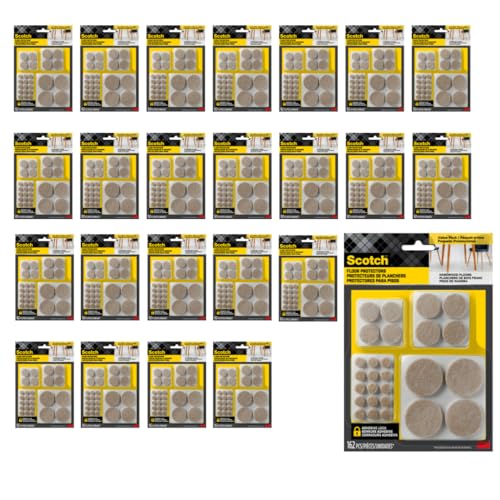
Applying felt pads under decorative items and furniture legs can significantly reduce the risk of marks. I often use adhesive felt pads for this purpose, as they create a protective barrier between the item and the surface.
Regular dusting with a soft cloth is crucial. I prefer microfiber cloths, as they effectively capture dirt without scratching. For deeper cleaning, a damp cloth combined with a mild soap works wonders, ensuring I dry the surface immediately afterwards to prevent moisture damage.
Consider Environmental Factors
Direct sunlight can cause fading and weaken finishes. Utilizing curtains or blinds strategically can shield the pieces while allowing natural light in. I also make sure to maintain optimal humidity levels in the room to avoid excessive drying or warping.
Avoiding sharp objects near my furniture, such as keys or tools, is a simple yet effective practice. In high-traffic areas, I position items thoughtfully to minimize the chances of accidental bumps or abrasions.
Regular Maintenance Practices
Applying a high-quality wax or polish periodically helps protect the surface and enhances its sheen. I generally select products that are specifically designed for the type of finish on my items. Following the manufacturer’s instructions ensures I get the best results without damaging the finish.
Finally, keeping a consistent maintenance schedule helps me stay on top of any minor issues before they escalate. A quick inspection once a month can identify potential problems early on, allowing for swift and easy resolutions.
FAQ:
How can I remove light scratches from my wooden furniture without damaging the finish?
For light scratches, you can use a walnut to gently rub over the scratch. The natural oils in the walnut can help to blend the scratch into the surrounding wood. Simply take a shelled walnut and rub it along the scratch in the direction of the grain. Afterward, buff the area with a soft cloth to restore the shine. This method is non-invasive and can help disguise the scratch effectively.
Are there specific products I should use to treat deeper scratches on wood furniture?
For deeper scratches, products like wood fillers or scratch repair pens can be very effective. Wood filler, which comes in various colors, can be applied to fill the scratch. After it dries, sand the area lightly to ensure a smooth finish. Scratch repair pens are especially convenient as they contain a color-matched solution that can be painted directly onto the scratch. Make sure to follow the instructions on the product for the best results.
What homemade solutions can I try for removing scratches from wood surfaces?
Homemade solutions for removing scratches include a mixture of olive oil and vinegar. Combine equal parts of both, apply the mixture on a soft cloth, and rub gently over the scratched area. This can help nourish the wood while making the scratch less noticeable. Another option is to use mayonnaise, which can be rubbed into the scratch and left for a few hours before wiping off; it can help condition the wood and reduce the visibility of the scratch.
How can I prevent future scratches on my wooden furniture?
To prevent future scratches, consider placing coasters under drinks and using placemats for hot dishes. Additionally, avoid dragging objects across the surface; instead, lift them when moving. Regularly polishing your furniture can create a protective layer, and using felt pads under furniture legs can minimize the risk of scratches from moving pieces. Keeping furniture away from high-traffic areas or using rugs can also help protect the wood.
Is there a safe method for polishing my wooden furniture after removing scratches?
Once you’ve treated any scratches, you can polish your wooden furniture using a gentle furniture polish or a homemade solution like a mix of olive oil and lemon juice. Apply a small amount to a soft cloth and rub it into the wood in the direction of the grain. This will enhance the shine and provide a layer of protection. Be sure not to over-apply the polish, as too much can create a sticky residue.
What are some methods to remove scratches from wood furniture?
There are several methods to remove scratches from wood furniture. One common approach is to use a walnut or a similar nut. Simply rub the meat of the nut directly onto the scratch; the natural oils help to blend the scratch with the surrounding wood. Another option is to mix equal parts of vinegar and olive oil to create a homemade solution. Apply it with a soft cloth, rubbing in the direction of the wood grain. For deeper scratches, you might use a wood filler that closely matches the furniture’s color. After applying the filler and allowing it to dry, sand it lightly and finish with a clear coat to protect the area.
How can I prevent future scratches on my wood furniture?
To prevent future scratches on your wood furniture, there are several practices you can adopt. First, consider using coasters under drinks and placemats under objects to protect the surface. Regular cleaning with a soft cloth will help avoid the accumulation of dust and dirt, which can cause scratching over time. Additionally, placing felt pads under items such as vases or lamps can create a buffer and reduce the risk of scratches. Finally, avoid dragging objects across the surface; lift them instead to maintain the integrity of the finish and wood.


