
 Caleb Turner
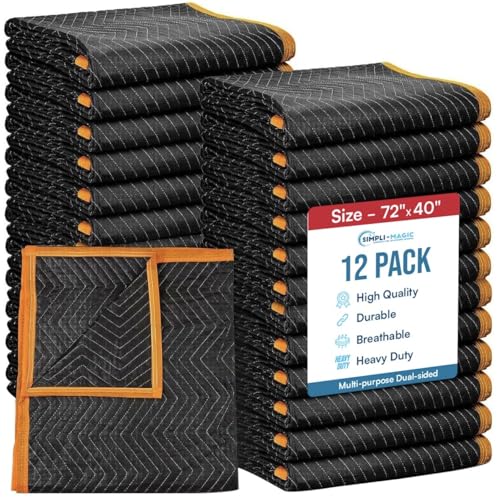
I recommend wrapping each item in a protective layer using bubble wrap or moving blankets. This approach prevents scratches and dents caused by shifting during transportation or slight movements within the designated space. Ensure delicate surfaces, such as glass or lacquer, are particularly cushioned to avoid any damage.
Utilizing sturdy boxes and containers is key to maintaining the integrity of your valuables. Opt for containers that are strong enough to withstand pressure and stacking. Label each box clearly to facilitate easy access and organization, reducing the chances of unnecessary handling.
Controlling the environment within the chosen space contributes significantly to preserving the condition of your possessions. Invest in a dehumidifier to maintain optimal moisture levels and prevent mold growth, especially for upholstery. Routine inspection of the climate can ensure your items remain safe from extreme temperature fluctuations.
Finally, consider strategic positioning within the area. Store heavier pieces at the bottom to create a stable foundation and place lighter or more delicate items on top. This arrangement minimizes the risk of crushing and maximizes available space efficiently.


Securing Valuables in a Rental Space
I recommend utilizing high-quality moving blankets to shield items from dust and minor scratches. These blankets, often found at moving supply stores, offer excellent cushioning and cover. Wrap individual pieces thoroughly and secure with packing tape to ensure they stay in place.
Climate Considerations
Controlling temperature and humidity levels is key. Opt for a climate-controlled facility if possible. It helps to keep temperatures stable and reduces moisture that could lead to mold or warping. If a climate-controlled option isn’t available, consider using silica gel packs within containers to absorb excess moisture.
Organization and Positioning
Careful arrangement matters greatly. Place heavier items at the bottom and lighter ones on top to avoid compression damage. Use sturdy pallets or crates to elevate items off the floor and facilitate air circulation. Keep frequently accessed pieces near the entrance for convenience.
- Group similar items together.
- Avoid stacking too high to prevent tipping over.
- Ensure nothing obstructs pathways; this can help you avoid accidental bumps.
Frequent checks can be beneficial. I suggest visiting the facility periodically to assess the condition of the items and adjust based on any changes in the environment. Regular maintenance can save time and resources in the long run.
Choose the Right Storage Unit Size
Assess your items carefully. I always recommend making a detailed list of everything I plan to store. This helps in estimating the volume of space required. For smaller possessions, a 5×5 or 5×10 space is often sufficient, while a larger collection might need a 10×10 or 10×20 area.
Consider Accessibility
It’s essential to factor in how often I’ll need access to my belongings. If frequent retrieval is necessary, choosing a larger area not only provides more space but also allows for a more organized arrangement. Open pathways make access easier and prevent damage by avoiding the stacking of items.
Future Needs
I always think about potential future storage requirements. If I foresee acquiring more items, opting for a slightly larger space can save time and hassle down the line. An extra couple of feet can make a significant difference in flexibility.
Clean and Prepare Items Before Storing
I begin by thoroughly cleaning each piece to remove dust, grime, and any stains. For wooden surfaces, I use a soft cloth and a suitable wood cleaner, ensuring all residues are eliminated. Upholstered chairs and sofas benefit from a vacuum to extract debris and allergens.
Next, I check for any signs of damage or wear. Addressing issues like scratches or tears at this stage helps prevent further deterioration during their time in confinement.
Once clean, I make sure everything is completely dry. Any moisture can lead to mold or mildew development, especially in a confined environment. For leather items, a specialized conditioner is applied to keep the material supple and prevent cracking.
Disassembling larger structures like tables and bed frames is crucial for optimizing space. I retain screws and small parts in labeled bags.
To prevent scratching or damage during transport, I wrap corners in bubble wrap or packing paper. For all surfaces, I use breathable fabric covers instead of plastic to allow airflow while keeping dust at bay.
Ensuring that items are properly prepped and cleaned creates an optimal setting for long-term preservation, minimizing potential damages while in confinement.
Use Proper Packing Materials
Investing in high-quality packing materials is non-negotiable for safeguarding items during transit. Choose durable bubble wrap to cushion surfaces and protect against scratches. It’s ideal for delicate finishes and intricate designs.
Utilize Cardboard and Plastic Wrap
Utilize corrugated cardboard boxes to store smaller pieces and accessories. Make sure to label boxes clearly for easy identification. For larger items, like tables or sofas, consider heavy-duty plastic wrap. This material not only protects from dust but also keeps components together and prevents movement during transportation.
Keep Surfaces Covered
Employ moving blankets or furniture pads on larger objects to avoid direct contact with other surfaces and minimize potential damage. Secure them with straps or packing tape. Avoid using newspapers directly on wood surfaces, as ink can transfer, so opt for acid-free paper instead.
Disassemble Large Furniture for Space Saving
To maximize space, I always take apart larger items like beds, tables, and cabinets. Carefully removing legs from tables or disassembling bed frames allows for easier transportation and stacking.
I make it a point to keep all screws, bolts, and smaller components in labeled bags. This ensures that I can easily reassemble everything without missing pieces.
Using a power drill or screwdriver, I methodically disassemble pieces, ensuring not to damage any parts. I take photos of the assembled furniture before starting, which serves as a helpful guide during reassembly.
Once disassembled, I wrap separate components in bubble wrap or moving blankets for added protection against scratches and dents. This organizational approach also helps in reducing wasted space within the selected container.
For larger items that can’t be fully taken apart, like sofas with removable cushions, I always take off any detachable sections. This tiny step can significantly improve fit and protection during transit.
By making the effort to dismantle larger articles, I find not only does it conserve room, but also ensures a smoother experience when it comes time to retrieve them.
Utilize Furniture Covers and Blankets
Using specialized covers and thick blankets is key for safeguarding surfaces and preventing scratches or dents. Opt for materials that offer cushioning and moisture resistance.
Here are specific recommendations:
- Choose covers made of breathable fabric to allow airflow, which reduces condensation buildup.
- Wrap each piece individually, focusing on corners and edges, as these are more susceptible to damage.
- For upholstered items, use a layer of padding beneath the cover to enhance protection against spills and stains.
- Secure covers with straps or tape to prevent them from shifting during transport.
Pay attention to the type of blanket or cover used; heavy-duty moving blankets are particularly effective due to their thickness and durability. Reinforcing this with additional layers can provide extra cushioning.
Label each covered item to streamline the retrieval process later. This organization helps avoid unnecessary unwrapping of items that may not be needed immediately.
Protect Against Moisture and Pests
I recommend using moisture absorbers such as silica gel packets or specific desiccants inside boxes to minimize humidity. Placing these items strategically throughout the space helps maintain a stable environment. Additionally, placing wood pallets beneath items creates airflow, reducing direct contact with surfaces that may retain moisture.
Sealing and Inspection
Encapsulate boxes and items in plastic wrap or airtight containers. This prevents moisture from infiltrating your possessions. Regularly inspect the area for any signs of leakage or dampness. If you notice any issue, address it immediately by relocating your belongings to a dryer spot.
Pest Deterrents
To keep insects and rodents away, consider natural repellents like cedar chips or essential oils such as peppermint, which are known for their effectiveness. Regularly check for nests or droppings and seal any openings that may allow access. Glue traps can be used to monitor pest activity without harmful chemicals.
Organize Furniture for Easy Access
Prioritize accessibility by positioning larger items at the back and smaller pieces at the front. This arrangement allows me to reach frequently used belongings without having to move everything around.
Label boxes and bins clearly to identify contents quickly. Using a consistent naming convention helps locate specific items without confusion.
For stable stacking, I ensure that heavier pieces are placed below lighter ones. This prevents potential damage from toppling and makes retrieval simpler.
| Item Type | Recommended Position |
|---|---|
| Large Sofa | Back |
| Dining Chairs | Front |
| Coffee Table | Middle |
| Bed Frame | Back |
| Side Tables | Front |
Utilize vertical space by stacking items, but avoid overloading to maintain safety and stability. Consider variety in box sizes to accommodate different shapes and ensure maximum use of space.
Keep a simple layout in mind, creating clear pathways between items. This setup makes it easier to access items without risking damage to adjacent pieces.
Avoid Direct Contact with the Floor and Walls
Elevating items off the ground prevents damage from moisture and dirt accumulation. I recommend using pallets or shelves to create space between the items and the surfaces of the storage area. This practice not only maintains cleanliness but also promotes airflow, reducing the chance of mold and mildew.
Utilize these strategies:
- Place wooden pallets underneath larger pieces to avoid moisture absorption from the floor.
- Install shelves or stacking racks to keep smaller items off the ground, ensuring easy access and visibility.
- Use furniture risers or blocks under legs to create additional clearance, especially for upholstered items, which are prone to absorb ground moisture.
Avoid leaning items directly against the walls. Instead, create a slight gap to allow ventilation, enabling any trapped moisture to escape. Secure heavy pieces in a stable manner to avoid tipping or contact with wall surfaces that could cause scratches or damage.
Regularly Inspect the Storage Unit
Perform periodic visits to the rental space. I schedule checks every month to assess conditions firsthand and ensure nothing amiss has occurred. During these inspections, I look for signs of moisture, dirt, or pests.
What to Look For
Key aspects to examine include:
| Inspection Item | What to Observe |
|---|---|
| Humidity Levels | Look for condensation on walls or containers that may indicate excess moisture. |
| Pests | Check corners and crevices for signs of insects or vermin, such as droppings or nests. |
| Temperature | Ensure the environment doesn’t fluctuate dramatically, as this can harm items. |
| Cleanliness | Verify the area remains clean and free of debris that could attract pests. |
| Safety | Observe any potential hazards, including unstable shelving or exposed wires. |
Taking Action
If any issues arise, address them immediately. For instance, if moisture is discovered, take steps to dehumidify the area. If pests are present, consult with professionals to eliminate the issue before it escalates.
Revisiting the site is not just about spotting problems; it’s a proactive measure to maintain an optimal environment for preserving your belongings. Regular inspections can help extend the lifespan of items stored away, enhancing their readiness for use when needed.


