
 Caleb Turner
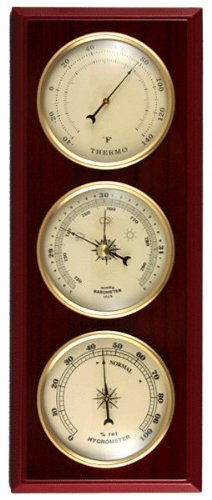
Regular dusting with a soft, lint-free cloth is a fundamental practice that I consistently employ to maintain my cherished pieces. This simple act prevents the accumulation of dirt and grime, which can gradually erode the finish and harm the surface of the timber.
Applying a high-quality wax, specifically designed for polished surfaces, provides an additional layer of protection. I find this method not only enhances the sheen but also creates a barrier against moisture and other potential damaging elements. Ensure to follow the manufacturer’s instructions carefully for optimal results.
Placement is crucial; I always avoid direct sunlight, as exposure can lead to fading and warping. Instead, positioning these pieces in shaded areas benefits the timber’s integrity. Additionally, monitoring the humidity levels in the environment helps in preserving the overall condition. Keeping the humidity between 40% and 60% is something I strive for.



In case of spills, acting swiftly is vital. Using a soft cloth to blot, rather than wipe, minimizes the risk of deeper absorption. This careful approach helps retain the finish and prevents unsightly water stains.
How to Protect Antique Wood Furniture
Utilize a humidifier to maintain optimal moisture levels in the environment, preventing cracks and warping. I check humidity regularly, aiming for a range of 40-60%. This helps create a stable atmosphere around my cherished pieces.
Apply a quality wax or polish every six months to create a protective barrier against dust and scratches. I prefer natural beeswax formulations, which enrich the surface without harming the finish.
Keep pieces away from direct sunlight and heat sources. I place my prized items in shaded areas and adjust my thermostat to avoid temperature fluctuations. Sudden changes can lead to deterioration over time.
Use felt pads or coasters under objects placed on surfaces. This simple practice prevents scratches and minimizes the risk of moisture rings caused by spills.
Conduct regular inspections for pests such as termites or wood-boring beetles. I stay vigilant, looking for signs of infestation and taking immediate action if I suspect any damage.
Avoid using all-purpose cleaners or chemical sprays that may strip the finish. I opt for a damp microfiber cloth for regular cleaning, ensuring no products contain harsh ingredients.
Store items in a climate-controlled environment if possible. I keep my historical pieces in a space that avoids significant temperature swings, promoting longevity and stability.
Consider professional restoration when necessary. I consult skilled artisans who specialize in vintage items, ensuring that any repairs complement and enhance the original design without compromising integrity.
Understanding the Unique Needs of Antique Wood
It’s imperative to recognize that vintage timber comprises a variety of delicate characteristics that require tailored care. First off, moisture levels play a critical role; maintaining consistent humidity is vital. The ideal range is between 40-60%, preventing warping and cracking. Invest in a hygrometer to monitor conditions accurately.
Temperature fluctuations can be detrimental. Sudden changes can cause expansion or contraction. Keeping the ambient temperature stable, ideally around 70°F (21°C), helps preserve the integrity of the material.
Direct sunlight poses another threat, as UV rays can fade finishes and damage grains. Utilizing window treatments or positioning items away from direct light assists in mitigating this risk. It’s also wise to rotate pieces periodically for balanced exposure.
Cleaning routines should be gentle. A soft, dry cloth is sufficient for dusting. For deeper cleaning, use a moist cloth with a drop of mild soap, avoiding harsh chemicals that could strip finishes. After cleaning, applying a specialized wax or oil, tailored for vintage pieces, enhances luster while providing a protective layer.
Addressing scratches and minor imperfections should be done with care. Use a touch-up marker matching the finish color or a combination of beeswax and dye for subtle repairs. Always test any substance on a hidden area first to gauge reaction.
| Temperature (°F) | Humidity (%) | Cleaning Method |
|---|---|---|
| 70 | 40-60 | Soft, dry cloth; damp cloth with mild soap |
Lastly, regular inspections reveal issues early on. Look for signs of insect damage or fading finishes during these checks. Being proactive in these areas ensures longevity and preserves the beauty of treasured items.
Choosing the Right Cleaning Products for Antique Furniture
I prioritize using non-abrasive, natural cleaners to maintain the integrity of unique pieces. Products with harsh chemicals can strip finishes and damage surfaces, so I lean towards pH-balanced options or mild soap mixed with water.
Preferred Ingredients
I opt for ingredients like olive oil or beeswax, which condition while providing polish. Additionally, a solution made with equal parts vinegar and water acts as a gentle disinfectant without compromising the finish.
Application Techniques
When cleaning, I use soft microfiber cloths to avoid scratches. I dampen the cloth with the chosen cleaning solution and gently wipe surfaces, ensuring no excess moisture remains to prevent warping or damaging joints. For intricate carvings, a soft-bristle brush is invaluable for removing dirt without causing harm.
Techniques for Preventing Damage from Sunlight and Humidity
Employ UV-filtering window treatments. Installing specialized shades or films can significantly reduce the intensity of sunlight that reaches delicate surfaces, preventing fading and discoloration.
Humidity Control Methods
Utilize a dehumidifier in areas where vintage items are displayed. Maintaining a consistent humidity level between 40-60% can minimize the risks of warping and cracking.
Regularly check for moisture levels with hygrometers. This will allow timely adjustments to your environment, ensuring your treasures remain stable and intact.
Placement Considerations
- Position items away from direct sunlight. Consider using curtains or blinds to shield them during peak sunlight hours.
- Avoid placing valuable pieces against exterior walls, which can be colder or warmer than interior environments, leading to stress on the material.
Employ moisture-absorbing materials in the storage area. Products like silica gel packets can help regulate humidity levels, especially in enclosed spaces.
- Rotate display items regularly to ensure even exposure to light and minimize the risk of uneven fading.
- Consider using protective covers on particularly hot days to safeguard against excessive sunlight.
Applying Appropriate Wax and Oils for Surface Protection
Using a high-quality wax or oil specifically designed for aged materials is crucial for maintaining the integrity of these items. I recommend applying a natural beeswax or carnauba wax, which provides a protective barrier while allowing the surface to breathe. Apply the wax using a soft, lint-free cloth in small, circular motions, ensuring even coverage. Let it sit for about 15 minutes before buffing with a clean cloth to achieve a polished finish.
For oils, I prefer using products containing tung oil or linseed oil. These options penetrate deeply, nourishing the structure and enhancing the natural grain. Use a clean cloth to apply, focusing on one section at a time. Allow the oil to soak for at least 30 minutes before wiping off any excess. Repeat this process every few months to maintain vitality.
Integrating a combination of wax and oil can provide maximum benefits. Start with the oil treatment to rejuvenate the material, followed by waxing for added protection. This layered approach offers both enhancement and safeguarding against environmental elements.
Restoration Tips for Minor Scratches and Dents
To address minor imperfections, I recommend using a walnut or a similar nut to gently rub over the scratches. The natural oils and pigments in the nut will often blend with the finish, reducing their visibility.
Simple Home Remedies
A mixture of olive oil and vinegar can serve as a quick fix. Combine equal parts of both and apply with a soft cloth, buffing in the direction of the grain. This not only helps in concealing marks but also nourishes the surface.
Professional Products
If I encounter deeper scratches, I opt for a touch-up marker or a filler that closely matches the finish. After applying, I use fine sandpaper to smooth the area and ensure a seamless blend. Follow up with a coat of wax for a protective layer.
For dents, a steam treatment can work wonders. I place a damp cloth over the dent and use a hot iron briefly to create steam. The moisture can help the wood fibers swell and fill the indentation. Ensure the cloth is not too wet to avoid damage.
In case of any significant restoration, consulting with an expert may be prudent. Preserving the integrity of the item is paramount. Regular maintenance keeps your pieces looking timeless.
Managing Pest Threats to Preserve Antique Wood
Regularly inspect for signs of infestations, such as small holes, tunnels, or insect debris. If you detect any pest activity, act immediately. Treating affected pieces with an appropriate insecticidal solution can contain the problem. Ensure you choose products formulated for historical objects, as traditional pesticides may damage the finish.
Environmental Controls
Maintain stable temperature and humidity levels. Fluctuations can invite unwanted critters. A dehumidifier may be beneficial in damp climates, while air conditioning can help in warmer areas. Monitor conditions using hygrometers for the best results.
Preventive Measures
Seal potential entry points by inspecting frames, joints, and other vulnerable areas. Use fine mesh screens on windows and proper sealing around doors to deter pests. When moving these items, be cautious of surroundings that may harbor pests, such as basements and attics.
Consider consulting a pest control professional experienced with historic entities for preventative treatments. Regular maintenance and surveillance are key to keeping critters at bay. By staying vigilant and proactive, the lifespan of cherished pieces will be significantly enhanced.


