
 Caleb Turner
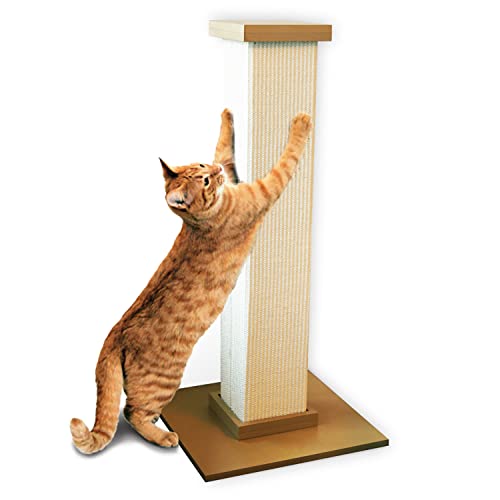
Providing a designated scratching post is a first step I found highly beneficial. Choosing one that is tall and sturdy can capture your pet’s interest and divert its attention from the couch or chairs. Enhance the post with attractive elements like catnip or sisal to make it even more appealing.
Utilizing furniture covers is another practical solution. These protective layers can shield your items from unwanted claw marks while also giving a new aesthetic to your living space. Durable and washable options make maintaining a tidy environment easier.


As a further measure, I recommend employing deterrents. Safe sprays or double-sided tape applied to surfaces of interest make them unappealing for scratching. This simple tactic can teach furry companions to rethink their chosen spots.
Engaging in interactive playtime routines also helps direct their energy positively. Using toys that promote activity can divert attention from destructible areas while forging a stronger bond between the two of us.
Understanding Your Cat’s Scratching Behavior
Recognizing the reasons behind a feline’s instinct to scratch is paramount. Scratching serves various needs: it strengthens their claws, marks territory through scent glands, and allows for stretching and exercise. I recommend observing their behavior closely to identify the triggers for these activities.
Common Motivations for Scratching
| Motivation | Behavior Characteristics |
|---|---|
| Claw Maintenance | Cats often scratch to remove dead outer layers of their claws, ensuring healthy growth. |
| Territory Marking | Felines possess scent glands in their paws that release pheromones, marking their space. |
| Stretching and Exercise | Scratching facilitates muscle stretching, promoting physical well-being. |
| Stress Relief | During stressful situations, engaging in scratching provides an emotional outlet. |
Creating an Engaging Environment
To accommodate their natural tendencies, I suggest providing various scratching surfaces like sisal, carpet, or cardboard. Observing which textures they favor can guide appropriate selections. Placing scratching posts near areas they frequent encourages their use and diverts attention from other surfaces.
Understanding these behaviors allows for a more harmonious living arrangement while catering to a cat’s innate instincts.
Selecting Appropriate Scratching Posts
Focus on height and stability. Tall scratching posts encourage stretching and give a satisfying outlet for your feline’s instinctual needs. Ensure the post is sturdy; it shouldn’t wobble or tip over during use, as this can deter your companion from using it. Aim for a height of at least 30 inches to accommodate larger breeds.
Material Matters
Options vary from sisal, carpet, to cardboard. Sisal is particularly durable and offers the right texture for claw maintenance. Carpeted posts may feel cozy but can become less effective if not cleaned regularly. A cardboard option can be appealing as well, providing a different texture for variety.
Placement Considerations
Position scratching posts where your pet spends most time. Areas near windows or your favorite seating can attract attention. If space allows, set up multiple posts in different styles to cater to your pet’s preferences and habits.
Using Furniture Covers and Protectors
Investing in high-quality covers can be an immediate solution to safeguard upholstery. Look for options made from durable, stain-resistant materials that can withstand wear. Choosing slipcovers that fit snugly helps maintain aesthetics while protecting against scratches and fur.
Additionally, specialized protectors, like adhesive films or furniture guards, provide a barrier without altering the appearance. These can be easily applied to vulnerable surfaces, preventing damage while allowing for easy removal when needed.
Choosing the Right Material
Opt for materials such as microfiber, canvas, or synthetic blends that repel hair and resist stains. These fabrics are easier to clean, often machine washable, which simplifies maintenance. For wooden items, consider transparent protective coatings to safeguard against claws.
Regular Maintenance
Regular cleaning of covers not only maintains hygiene but also prolongs their life. Vacuuming or using lint rollers helps to remove any accumulated fur, while promptly addressing stains will ensure that items stay in top condition. With consistent upkeep, these protective measures can significantly extend the life of your furnishings.
Employing Deterrents and Repellents
Utilizing specific deterrents can significantly reduce unwanted scratching behaviors. Various options are available that target different aspects of feline behavior.
Types of Deterrents
- Scents: Cats are often discouraged by certain odors. Citrus, vinegar, and essential oils like lavender can keep them away from designated areas.
- Textures: Surfaces like double-sided tape or aluminum foil can create an unpleasant scratching experience, making favored spots less appealing.
- Noise Makers: Devices that produce sudden noises when triggered can startle pets and deter them from specific locations.
Applying Repellents
Repellents can also be a useful tool. Products designed for this purpose are available in pet stores, providing safe options to discourage undesirable actions.
- Choose a pet-safe repellent spray.
- Apply it consistently on targeted surfaces.
- Observe how your furry friend reacts and adjust application as needed.
Being consistent with these methods will assist in steering away your feline companion from damaging cherished possessions. Remember to regularly reassess their effectiveness and make adjustments accordingly.
Training Your Feline to Use Designated Areas
Introduce a scratching post or pad early on. I found that placing it close to the areas where my pet likes to scratch can redirect their attention effectively. Observing your pet’s preferences helps in choosing the right material and style, whether vertical or horizontal.
Use Positive Reinforcement
Each time your furry friend uses the designated area, immediately offer praise or a small treat. This reinforces the idea that scratching in the right spot is desirable behavior. I make it a point to celebrate these moments to strengthen the association.
Create an Appealing Environment
Enhance the surrounding space with enticing elements such as catnip or toys nearby to draw your pet toward the scratching post. I noticed that integrating these features kept my companion engaged with the correct areas and away from my favorite chair.
Be patient and consistent in training. If my pet strays to undesired areas, a gentle redirection back to the post, combined with praise for compliance, often yields the best results over time. Tracking progress also helps in fine-tuning strategies that work for your specific situation.
Providing Alternative Outlets for Energy
Engaging in playtime with stimulating toys significantly helps redirect focus and energy. Interactive toys, like feather wands or laser pointers, encourage movement and satisfy natural hunting instincts. Rotate toys regularly to maintain interest.
Consider incorporating climbing shelves or cat trees, offering vertical space for exploration and exercise. These structures not only entertain but also provide a safe environment to scratch and climb.
Structured Play Sessions
Dedicate consistent time to active play, aiming for at least 15 minutes each day. This routine not only keeps a companion active but also strengthens the bond between us. Use different types of toys and activities to keep things fresh.
Environmental Enrichment
Add puzzle feeders or food-dispensing toys to mealtime, transforming eating into a stimulating challenge. This encourages mental engagement and reduces boredom, minimizing undesirable behaviors linked to excess energy.
Regular Nail Trimming Techniques
Trimming my feline’s claws regularly keeps their nails manageable. I aim for a schedule of every 2-4 weeks. Here’s how I approach the process:
Preparation
- Gather tools: sharp nail clippers specifically designed for pets, a file or grinder, and treats for positive reinforcement.
- Select a quiet area free of distractions. This helps keep the environment calm for both of us.
Trimming Process
- Start by gently holding my companion’s paw, pressed comfortably against my hand.
- Examine the nail closely. I look for the quick–the pinkish area within the nail. Avoid cutting into it to prevent bleeding.
- Clip the tip of the nail at a slight angle, removing only a small section. If unsure, I prefer to trim less than risk cutting too far.
- File any sharp edges afterward to smooth the nail surface.
- Reward my pet with a treat or affection after each paw, keeping the experience positive.
If my companion resists, I take breaks, not forcing the process. Gradually, they become more accustomed to regular nail care.
Creating a Cat-Friendly Environment
Introduce vertical spaces such as shelves or cat trees. This allows your feline to explore and climb, satisfying their natural instincts while steering them away from your belongings.
Incorporating Soft Surfaces
Opt for a range of soft materials, like plush rugs or dedicated cat beds, where your pet can lounge comfortably. Consider placing these items strategically near their favorite scratching posts.
Interactive Zones
Establish areas for play with toys that encourage engagement like feather wands, laser pointers, or puzzle feeders. Rotate these items regularly to maintain interest and provide new challenges. This acts as an outlet for excess energy that might otherwise be directed towards your decor.
Utilize scented elements such as catnip or calming sprays in specific areas to create appealing environments that attract your pet away from restricted zones.


