
 Caleb Turner

Preparation is key. Cleaning the surface thoroughly with soap and water removes dust and grease. For tougher stains, a mild abrasive cleaner can help. Allow it to dry completely before moving on.
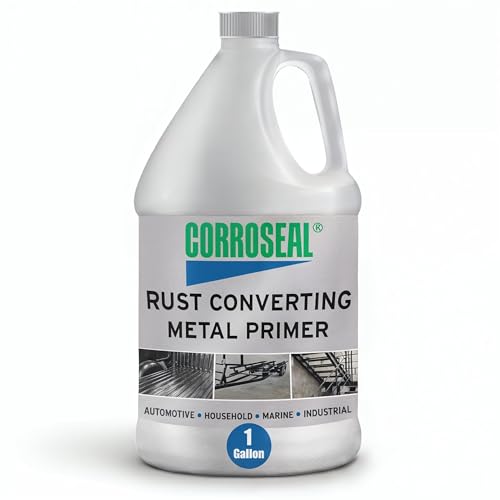
Select the right primer for the material. A bonding primer specifically designed for plastics or laminate ensures the paint adheres properly. Apply a thin and even coat using a high-quality brush or foam roller.
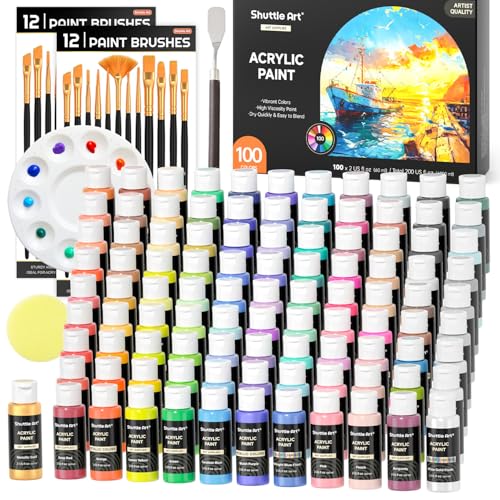
After the primer has dried, choose a paint that is compatible with the surface. Acrylic latex paint works well for most synthetic items. Use light strokes to create a smooth finish and avoid drips. Two coats will provide better durability and color coverage.

Finally, allow the piece to cure for several days before heavy use. This ensures that the finish hardens and lasts longer. These steps will breathe new life into your synthetic items, transforming them into stylish and personalized pieces.
Prepping and Applying Coatings
Begin with a thorough cleaning. I use a mixture of warm water and mild detergent to remove dirt and grease. Rinse well and let it dry completely. Surface imperfections can be fixed with fine-grit sandpaper, ensuring a smooth finish afterward. Wipe away dust with a damp cloth.
Choosing the Right Coating
Select a product suitable for the material. For plastics, a spray designed specifically for this type is ideal. For metal and fiberglass, opt for a primer followed by a quality topcoat. Reading labels helps in finding products that adhere well without peeling or fading.
Application Techniques
I prefer using a spray can for even coverage, maintaining a distance of about 12 inches. Keep the can in constant motion to avoid drips. Thin, multiple layers yield better results than a single thick coat. I allow adequate drying time between applications, as indicated on the product instructions.
After the final coat has dried, I often apply a clear sealant for added protection, especially in high-use areas. This step enhances durability and gives a polished look.
Choosing the Right Type of Paint for Non Wood Surfaces
The choice of coating depends heavily on the surface material. For metals, I prefer using acrylic enamel or oil-based options, as they provide excellent adhesion and durability. A good primer designed for metal can further enhance the finish and resist rust.
For plastic items, I opt for special spray paints formulated specifically for plastics. These types adhere well and provide a smooth finish without chipping. A light sanding prior to application can improve adhesion significantly.
Consider the Finish
The finish is equally important; satin or semi-gloss options work best for delivering a durable surface that can withstand wear and tear. Gloss finishes are suitable for achieving a sleek, modern look, while matte finishes can mute imperfections.
Test Samples
Always test products on a small area to monitor compatibility and appearance. I prepare a sample swatch, allowing me to visualize the final effect. This step is crucial and saves time and resources later.
Preparing the Surface: Cleaning and Sanding Techniques
Begin with a thorough cleaning of the item using a mixture of mild soap and warm water. A sponge or soft cloth works well to remove dust, grease, and grime. Rinse with clean water and let it dry completely before proceeding.
For surfaces that feel slick or glossy, it’s vital to create a good grip for the next steps. Use a fine-grit sandpaper, between 120 and 220 grit, to lightly scuff the surface. This will enhance adhesion without causing deep scratches. Sand in a circular motion and pay attention to corners and edges for even texture.
If there are any imperfections like scratches or dents, fill them with a suitable filler or putty. Once it sets, sand again gently to ensure a smooth finish. Wipe down the area with a damp cloth to eliminate dust particles, which can interfere with the application process.
For plastic or metal surfaces, consider using a primer specifically designed for those materials. This step is critical as it helps the final coat bond better. Always follow the manufacturer’s recommendations for drying times before applying additional layers.
These steps are designed to prepare the surface so that the final result is smooth, durable, and visually appealing.
Selecting Tools for a Smooth Experience
To achieve a flawless finish, I prefer using high-quality brushes and rollers designed for specific surfaces. Synthetic bristle brushes work best for most finishes, as they hold paint well and allow for smooth application. For larger areas, a foam roller can cover space quickly while minimizing texture.
Using a paint sprayer can save time and provide an even coat, especially on intricate designs or larger pieces. I always select a sprayer with adjustable pressure settings for better control.
Don’t overlook drop cloths and painter’s tape. These protect surrounding areas and create clean lines. I opt for a low-tack tape to avoid damaging surfaces during removal.
A quality paint tray ensures an efficient loading process. I often choose disposable liners for easier cleanup. It’s also wise to have a variety of sanding blocks and a vacuum handy to ensure the surface remains smooth after preparation.
Finally, having a good set of gloves and a mask is essential for protecting hands and respiratory health during the application process. Selecting the right tools contributes significantly to the overall satisfaction with the project.
Applying Primers: When and Why It’s Necessary
I always reach for a primer when preparing synthetic surfaces. These bases enhance adhesion, ensuring the subsequent layers bond effectively. Using a primer creates a smoother finish and prevents peeling or chipping over time.
For plastic and metal, using a specific primer prevents issues like gloss or sheen from affecting the final coat. It seals surfaces, creating a uniform texture that improves the appearance of the top layer.
Determining the Right Moment
If the item has a glossy finish, priming is wise. Glossy materials resist new coatings and can lead to an uneven finish. I apply a primer in such cases to create a better surface for adhesion.
Additionally, when changing the color dramatically, a primer can save time and reduce the number of top coats needed. Choosing a tinted primer that closely matches the desired shade can enhance the final look and minimize the need for multiple applications.
Choosing the Correct Type of Primer
Selecting the right primer is equally as important. For plastics, look for a bonding primer designed explicitly for such surfaces. For metal, a rust-inhibiting formula extends the life of the finish. Always check product labels to confirm compatibility with the surface you’re working on.
Ultimately, applying primer may seem like an extra step, but the benefits of durability and finish quality are well worth the effort. I consider it an indispensable part of my preparation process every time.
Step-by-Step Guide to Painting Non Wood Furniture
Choose a well-ventilated area to work; this enhances drying time and minimizes inhalation of fumes. Start by gathering all necessary materials including your chosen coating, brushes, and drop cloths.
1. Clean the Surface: Use a solution of warm water and mild soap to remove dirt and grease. Rinse thoroughly with clean water and let it dry completely.
2. Sand if Necessary: Lightly sand the surface with fine-grit sandpaper if it feels glossy. This helps the coating adhere better. Wipe away dust using a damp cloth.
3. Apply Primer: If the item is made of a slick material or requires a color change, a suitable primer is essential. Use a foam roller or brush for an even application, allowing adequate drying time as indicated on the label.
4. First Layer of Coating: Start applying your chosen finish with smooth, even strokes. Thin layers work best; avoid heavy applications to prevent drips. Allow this coat to dry completely.
5. Lightly Sand Between Coats: After the first coat is dry, lightly sand the surface again. This step ensures better adhesion of subsequent layers.
6. Additional Coats: Apply a second coat after the previous one dries, repeating the sanding process as before. Depending on your desired finish, a third coat may be necessary.
7. Final Drying: Allow the piece to cure in a dust-free environment for several days before use. This ensures durability and prevents damage to the finish.
Follow these precise steps for a stunning transformation of your item, achieving a professional appearance while enhancing its longevity.
Tips for Achieving a Professional Finish
Ensure you select high-quality tools. Invest in quality brushes and rollers that minimize streaks and facilitate an even application.
Consider using a spray gun for a flawless look. This method helps in achieving thin and uniform layers on intricate designs or larger surfaces.
Work in thin layers. Applying several light coats rather than one thick layer prevents drips and enhances the overall appearance.
Allow adequate drying time between each layer to avoid smudging. This is crucial for achieving a smooth finish without imperfections.
Sand lightly between coats. This promotes better adhesion and a smoother surface, resulting in a more professional and polished effect.
Choose the right sheen level based on the intended use. Glossy finishes are durable and easy to clean, while matte finishes offer a softer look.
Maintain a consistent environment by controlling humidity and temperature. Ideal conditions promote optimal drying and curing, minimizing flaws.
After the final coat, consider applying a clear topcoat for added protection. This enhances durability and gives a refined look to the surface.
Regularly clean your tools to prolong their lifespan and maintain performance. Proper maintenance ensures better outcomes in future projects.
Sealing and Protecting the Finished Surface
After applying the color finish, it’s crucial to shield the surface from wear and tear. I recommend using either a clear coat or a sealer tailored for the specific material.
Types of Sealers
Various sealers are available, including polyurethane, varnish, wax, and shellac. Here’s a comparison:
| Sealer Type | Durability | Finish | Ease of Application |
|---|---|---|---|
| Polyurethane | High | Gloss or Matte | Moderate |
| Varnish | Medium | Gloss | Moderate |
| Wax | Low | Satin | Easy |
| Shellac | Medium | Easy |
Application Tips
Before applying, ensure the surface is completely dry. Use a high-quality brush or foam applicator for even distribution. For best results, apply multiple thin layers, allowing each to dry thoroughly. Lightly sand between coats with fine-grit sandpaper to enhance adhesion.
After the final layer, let it cure as recommended by the manufacturer. This process will improve resistance to scratches and moisture, helping your work maintain its aesthetic appeal over time.
Common Mistakes to Avoid When Painting Non-Wood Furniture
Avoid rushing the cleaning process. Thoroughly remove dust and grease from surfaces to ensure effective adhesion of the finishing layer. A clean surface is key to preventing peeling later on.
Neglecting primer is another common error. Many surfaces, especially plastics or metals, require a base layer to enhance bond and prevent stains from bleeding through. Skipping this step can ruin the final look.
- Choosing the wrong type of coating can lead to poor results. Always select formulas designed specifically for the surface type.
- Using improper tools may create uneven coverage and texture. Invest in high-quality brushes and rollers suitable for smooth surfaces.
- Ignoring environmental factors such as temperature and humidity can impact drying times and finish quality. Always check the recommended conditions on the paint can.
Applying too thick a coat causes drips and uneven surfaces. Thin, even layers will dry more uniformly and allow for better control over the final appearance.
- Skipping the sanding process can result in a rough texture. Lightly scuffing the surface improves adhesion and results in a smoother finish.
- Failing to allow sufficient drying time between layers can lead to smudging and imperfections. Patience is crucial for achieving a flawless outcome.
Finally, not sealing the painted surface compromises longevity. A durable clear topcoat protects the finish from scratches and fading over time.


