
 Caleb Turner
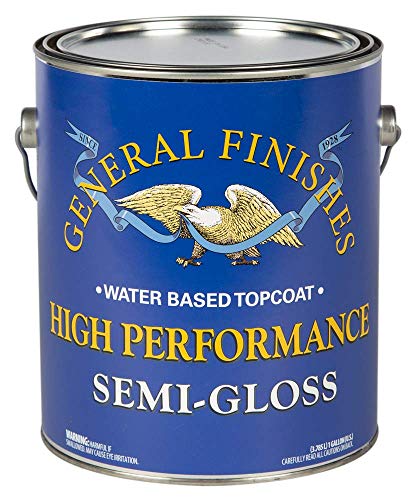
Choose a high-quality primer designed specifically for synthetic materials; this is crucial for the success of your project. I recommend using a stain-blocking primer to ensure ample adhesion and longevity of the finish. Apply it evenly with a brush or roller, focusing on edges and crevices to create a solid foundation.
Once the primer dries completely, select a top coat that embodies the characteristics of timber. An acrylic or water-based finish replicates the texture and sheen effectively. For a more authentic appearance, consider a multi-layer technique using different shades of brown or beige, mimicking the natural color variations found in real grains.
Experiment with special tools like a foam stamp or a wood-grain tool to impart realistic patterns on the surface. This adds depth and authenticity, transporting artificial structures into the realm of nature-inspired design. After applying each layer, allow adequate drying time to enhance durability and facilitate a smoother application.
Transforming Surfaces into a Wood-like Finish
Choosing a high-quality bonding primer is vital; it ensures that subsequent layers adhere effectively to the surface. I always opt for a primer specifically aimed at slick surfaces. After thoroughly preparing the area, applying the primer with a foam roller yields the best results.
Creating the Natural Texture
For achieving an authentic appearance, I recommend using a textured sponge or a faux wood graining tool. Dip the tool lightly into a darker stain or glaze and gently drag it across the base layer. This method not only replicates the natural grain patterns but also adds depth to the coated layers.


Finishing Touches
A final seal is essential to protect the newly transformed surfaces. I prefer a matte or satin finish spray topcoat, which provides durability while maintaining a sophisticated look. Be sure to apply several thin layers, allowing adequate drying time between applications for the best outcome.
Choosing the Right Paint for Laminate Surfaces
I recommend selecting high-quality, specially formulated coatings for non-porous materials. Look for options labeled as suitable for plastic or synthetic surfaces to ensure proper adhesion and durability. A polyurethane or acrylic-based option might serve well, providing a robust finish that mimics the appearance of natural timber.
Base Coat Selection
For a realistic effect, start with a base coat that closely resembles the undertones of the desired grain. Choose shades that reflect the warmth or coolness of your target wood type. Test small areas for color accuracy before full application.
Topcoat Consideration
An appropriate top layer will enhance and protect the finish. Consider a semi-gloss or satin option; these finishes not only replicate the sheen of wood but also add extra durability against wear. Ensure that the topcoat is compatible with your base layer for optimal results.
After making your selections, thorough surface preparation remains critical. Clean, degloss, and prime properly to achieve a long-lasting and attractive appearance. Always follow the manufacturer’s guidance for the best outcome.
Preparing Your Laminate Furniture for Painting
Begin with thorough cleaning. Use a mixture of warm water and mild detergent to scrub down the surfaces, removing dirt, grease, and any residues. This step ensures the new finish adheres properly. A lint-free cloth is ideal for drying the surfaces to prevent streaks.
Sanding for Better Adhesion
Next, lightly sand the surfaces using fine-grit sandpaper (220-grit works well). Focus on areas that will be painted, creating a rough texture. This enhances the bonding between the primer and the underlying finish. After sanding, wipe down the surfaces with a damp cloth to eliminate dust particles and ensure a clean base for subsequent layers.
Applying Primer
Choose a suitable primer designed for glossy surfaces. Apply a thin coat evenly across the areas prepared. Primer not only aids in adhesion but also helps in eliminating any differences in color or sheen between the original surface and the topcoat. Allow the primer to dry completely according to the manufacturer’s instructions before moving on to the next step.
Applying Primer for Better Adhesion
Before moving to color application, I recommend using a high-quality primer designed for slick surfaces. This step significantly enhances grip and keeps the finish intact over time. Select an acrylic-based primer for flexibility and ease of use, ensuring it dries quickly and doesn’t emit strong odors.
First, clean the surface thoroughly to remove dust, dirt, and grease–this is fundamental for good adhesion. I typically use a mixture of warm water and mild soap, rinsing well afterward. Once dry, I apply a thin coat of primer using a foam roller for a smooth application. This not only prevents brush marks but also allows for even distribution.
It’s important to allow the primer sufficient time to cure; usually, 24 hours is ideal. I prefer to lightly sand the primed surface with fine-grit sandpaper after it’s dried. This creates a bit of texture, further promoting the bond with the subsequent layers. Before applying the top coat, ensure to wipe off the dust with a clean cloth or tack cloth for a pristine surface.
By incorporating this primer application, I consistently achieve a professional-looking finish that mimics natural timber. Each step prepares the surface best, enabling the final coloration to adhere effectively and last longer.
Techniques for Achieving a Wood-Like Finish
For a realistic appearance resembling timber, I recommend employing a layering technique. Begin with a base coat in a dark brown hue to mimic the richness of natural wood. Allow it to dry thoroughly before proceeding.
Brushing Techniques
Using a natural-bristle brush can yield the best results. I apply the lighter shades using a dry brush technique, where I lightly dip the bristles in paint and gently stroke it across the surface. This method creates streaks that replicate wood grain. Pay attention to the direction of your strokes, following the grain patterns you wish to emulate.
Sponging and Rag Rolling
Sponging is effective for adding texture. Dampen a sponge and dip it lightly into a contrasting color, then dab it onto the surface. This technique will add depth. Alternatively, for a smoother finish, rag rolling can be applied after the base coat for a seamless blend. Use an old cotton rag to roll on lighter colors, which will also enhance the wood-like effect.
| Technique | Description |
|---|---|
| Dry Brush | Utilize a brush with minimal paint to create fine lines resembling wood grain. |
| Sponging | Apply a damp sponge with contrasting colors to generate texture. |
| Rag Rolling | Use a rag to roll on lighter shades, achieving a soft gradient. |
After layering techniques, seal the finish with a clear coat. This enhances durability while further mimicking the sheen of wood surfaces. Patience and precision are key to achieving the desired look.
Sealing and Protecting the Painted Surface
To ensure long-lasting results, sealing the coated layer is vital. I recommend waiting at least 24 hours after the last coat dries before applying a protective finish.
Here are the steps I follow for sealing:
- Choose a Suitable Sealer: An acrylic varnish or polyurethane topcoat is effective. I prefer water-based products as they dry clear and have lower odor levels.
- Test the Sealer: Prior to full application, I do a patch test on a small, inconspicuous area to ensure compatibility with the painted surface.
- Application Technique: Using a high-quality brush or foam applicator, I apply the sealer in thin, even layers to avoid drips. Keeping a wet edge helps achieve a smooth finish.
- Drying Time: I allow each layer to dry completely, following manufacturer guidelines, typically 2-4 hours. This prevents lifting and ensures durability.
- Number of Coats: I apply at least two coats for optimal protection. Light sanding between coats with fine-grit sandpaper can enhance adhesion and smoothness.
After sealing, I ensure that the surface is fully cured, which can take up to a week, before using the item. This patience pays off with a resilient and visually appealing surface.
Maintenance Tips for Painted Laminate Furniture
For longevity, I regularly dust surfaces with a soft cloth to remove dirt and debris. This simple act prevents scratches and keeps the finish looking fresh.
Cleaning
When it’s time for a deeper clean, I utilize a damp cloth with a mild soap solution. I avoid abrasive cleaners, as they can damage the finish. After cleaning, I dry the surface thoroughly to prevent water spots.
Protecting the Surface
- I place coasters or placemats under hot dishes or drinks to avoid thermal damage.
- Felt pads under decorative items or lamps help prevent scratches and dents.
- Using a soft, microfiber cloth for everyday cleaning ensures I don’t inadvertently harm the painted texture.
Periodically, I inspect for any signs of chips or wear. It’s essential to address any imperfections quickly with touch-up paint to maintain the overall aesthetic.
Finally, I avoid exposing these surfaces to direct sunlight for extended periods to prevent fading and discoloration over time.


