
 Caleb Turner
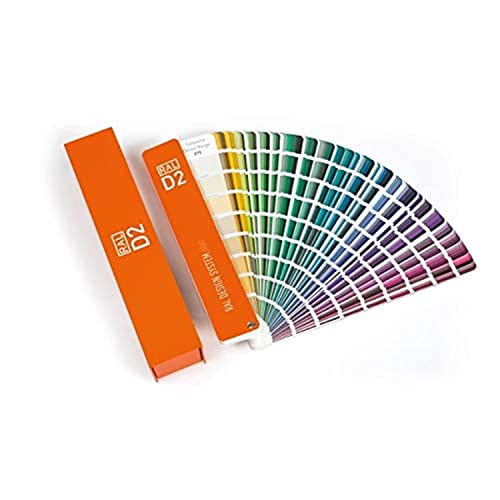
Begin by choosing a central theme or color palette that brings cohesion to your space. I often select natural hues or muted tones that are common in vintage designs, pairing them with bolder accents typically found in modern styles. This strategy helps create harmony while allowing each piece to shine.
Incorporate statement items strategically. For example, a sleek, minimalist coffee table can serve as a strong focal point when set against plush, vintage sofas. I recommend varying materials; juxtaposing distressed wood with polished glass can introduce an engaging contrast that keeps the eye moving throughout the room.
Textiles play a significant role in achieving balance. A contemporary rug beneath a traditional dining table introduces warmth and comfort. I choose patterns that either tie back to classic motifs or present a fresh take on them. Mixing textures like velvet, linen, and leather adds dimension and richness.
Finally, don’t overlook the impact of accessories. Artwork is an excellent way to bridge styles. I often opt for contemporary pieces that echo motifs or colors found in classic designs, creating a cohesive narrative throughout the space. It’s these thoughtful details that truly make the fusion seamless and personal.
Choosing a Color Palette that Unifies Styles
Opt for a cohesive color scheme that creates harmony between various design elements. Selecting a base color, such as a neutral tone, helps ground the space. I often choose shades like beige, soft gray, or cream as a starting point.


Next, add an accent color that pops. This could be a mustard yellow, deep navy, or emerald green. Incorporating this hue through accessories, such as cushions or artwork, can bridge the gap between aesthetics from different eras.
Consider a limited palette of complementary colors. Using three to four shades prevents overwhelming the space. I stick to colors that naturally belong together, drawing inspiration from nature or art to maintain visual balance.
Textures also play a significant role. Pairing smooth finishes with textured items creates depth, making the space feel intentional. For instance, I might place a sleek glass table beside a rustic wooden chair, ensuring that the color palette ties them together.
Lastly, don’t shy away from incorporating patterns. A geometric pattern can modernize a classic piece, while floral designs might soften contemporary lines. Remember to keep patterns in the selected color palette for coherence throughout the room.
Selecting Key Statement Pieces for Your Space
Focus on identifying standout elements that encapsulate the character of your environment. Opt for a bold armchair or a unique coffee table that commands attention. These central items can serve as a bridge between different styles, creating a dialogue within the room.
Consider the visual weight of each piece. Heavier, ornate items can anchor a space and pair well with lighter, streamlined designs. For instance, juxtaposing a vintage cabinet with a sleek, modern sofa highlights their distinct features while complementing the overall aesthetic.
Invest in items with history or artistry. Handmade ceramic vases or sculptures can act as conversation starters and elevate the design narrative. Combining artisanal craftsmanship with clean lines fosters a cohesive look that feels personal and intentional.
Select accents that reflect your personality. Whether it’s a retro lamp or a contemporary artwork, infuse spaces with pieces that resonate with you. This personal touch makes the environment more inviting and enjoyable.
Lastly, maintain balance. Ensure that statement items don’t overwhelm the room; they should enhance, not dominate. A well-placed focal point creates harmony while allowing other elements to shine in their own right.
Balancing Textures Between Old and New Pieces
Incorporate a variety of materials to achieve harmonious contrast. Pair soft fabrics, like velvet or linen, with the rigidness of wood or metal. While blending an antique upholstered chair with a sleek, minimalist table, I often use cushions in rich textures to create a cozy touch against the harsher materials.
Layering Elements for Depth
Introduce multiple layers to enhance complexity. Textiles such as wool throws or knitted blankets work wonders when placed on a shiny leather sofa. I frequently add patterned rugs that incorporate shades from both styles for a cohesive look, allowing different textures to play off one another.
Utilizing Natural Versus Synthetic
Contrast organic textures with synthetic finishes to define space. For example, I enjoy placing a rough-hewn wooden coffee table alongside smooth, glossy vases. This juxtaposition accentuates the beauty of nature while bringing in a modern flair. By thoughtfully selecting pieces that showcase their materiality, I create an inviting atmosphere.
Incorporating Accessories to Bridge Design Gaps
Utilizing art pieces, sculptures, or textiles is critical in creating a cohesive look that balances differing aesthetics. For example, selecting a large abstract painting can draw attention and serve as a focal point, harmonizing the surrounding styles. Look for colors in the artwork that reflect both the vintage and modern elements present in the room.
Layering Textiles
Throw pillows and blankets play a significant role in merging distinct styles. I recommend mixing both geometric patterns with floral designs to create a visual dialogue. Incorporate textures like velvet, linen, or cotton, ensuring a warm and inviting atmosphere. This softens the transition between varied pieces and adds depth to the overall presentation.
Choosing Decorative Objects
Curating decorative items such as vases, books, or unique artifacts can foster a sense of continuity. Items reflecting metallic finishes can bridge the gap between modern sleekness and age-old elegance. I often place both contemporary ceramics and classic glass pieces on shelves or coffee tables, allowing them to coexist harmoniously within the space.
Lighting deserves special attention; selecting fixtures that incorporate both modern lines and antique finishes can further unify the look. A contemporary chandelier paired with vintage wall sconces can illuminate the room while enhancing the eclectic vibe.
Incorporating personal memorabilia and photographs in stylish frames can also personalize the space. Mixing various frame styles, such as minimalist wood alongside ornate gilded ones, creates an engaging visual story that captures different eras while keeping the theme vibrant.
Arranging Furniture for Optimal Flow and Functionality
Prioritize the layout to establish smooth transitions and accessibility. Consider defining zones for various activities within the space, using pieces to delineate areas for conversation, work, or relaxation. For instance, group seating arrangements in a circular format to foster dialogue, while ensuring walkways between furnishings remain unobstructed.
Traffic Flow
Maintain at least 30 inches of clearance between fixtures, allowing for comfortable navigation. Ensure pathways lead to key areas, such as entrances and exits, without creating bottlenecks. When positioning larger items, like couches or bookshelves, place them against walls to maximize floor area.
Proportions and Scale
Balancing the size of each installation enhances visual appeal. Combine a large sofa with smaller accent chairs to create harmony in scale. A well-proportioned environment prevents any single piece from overwhelming the area, fostering a cohesive aesthetic.
| Furniture Piece | Recommended Clearance | Suggested Arrangement |
|---|---|---|
| Sofa | 30-36 inches | A against wall, focus on conversational layout |
| Coffee Table | 18 inches | Centered, equidistant from all seating |
| Dining Table | 36 inches | Free space around, accommodating chairs |
| Accent Chairs | 30 inches | Pair with sofa or opposite for balance |
Incorporating adjustable lighting can further enhance arrangement functionality. Utilize floor or table lamps to illuminate specific areas and improve mood, adjusting brightness based on activities. This thoughtful approach ensures both aesthetic appeal and practical use in the shared living environment.
Using Lighting to Enhance Style Cohesion
To achieve harmony between classic and modern decor, pay close attention to your lighting choices. Start by incorporating a variety of light sources that cater to different needs and moods.
- Layer Your Lighting: Utilize ambient, task, and accent lights. For example, a chic pendant light over a rustic dining table can draw the eye and create a focal point.
- Choose Fixtures Wisely: Select a blend of fixtures that bridge various styles. A vintage chandelier paired with sleek, contemporary sconces can unite contrasting elements in a unified vision.
- Consider Color Temperature: Opt for warm lighting to create a cozy atmosphere that complements both eras. LED bulbs in warm tones can soften harsh lines found in modern pieces.
- Use Dimmers: Integrating dimmer switches allows you to adjust lighting for different occasions, enhancing the mood while softening transitions between design styles.
By thoughtfully selecting lighting elements, the overall aesthetic can feel cohesive and inviting, providing a seamless blend of old-world charm and modern sophistication.
Maintaining a Personal Touch in Diverse Designs
Integrate family heirlooms or unique finds to bring your vision to life. Each piece tells a story, adding depth to the overall aesthetic. For instance, a vintage side table can serve as an anchor, seamlessly uniting various styles.
Use personal color choices or artwork to bridge gaps between different eras. Incorporating pieces that evoke memories or reflect personality fosters a sense of cohesion while allowing for expression. Family photographs in eclectic frames can harmonize the environment, creating a welcome contrast.
Mix materials thoughtfully. A handcrafted ceramic vase can juxtapose sleek metallic accents, providing a tactile experience while enhancing visual interest. This approach establishes a narrative that complements each object’s history and significance.
Implement unique accessories like crafted textiles or ethnic patterns to weave narratives through your space. Decorative throws or cushions with cultural significance can serve as conversational starters. These elements not only beautify but also enhance the richness of the decor.
Placement plays a pivotal role. Group items purposefully, allowing for balance while keeping in mind their significance to you. This arrangement encourages flows that invite exploration without sacrificing comfort or function.
Maintaining this personal touch transforms your environment into a curated gallery of individuality, offering both visual delight and personal meaning.


