
 Caleb Turner

Begin with a color wheel to simplify your selection process. Complementary shades, those opposite each other on the wheel, create a vibrant dynamic that energizes a space. I recommend picking a dominant hue and pairing it with an accent that provides contrast yet maintains a cohesive look.
Consider the undertones of your selected shades. For instance, warm hues–like reds and yellows–often harmonize well, while cool tones–such as blues and greens–bring a tranquil vibe. It’s helpful to gather fabric swatches and paint samples to visually assess how they interact in your specific environment.
Texture plays a significant role in your design. A mix of matte and glossy finishes can add depth. Incorporating various materials, such as wood, metal, or textiles, can enhance the overall aesthetic, ensuring the visual experience is both rich and inviting. Strategically choosing where to place different pieces within the setting also influences how colors are perceived and how they contribute to the overall ambiance.


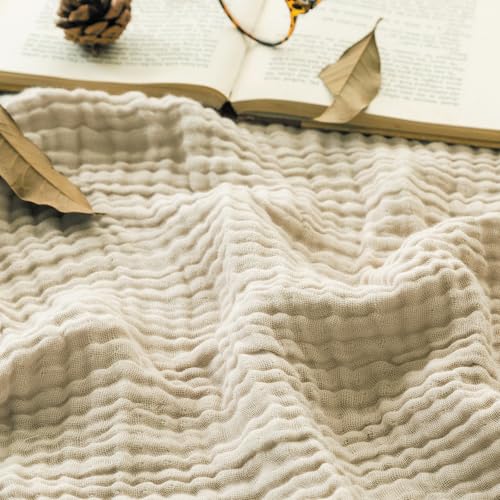
Color Coordination for Your Space
I recommend selecting a primary hue for your sofas or chairs, then introducing two complementary shades. For a bold effect, choose a striking tone as your main feature. Pair it with neutral shades like beige or gray to ground the ambiance, while using a softer hue for accent pieces to tie everything together harmoniously.
Create visual interest by mixing textures within the same palette. Combining a matte finish with glossy elements or including fabrics like velvet alongside linen enhances depth. This approach adds warmth and sophistication without overwhelming the senses.
The 60-30-10 rule can guide your selections effectively. Devote 60% of your design to the dominant color, 30% to a secondary shade, and reserve 10% for accents like cushions or artwork. This structure ensures balance and prevents any one color from overpowering the entire aesthetic.
<p Don’t shy away from experimenting with patterns. Subtle designs can offer an additional layer while maintaining your chosen color scheme. When introducing patterns, consider scale; larger prints work well on bigger pieces while smaller patterns can accentuate smaller elements.
Lighting significantly impacts how shades appear. Test your selections under different lighting conditions to ensure they harmonize throughout the day. When possible, use natural light to assess your scheme, as it offers the most accurate reflection of true colors.
Always keep personal taste in mind. Curate a palette that resonates with your style, ensuring that the final arrangement feels authentic and welcoming. Collect samples to visualize the complete picture before finalizing any choices.
Understanding Color Theory for Furniture Selection
Utilizing the color wheel is pivotal for creating cohesive palettes. I recommend starting with complementary hues to ensure an appealing contrast. For instance, pairing a warm beige with a cool navy creates a striking visual balance.
Consider these foundational principles:
- Primary Colors: Red, blue, and yellow are fundamental. These serve as the basis for all other shades. Mixing them can help derive secondary and tertiary tones for diverse applications.
- Complementary Colors: Opposite colors on the wheel enhance each other’s intensity. For example, a rich emerald green contrasts beautifully with a soft raspberry.
- Analogous Colors: Colors adjacent on the wheel create harmony. Utilizing tones like orange, yellow, and mustard together can impart warmth and coziness.
- Monochromatic Scheme: Variations of a single hue establish a refined look. For instance, lighter and darker shades of gray deliver sophistication.
Textures and patterns also influence perception. For instance, pairing a plush velvet chair with a sleek leather sofa involves considering how the colors interact. Choose a palette that feels inviting and reflective of your style.
Utilizing digital tools to experiment with color combinations allows for previewing the ambiance. Apps and software can help visualize how different tones interact in your space.
Lastly, always consider lighting; natural and artificial sources can dramatically affect how colors appear. Testing samples in situ before committing to larger pieces ensures satisfaction.
Choosing a Color Palette That Complements Your Space
Begin by assessing the existing hues in your environment, including wall shades, flooring, and décor. Identify a primary color that serves as a foundation for your palette. A neutral shade like beige, gray, or white can create a serene backdrop.
Next, select two to three accent hues that harmonize with your base. Consider colors found in nature, such as earth tones, which promote coherence. Pairing a soft blue with sandy beige evokes calmness, while a deep green against cream can introduce sophistication.
Utilize the 60-30-10 rule: allocate 60% of your space to the dominant color, 30% to a secondary shade, and 10% to an accent. This approach ensures a balanced and visually appealing arrangement. For instance, if beige dominates, introduce a charcoal gray on upholstery, and incorporate mustard yellow through cushions or artwork.
Experiment with texture to enhance your palette. A combination of matte and glossy finishes can add depth. An upholstered chair in a rich fabric against a smooth wooden table creates visual intrigue.
Test color swatches in natural light to determine how they interact throughout the day. Look for any color shifts that may occur under different lighting conditions. Observing this can inform your final choices, ensuring a cohesive ambiance.
Draw inspiration from existing designs, whether it’s through magazines, online platforms, or your favorite spaces. Pay attention to successful combinations and consider how they might translate into your design.
Using the 60-30-10 Rule for Balanced Color Distribution
I rely on the 60-30-10 rule for optimal visual balance in any interior. This formula allocates color distribution as follows: 60% for the dominant shade, 30% for the secondary hue, and 10% for an accent tone. This strategy ensures a cohesive yet dynamic environment.
The dominant color involves walls, larger pieces, or flooring–shades that define the mood and create a base. I typically select a neutral or soft tone for this category, as it allows for versatility in accessorizing.
The secondary color appears in upholstered items, rugs, or significant accents, comprising about 30% of the space. This contrast provides depth. I tend to choose a contrasting but complementary hue to the primary, ensuring it enhances rather than overwhelms the ambiance.
The last 10% is where I incorporate the accent color. This can be bold or vivid shades in smaller accessories like cushions, art, or decorative objects. These pops not only energize the atmosphere but can also draw attention to specific areas or features.
| Color Role | Percentage | Examples |
|---|---|---|
| Dominant | 60% | Walls, large sofa |
| Secondary | 30% | Accent chairs, drapes |
| Accent | 10% | Cushions, artwork |
This rule aids in preventing chaotic visuals and creates an inviting, well-coordinated atmosphere. Remember, balancing the proportions makes all the difference in achieving an aesthetically pleasing setting.
Incorporating Textures and Patterns with Color Coordination
To create visual interest in your space, I prioritize a variety of textures and patterns alongside hues. Begin with a dominant material, like a plush sofa, and then introduce contrasting elements such as sleek metal or woven textiles. For instance, if I choose a velvet couch in deep blue, I complement it with a light-colored linen armchair to offer a tactile contrast.
Using Patterns Effectively
Integrating patterns can bring life to a palette. I often opt for patterned throw pillows or area rugs that incorporate shades from my chosen color palette. Stripes can add height, while florals or geometric patterns contribute a contemporary touch. It’s important to limit the number of different patterns to two or three to maintain cohesion.
Layering Textures
Layering different textures enriches the overall aesthetic. I incorporate elements like soft throws, knit cushions, or wooden accents against smoother finishes. This combination not only defines areas within the environment but also enhances comfort. For example, a leather chair paired with a chunky knit throw creates a cozy yet stylish vibe.
Considering Lighting Conditions When Selecting Colors
Evaluate the natural and artificial light sources in your area. I often find that the presence of large windows or specific orientations can significantly alter the perception of shades throughout the day. For instance, spaces with substantial north-facing windows may appear cooler and dimmer, making warm tones more inviting. Conversely, south-facing areas tend to enhance brightness and can intensify the vibrancy of hues.
Experiment with swatches under various lighting scenarios. Hold samples next to your fixtures to see how they respond. I recommend observing them during different times; overhead lights and lamps can shift colors considerably, affecting the overall ambiance. Warm white bulbs bring out golden tones, while cooler fluorescent lights can make shades appear stark.
Consider layering lighting sources as well. Ambient, task, and accent lights each interact uniquely with the selected tones. For instance, adding soft lamps or wall sconces can soften bold colors, creating a harmonious effect. Incorporating dimmers allows for further adjustment, optimizing the atmosphere as needed.
Reflective surfaces like mirrors and glossy finishes can also influence how colors appear. They can enhance brightness but may distort the actual shade. I advise keeping this in mind to ensure that your desired palette translates well across different elements within the space.
Finding Inspiration from Nature and Art for Color Matching
Observing natural environments can be a wealth of inspiration. I often find color combinations in landscapes, from the deep greens of forests to the earthy browns of the soil or the soft blues of a clear sky. For instance, a serene coastal scene offers hues ranging from sandy beiges to oceanic teals. Creating a palette around these elements can bring a refreshing vibe to a space.
Art pieces also serve as a great source for color selection. When I visit galleries or examine artworks, I pay attention to the artist’s color choices. A bright abstract painting can guide me toward a palette that includes bold shades and highlights, while a monochromatic piece might inspire more subdued tones. I keep a color wheel handy, which allows me to see how different shades interact and complement one another, guiding my decisions afterward.
Combining influences from both realms–nature’s subtleties and art’s boldness–can lead to unique color stories. I often create mood boards that include photographs of landscapes or art pieces that resonate with me. This visual reference helps streamline the selection process, ensuring that every piece in my interior reflects an intentional and curated aesthetic.
Inspiration can be found everywhere, and translating those influences into actual choices adds a personal touch to the environment, making it feel cohesive and thoughtfully designed.
Testing Color Combinations with Swatches and Samples
Use paint swatches to test small sections of your walls. Apply different hues side by side to see how they interact under various lighting conditions throughout the day.
Fabric samples from upholstery or throw pillows provide insight into how different tones work with textures. This can reveal surprising harmonies or clashes that might be invisible in a store setting.
Utilize color samples in large sheets to create a mock-up of your space. Tape these sheets to your walls or lay them on your furniture. This allows you to visualize how different shades coexist in your environment.
Incorporate a color wheel. Its complementary and analogous shades help in identifying how specific tones will coordinate when placed together.
Practical Steps for Testing
- Gather samples from paint suppliers, fabric stores, or online retailers.
- Consider current decor and flooring colors to ensure cohesion.
- Experiment with vertical and horizontal arrangements, as perception of hues changes depending on placement.
Tips for Optimal Results
- Test colors in natural light, as artificial lighting alters perception dramatically.
- Calculate the room’s scale; larger spaces may require more intense shades compared to smaller nooks.
- Take a photo of your combinations to compare side by side later.
Testing with swatches and samples can reveal the perfect tonal harmony, ensuring your selections bring the desired ambiance to your space.
Avoiding Common Mistakes in Furniture Color Coordination
Avoid pairing overly bright shades without balance. Instead, opt for complementary tones that provide harmony rather than overwhelming vibrance. Incorporate soft neutrals to soften bold choices, ensuring that no single hue dominates the space.
Ignoring the Effects of Texture
Textures can greatly influence color perception. A matte finish may absorb light and appear darker compared to glossy surfaces, which reflect light and can appear lighter. Mixing varying textures creates depth and interest; I always recommend considering how different materials will affect the colors in your design.
Overlooking Existing Architectural Elements
Neglecting to consider the room’s architectural features like moldings, flooring, or built-ins often leads to mismatched aesthetics. I found that incorporating or contrasting existing colors from these features can provide a cohesive look that feels intentional. Matching new selections with the palette of existing elements creates a unified visual experience.
FAQ:
What are some tips for choosing color schemes for living room furniture?
When picking color schemes for your living room furniture, consider the existing color palette of the room. Start by identifying dominant colors in your walls and flooring, and then choose complementary or contrasting colors for your furniture. Neutral shades such as beige, gray, or white can create a calming base, while bolder hues like navy or emerald green can make a statement. Additionally, using color swatches can help visualize how different shades work together in your space.
How can I use color psychology to influence my living room design?
Color psychology plays a significant role in how we perceive and feel within a space. For example, warm colors like reds and oranges can create a cozy and inviting atmosphere, perfect for gathering with friends. Cooler colors like blues and greens tend to evoke feelings of tranquility and relaxation. When selecting colors for living room furniture, consider the mood you want to create and how various shades can contribute to that feeling. Experimenting with different combinations can lead to a harmonious and pleasant environment.
What furniture colors are trendy right now for living rooms?
Currently, earthy tones such as terracotta, sage green, and muted browns are very popular for living room furniture. These colors not only bring a sense of nature indoors but also complement various design styles, from rustic to modern. Additionally, pastels like soft pinks and light blues are gaining traction for a fresh, airy feel. For a more contemporary look, incorporating furniture in shades of charcoal or deep jewel tones, like plum and teal, can add sophistication to your space.
Can I mix different colors of furniture in my living room?
Yes, mixing different colors of furniture can create a dynamic and personalized look in your living room. To achieve a cohesive design, consider sticking to a specific color palette, using a combination of three to five colors. It’s helpful to maintain a balance between bold and neutral pieces, ensuring that no single color overwhelms the space. Integrating various textures and patterns can also enhance the visual interest while keeping the overall appearance harmonious.
How do lighting conditions affect the appearance of furniture colors in a living room?
Lighting can significantly influence how colors are perceived in a living room. Natural light brings out the true color of furniture, making it appear brighter or softer depending on the time of day. In contrast, artificial lighting can alter color temperatures; for instance, warm lighting can create a cozy atmosphere, while cooler lights may enhance blues and greens. It’s advisable to test furniture colors under different lighting conditions before making a final decision to ensure they complement your desired aesthetic.
What are some effective ways to choose furniture colors for my living room?
To select colors for your living room furniture, begin by considering your wall color and overall decor theme. If your walls are neutral, you can add pops of color through furniture, such as sofas or chairs in bold hues. For a cohesive look, choose a color palette with two or three complementary colors. You might also consider the mood you want to create; warm colors can make a space feel inviting, while cool colors can create a calming effect. Additionally, using fabric swatches can be helpful in visualizing how different colors and textures will work in your space.
Can I mix different colored furniture in my living room, and if so, how?
Mixing different colored furniture can add visual interest and personality to your living room. To do this effectively, try to keep a consistent theme or color palette in mind. One approach is to choose one or two main colors and use varying shades of those colors throughout your furniture. Another option is to use a neutral base (like beige or grey) for larger pieces, then incorporate colorful accents like cushions, art, and smaller furniture items. It’s also helpful to consider the balance and proportion of colors; ensure no single color overwhelms the other elements in the room. Creating cohesion through similar textures or patterns can also help unify the different colors.


