
 Caleb Turner
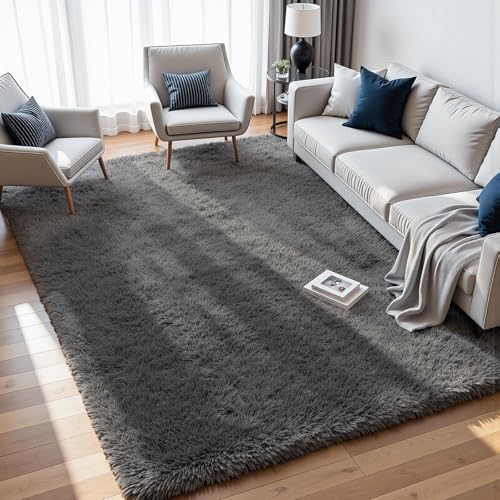
First, select a hue for the flooring that serves as a backdrop to your pieces. Opt for neutral shades like beige or gray to provide versatility, creating a setting that allows your furniture’s colors to shine.
Consider the texture of the textile underfoot. A plush option can soften the angular lines of contemporary pieces, while a flat-weave variant may enhance the minimalist aesthetic of modern designs. Pay attention to the interplay between the textures to ensure a cohesive feel in your space.
Patterns play a significant role as well. If your seating is upholstered in a bold print, choose a solid flooring surface to balance the visual weight. Conversely, a simple sofa can be beautifully complemented by a patterned textile, adding depth and interest to the room.
Finally, take into account the scale of your items. Larger pieces often require a suitable base to anchor them without overwhelming the senses. In contrast, smaller furniture can be accentuated with more intricate designs on the ground, drawing the eye upward and creating an illusion of height.
Selecting Suitable Textiles for Interiors
Choose a hue for your textile that complements the tones in your seats and surfaces. If your upholstery features warm shades, lean towards rugs in earthy colors. Cold-toned couches can pair effectively with deeper blues or greens.


Texture Harmony
Balance the textures in your seating and flooring elements. For plush sofas, a flat-weave textile can provide contrast without overwhelming the aesthetic. Conversely, if your seating is sleek and contemporary, a shaggy rug can add warmth and comfort.
Pattern Coordination
Avoid clashing patterns by coordinating scales and styles. If your upholstery has bold designs, opt for subtler patterns in your floor covering. Use a table to visually simplify your choices:
| Upholstery Pattern | Recommended Textile Style |
|---|---|
| Bold Floral | Solid Color or Subtle Geometric |
| Stripe | Textured Solid or Small Prints |
| Plaid | Simple Neutral or Single Hue |
By focusing on color, texture, and pattern dynamics, a cohesive and inviting space can be achieved, ensuring all elements work in harmony.
Understanding Color Harmony Between Carpets and Furniture
Focus on the color wheel; complementary colors can create stunning contrasts. For instance, pairing warm-toned rugs, like reds or oranges, with cooler-toned seating, such as blues or greens, can add depth to your space.
- Monochromatic Schemes: Choose shades of the same color to maintain a seamless look. For example, a light beige rug can elegantly enhance darker beige furnishings.
- Analogous Colors: Employ colors that sit next to each other on the wheel for a harmonious feel. Green carpets can beautifully complement yellow and blue furniture.
- Contrasting Textures: Use texture to balance color. A plush, deep-colored rug can ground sleek, modern pieces, adding a rich layer to the design.
Consider the environment and the amount of natural light. Rooms filled with sunlight may allow for bold colors, while darker spaces may benefit from lighter shades to brighten the atmosphere.
- Assess the existing color palette of your space.
- Identify the primary color of the rug.
- Determine furniture tones that align or contrast effectively.
- Incorporate accent pieces, such as cushions or throws, to tie everything together.
Lastly, choose materials wisely. Natural fibers often give a more classic look, while synthetics can offer vibrant hues and durability. Select according to the atmosphere you wish to create.
Selecting the Right Texture for a Cohesive Look
To create a unified aesthetic, I consider the texture of the flooring material in relation to the surrounding elements. For a soft and inviting atmosphere, I prefer plush options that embody warmth, especially in living areas. If opting for a contemporary setting, sleek and low-pile textures help enhance visual openness.
When choosing a rough, woven surface, I ensure it aligns with natural wood finishes or rustic items to create harmony. Conversely, if my space features sleek furniture, I often select smooth and tailored options to complement the clean lines.
Mixing textures is equally significant; I balance soft and hard surfaces. For instance, pairing a luxurious, shaggy surface with minimalist leather seating adds depth. This contrast makes the environment inviting while maintaining sophistication.
I also pay attention to durability; in high-traffic zones, I lean towards materials that are robust yet pleasing to the eye. Selecting textures that are both inviting and long-lasting ensures that the space remains both stylish and functional over time.
In smaller rooms, I sometimes choose fabrics and textures that reflect light, such as flat weaves or low-profile options. This choice not only enhances the space visually but also creates an illusion of expanded dimensions.
Considering Room Size and Carpet Patterns
For smaller spaces, opt for subtle designs and lighter hues to create an expansive feel. Choosing a solid or lightly patterned option can ensure the area doesn’t feel cluttered. Conversely, in larger rooms, bold designs or darker colors can make a striking statement, providing a focal point while balancing the space.
When selecting intricate motifs, it’s crucial to consider how they interact with nearby items. Large, elaborate patterns may overwhelm a compact room, while smaller prints can add elegance without crowding the aesthetic.
In open-plan environments, harmonize by choosing a common pattern or color palette that runs through different areas, linking zones seamlessly and preventing a disjointed appearance. Consider transitional spaces; continuity through diverse motifs can maintain visual flow.
Always take room dimensions into account. For narrow corridors, elongated patterns can enhance the sense of space, guiding the eye along. Conversely, square rooms might benefit from geometric shapes that add structure while providing dynamic visual interest.
Remember to evaluate natural light; spaces with generous windows can handle darker tones effectively, while dimly lit rooms may require lighter shades to reflect brightness.
Matching Rugs with Different Wood Finishes
Choosing the right area rug to complement wood finishes is crucial for a harmonious look. For light wood tones like birch or maple, opt for rugs in soft neutrals or pastels. This combination enhances the airy feel of the space while adding warmth.
Dark woods, such as walnut or mahogany, pair well with bold, rich colors. Consider deep blues or greens that create a striking contrast, drawing the eye and adding depth to the decor. Patterns incorporating gold or brass can also elevate the overall aesthetic.
If your wood finish has noticeable grain patterns, simpler, solid designs in your textile can balance the visual weight. Avoid overly intricate designs that might clash with the wood’s texture. Instead, look for subtle geometric shapes or monochromatic tones.
For reclaimed or rustic wood, I recommend using natural fiber rugs. These textiles bring in an organic touch, perfectly complementing the imperfections of distressed finishes. Colors found in nature, like earthy browns and greens, resonate well here.
Additionally, consider the sheen of your wood finish. If glossy, lean toward rugs with a matte finish to prevent overwhelming the space. Conversely, if your floors are matte, a subtle sheen in your area rug can add a touch of elegance.
In open-concept layouts, continuity is key. Use transitional colors and patterns that flow from one space to another, ensuring a cohesive look across different areas of your home.
Layering Rugs for Depth and Contrast
Incorporating multiple rugs creates a dynamic visual interest in your space. Start by selecting a larger base rug that complements the dominant hues of your room. This piece should establish the main color palette, while the secondary, smaller rugs can introduce contrasting patterns and textures. For instance, if your main area is neutral, a bold, patterned layer adds depth and character.
Choose Complementary Patterns
Ensure the smaller rug features colors found in the larger one, while introducing its unique pattern. Mixing geometric shapes with organic designs works well; just maintain a cohesive color scheme. The layering should feel intentional, creating a harmonious yet varied visual experience.
Texture Variations
Opt for different textures to enhance the tactile experience. A plush, soft rug layered over a flat-woven piece creates inviting comfort. Experimenting with materials like jute or shag can offer a striking contrast in feel, enhancing both style and comfort in your space.
Testing Samples Before Making a Final Decision
Requesting samples from suppliers is crucial. I assess colors and textures in the room where they will be placed. Natural light can significantly alter the perception of hues, so afternoon testing is beneficial.
Next, I place samples alongside existing pieces to evaluate their interaction. I pay close attention to contrasts and cohesiveness. Observing this in various lighting throughout the day provides a better understanding of how the interplay changes.
Experiments with layering different samples can also reveal unexpected combinations that enhance the overall design. Using temporary adhesive to attach samples on the floor helps visualize how different textures contribute to the ambiance.
Additionally, I focus on the scale of patterns in the samples. Larger designs may overwhelm smaller spaces, while intricate patterns can add depth in larger areas. Testing this can lead to a more informed choice.
Considering the acoustics of the space is also important. I find that denser materials help absorb sound, creating a more inviting environment–especially in busy households. Experimenting with various densities enhances comfort.
Finally, I remain aware of maintenance requirements associated with the chosen materials. Some fibers resist stains better than others, influencing long-term satisfaction. Keeping these practical concerns in mind leads to more strategic selections.


