
 Caleb Turner
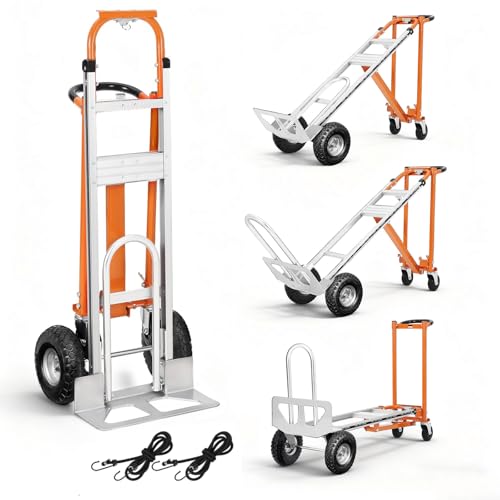
Begin by assessing the weight and size of the object. Use a sturdy dolly for larger pieces, ensuring you distribute the weight evenly to avoid strain. If a dolly isn’t available, consider using sliders or pads under the legs to glide the item across the floor.
Engage your legs rather than your back. Bend at your knees, keep your back straight, and use your leg muscles to lift. This reduces the risk of injury and makes the task less daunting. For even more support, recruit a friend to help; two people can maneuver larger items with greater ease.


Remove drawers and break down larger pieces whenever possible. This not only decreases the overall weight but also allows for a tighter grip and easier navigation through doorways and hallways. Always plan your route ahead to avoid obstacles and ensure a smooth transition.
Strategies for Moving Heavy Items
Utilizing proper posture is fundamental. I bend my knees, keeping my back straight, and use my legs to lift. This technique distributes the weight more evenly and minimizes strain on my back.
Employing tools can make a significant difference. Dolly carts are indispensable for moving bulky pieces. I always ensure the item is secured before transporting it to avoid any mishaps.
Using sliders is another trick I swear by. Placing these under heavy objects allows for effortless gliding across floors, reducing the need for lifting altogether.
I also recruit a buddy when tackling substantial loads. Together, we communicate throughout the process, coordinating our movements to ensure stability and safety.
A solid grip is vital. I wrap my hands around sturdy parts of the item, ideally at the center of gravity, allowing us to maintain better control during the transfer.
I take time to clear the path beforehand. Ensuring the route is free of obstacles helps to navigate without hassle, decreasing the chances of tripping or dropping an item.
| Technique | Description |
|---|---|
| Posture | Bend knees, back straight |
| Tools | Dolly carts and sliders |
| Teamwork | Communicate with a partner |
| Grip | Hold at center of gravity |
| Clear Path | No obstacles in the way |
Assess the Weight and Size of the Furniture
I first gauge the dimensions of the item to determine its bulk and how much space it occupies in the environment. Measuring length, width, and height allows for better planning on how to maneuver through doorways and tight corners.
Next, I estimate the weight accurately. If the piece is too heavy for one person to manage, I consider using equipment like dollies or asking for assistance. Items such as sofas or large cabinets often carry more heft than anticipated. I might refer to manufacturer specifications or online resources for insights on weight.
If I can, I perform a preliminary test by tilting or shifting the piece slightly to feel its balance and heaviness. This helps me prepare and strategize for the next steps. Knowing how cumbersome an item is informs my approach, whether it involves adjusting grip techniques or enlisting help.
Finally, I take note of any awkward angles or protrusions that might complicate handling. Assessing both size and mass ensures that I approach the task with a solid understanding of what I am working with, leading to smoother execution.
Choose the Right Lifting Technique
I prioritize bending my knees while keeping my back straight. This posture provides better leverage and reduces strain on my spine. I grip the piece firmly, ensuring my hands are positioned appropriately to distribute weight evenly.
I find it helpful to position myself as close as possible to the object. This allows me to maintain control and balance. If the item has sharp edges or delicate surfaces, I wrap my hands with a cloth or wear gloves for protection.
For larger pieces, I utilize a team approach. We coordinate our movements, ensuring we lift at the same time. This teamwork significantly minimizes the risk of injury. I also make sure to communicate clearly, using simple commands like “lift” or “down.”
If an item is particularly bulky or awkwardly shaped, I often use a pivot technique. Rather than trying to move it directly, I leverage my body weight and angle to shift it smoothly in the desired direction. This reduces the amount of force required.
<p_I make sure to keep my feet shoulder-width apart for stability. Distributing my weight evenly allows for better control when shifting or adjusting position. If the location requires tight turns or space constraints, I often reposition my feet before making any moves.
<p_I pay close attention to maintaining my balance while maneuvering. Taking small, deliberate steps rather than rushing helps prevent falls or mishaps. Before approaching stairs or inclines, I assess the best method to navigate these areas safely, always prioritizing safety over speed.
Utilize Tools and Equipment for Assistance
Invest in a quality dolly or hand truck. These devices simplify the transfer of bulky items by providing stability and reducing the strain on my back and arms. Make sure to choose a model rated for the weight of what I’m moving.
Furniture sliders are a game-changer for shifting items across floors. By placing these under the legs of heavier pieces, I can glide them rather than lift, minimizing physical exertion and potential damage to surfaces.
Use straps or lifting bands to improve grip and leverage. These tools can be adjusted to fit various sizes, allowing for safe handling of oversized pieces without losing control.
A furniture hoist can be indispensable for multi-story moves. It allows me to lift large items easily over balconies or through windows, saving time and effort.
Consider using corner protectors and padding during transport. These accessories safeguard both my belongings and walls, preventing scratches and dents during maneuvering.
Wear supportive footwear with non-slip soles. Proper footwear enhances stability and traction, enabling me to move confidently without risking slips.
A moving blanket can serve multiple purposes, from protecting surfaces to serving as a makeshift cushion for equipment. Wrapping delicate items in these blankets ensures they remain undamaged during transport.
Prepare the Pathway for Safe Movement
Clear the area where I intend to transfer the items. Remove any obstacles such as rugs, shoes, or furniture that could cause tripping. Ensure that pathways are well-lit to identify potential hazards accurately.
Measure doorways, hallways, and turns to guarantee that bulky pieces will pass through without issues. If necessary, consider temporarily removing doors to create additional space.
Use a non-slip surface on floors if the items are heavy or cumbersome. This can prevent slipping and provide more stability while maneuvering.
If moving outdoors, check the weather conditions. Wet or icy surfaces can significantly increase the risk of accidents. Choose a dry day, or ensure pathways are treated to reduce slipping hazards.
Communicate clearly with any helpers regarding the route and movement plan. This coordination helps in making the process smoother and minimizes the risk of accidents.
Lastly, keep my phone accessible in case of emergencies. Having a means to call for help ensures safety throughout the moving process.
Engage Your Core and Maintain Proper Posture
I always focus on engaging my core muscles before attempting any heavy maneuvers. Tightening these muscles provides stability and support, significantly reducing the risk of back strain. Standing tall, I ensure my feet are shoulder-width apart. This stance offers a solid base and aids balance during the process.
I position my shoulders back and down while keeping my chest up, allowing for an aligned spine. This alignment is crucial; it helps distribute weight evenly and prevents undue pressure on my back. I make sure to bend at my hips and knees, rather than at my waist. This technique helps in utilizing my legs’ strength, which is far superior to my back’s strength for heavy tasks.
Before initiating movement, I glance at the object from different angles to gauge how to pivot or maneuver effectively while preserving my body’s alignment. Should anything feel awkward or unsteady, I take a moment to reassess my posture and grip before proceeding. This attention to detail ensures that I remain grounded and ready for the task at hand.
Work with a Partner for Heavy Items
Collaborating with another individual significantly minimizes the risk of injury and enhances the chances of safely transporting substantial objects. Align your efforts by establishing clear communication and shared strategy before commencing.
- Determine the Role: Assign specific tasks to each person. One may position themselves at the front, while the other handles the rear end.
- Synchronize Movement: Count down for a simultaneous attempt to relocate the object. This ensures coordinated action, allowing both parties to maintain balance.
- Utilize Leverage: Stand on opposite sides and use a pivot point to shift the weight. This technique is particularly effective with bulky pieces.
- Monitor Each Other: Regularly check in to ensure both individuals are comfortable and secure in their positions. Adjust as needed to avoid strain.
Engaging a partner during the relocation process not only facilitates stronger lifting but also enhances overall safety, transforming a challenging task into a manageable one.
Know When to Seek Professional Help
If I encounter a situation where a piece of large, bulky equipment exceeds my capabilities, I don’t hesitate to call for experts. Recognizing my limits prevents injuries and damages.
Signs that Indicate the Need for Professionals
- Furniture is particularly heavy, such as pianos or large safes.
- Unusual layouts or tight spaces that can complicate movement.
- The presence of stairs or narrow doorways that pose a challenge.
- Items are fragile or have significant value, necessitating careful handling.
- I feel uncertain about my physical ability to manage the task without risks.
Benefits of Hiring Specialists
- Access to equipment designed for safe transportation, such as dollies or hoists.
- Experience in maneuvering awkwardly shaped items safely.
- Speed and efficiency that can save time during relocation.
- Insurance coverage in case of any accidental damage during the process.
Making the decision to bring in help is often wise. It can reduce stress and enhance the overall experience of rearranging or relocating valuable possessions.
Protect Your Floors and Walls During the Move
To safeguard surfaces, begin by covering floors with moving blankets or thick cardboard. Secure these materials in place using tape so they won’t shift while you maneuver items.
Corner guards are indispensable for preventing scratches on walls. Applying these at sharp angles minimizes damage during transitions. Consider using bubble wrap or foam padding on edges of larger pieces to further mitigate impact.
Before moving any object, inspect your path for potential obstacles. Remove small items and relocate delicate decorations to avoid accidents. Clear hallways and narrow spaces to allow for easier passage.
Train your partner to communicate effectively. Clear signals ensure everyone is aware of movement direction, preventing unnecessary collisions or falls. Maintain a steady pace to control the load and minimize risk.
Regularly check for damage caused during the process. Address any minor issues promptly to prevent escalation into significant repairs later.


