Caleb Turner
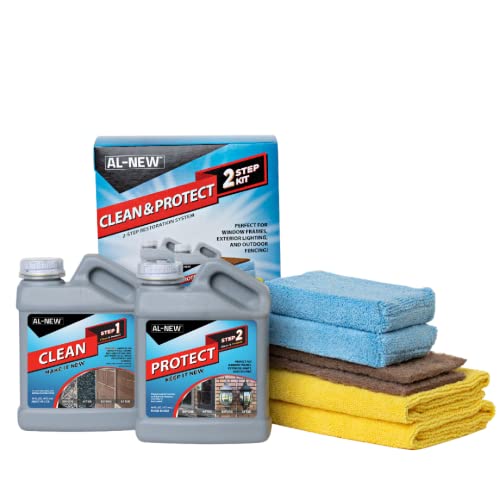
To discourage these eight-legged intruders, regular cleaning is a must. I recommend wiping down all surfaces weekly with a mixture of vinegar and water. This solution not only removes webs but also disrupts their scent trails, making the area less inviting.
In addition to cleaning routines, creating a barrier can be quite effective. Using essential oils such as peppermint or tea tree oil mixed with water in a spray bottle serves as a natural repellent. Spray this mixture around the edges of your outdoor seating to deter them from approaching.
Keep clutter to a minimum. Stacked items, cushions, or unsealed storage can provide ideal hiding spots. By organizing and securing your space, you make it less appealing for any intruders.



Consider the plant life nearby as well. Regularly trimming shrubs and decorative plants not only enhances the visual appeal but also reduces potential habitats for these creatures. This proactive approach helps to maintain a comfortable and inviting outdoor setting.
Strategies to Deter Arachnids from Outdoor Seating
I recommend regularly cleaning surfaces to remove webs and eggs. Using a broom or vacuum helps eliminate any signs of habitation.
Citrus scents, like lemon or orange, serve as excellent natural repellents. Spraying diluted citrus oil around the area can discourage them from settling in.
Consider placing essential oils, such as peppermint or eucalyptus, in small cotton balls near the seating. This method not only smells pleasant but also acts as a barrier.
Ensuring good drainage is vital. Water accumulation attracts insects, which in turn attracts these creatures. Regularly inspect and maintain the area to avoid stagnation.
Utilize mesh covers to shield items when not in use. This physical barrier significantly reduces the chance of unwelcome guests.
Regular outdoor maintenance, including trimming nearby vegetation, can reduce habitats that attract them. Keeping a clean and uncluttered surrounding space acts as a deterrent.
If the situation persists, consider employing commercial repellents specifically formulated for these pests. Following the application instructions will yield the best results.
Understanding Spider Habitats Around Patios
Identifying potential nesting areas is crucial. Look for shaded, moist locations, such as under potted plants or patio furniture. Regularly moving items around can disrupt any possible webs and make the space less attractive for these arachnids.
Consider the presence of tall grasses and overgrown shrubs nearby. These provide natural shelter and are often hotspots for many species. Mowing the lawn frequently and trimming bushes eliminates hiding spots.
Water sources are vital attractants. Ensure that birdbaths and similar features are clean and dry when not in use. This discourages not only spiders but other insects that often serve as their food sources.
Lighting plays a significant role as well. Bright outdoor lights can lure in various insects, subsequently attracting their predators. Opt for yellow or sodium vapor bulbs that minimize insect attraction.
Cleaning surfaces is an effective strategy. Regularly sweep and wipe down outdoor tables and chairs to remove any existing webs or egg sacs. Using a vacuum can help eliminate any hidden spiders before they settle in.
Creating physical barriers can also help. Installing screens or mesh around openings provides an added layer of protection against unwanted residents. Closing off any gaps or cracks in walls or structures further reduces entry points.
Considering the overall design of the outdoor space can influence habitation patterns. Using smooth, tightly-fitted outdoor materials can minimize chances of insects and their predators taking up residence.
Choosing the Right Location for Your Outdoor Seating
Positioning outdoor seating in a well-lit and open space deters unwanted creatures. Areas with insufficient light or dense shrubs create ideal habitats for pests. Enhance brightness by placing your chairs and tables away from overly shaded spots where webs and nests can form.
Avoiding High-Risk Areas
Avoid placing your outdoor items near walls, fences, or dense vegetation. These locations provide protection for various insects, making them attractive. Instead, opt for areas that allow for airflow and sunlight. This can significantly minimize the chances of witnessing unwanted visitors.
Using Elevated Surfaces
Utilize patio space on elevated surfaces or platforms. Keeping furniture raised reduces direct contact with the ground, making it less appealing for unwanted visitors. Choosing a slightly elevated position also prevents water accumulation, which can attract various insects to the vicinity.
Utilizing Natural Repellents to Deter Spiders
To create an unwelcome environment for arachnids, I recommend using essential oils, particularly peppermint, tea tree, and lavender. Mixing 10-15 drops of any of these oils with water in a spray bottle effectively deters these creatures. Spraying the mixture around the perimeter of outdoor seating areas should keep them at bay.
Citrus peels serve as an additional natural deterrent. Placing orange or lemon peels in strategic spots can help repel unwanted visitors due to their aversion to citrus scents. Regularly replacing the peels ensures ongoing effectiveness.
Vinegar also works as a potent repellent. A solution made of equal parts white vinegar and water, sprayed in likely hiding spots like cracks and crevices, can disrupt their nesting habits. The strong odor will discourage them from returning.
Finally, planting certain herbs such as rosemary and mint around outdoor lounging areas can act as a preventive barrier. Not only do these plants provide a fresh aroma, but they also create a natural shield against unwanted arachnid inhabitants.
Regular Cleaning Routines for Outdoor Seating
Vacuuming the surfaces at least once a week minimizes dust and debris accumulation, creating an uninviting environment for intruders. I focus on all nooks and crannies, especially under cushions and in crevices where insects may thrive.
Wiping down each piece with a mixture of mild soap and water on a bi-weekly basis removes any residues that attract pests. Using a soft scrub brush can help maintain the integrity of the materials. I rinse everything thoroughly to ensure no soap remains.
Inspecting and clearing away any organic matter, such as fallen leaves or plant debris, from around the area helps reduce potential nesting sites. I make it a habit to check for web formations or signs of unwelcome guests during my cleaning routine.
During seasonal changes, I deep clean by disassembling furniture when possible. This allows access to hidden areas where unwanted creatures might reside. I also store items properly when not in use, shielding them from potential attractants and moisture.
Regular maintenance not only prolongs the lifespan of my seating but also maintains a space that is less appealing to unwanted guests.
Using Covers to Protect Your Outdoor Furniture
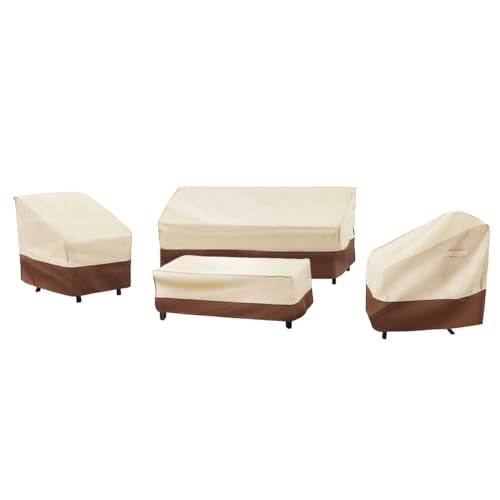
Investing in high-quality protective covers is one of the most straightforward ways to shield your patio seating and tables from unwanted visitors. These covers create a barrier that not only prevents insects from settling but also protects against the elements.
- Material Selection: Opt for durable materials such as polyester or vinyl that can withstand various weather conditions. Look for breathable options to prevent moisture buildup.
- Size Matters: Ensure covers fit snugly over every piece of outdoor décor. Loose covers can trap humidity, becoming inviting spots for pests instead.
- Ease of Use: Select covers with features like drawstrings or Velcro straps to secure them tightly. This helps maintain coverage during wind storms.
- Color Consideration: Darker colors can absorb heat and may deter insects that prefer cooler, shaded environments. Light colors reflect sunlight but may show dirt more easily.
- Regular Maintenance: Clean the covers periodically to avoid mold and mildew buildup, ensuring they remain effective in providing protection.
By utilizing protective coverings, I keep my outdoor setup clean and less appealing to insects. Regularly checking the fit and condition of these covers safeguards against both pests and harsh weather, ensuring longevity for my outdoor items.
Installing Physical Barriers Against Spiders
For an effective approach, consider installing mesh screens. This allows airflow while preventing unwanted visitors. Ensure the mesh size is small enough to block entry.
Utilizing Gaps and Openings
Examine any openings under seating or tables. Use caulk or weather stripping to seal these gaps. This can drastically reduce the chances of these creatures finding shelter.
Building Elevated Platforms
Constructing elevated bases for outdoor seating can deter nesting. Spacing the furniture away from the ground reduces attractiveness to certain species looking for a place to settle.
Including barriers such as solid wood or metal around the perimeter of the seating area can also discourage unwanted inhabitants. This additional measure helps to create a defined boundary.
Incorporating natural elements like gravel around the area can further disrupt potential habitats by creating a less hospitable environment. Regularly check and maintain these barriers to ensure they remain intact.
Choosing Spider-Resistant Materials for Furniture
Opt for materials like metal and resin, as these are less hospitable to unwanted arachnids compared to wood or fabric. Metal frames can deter nesting, while resin is non-porous and easier to clean.
- Metal: Aluminum or stainless steel frames not only resist rust but also act as a barrier against webbing.
- Resin: High-density polyethylene offers durability and an easy-to-wipe surface, making it less appealing for insects.
- Composite materials: Look for furniture made with composite materials that replicate wood but offer improved resistance to pests.
Avoid using untreated wood or upholstered surfaces, as they can attract insects and provide excellent hiding spots. If wood is necessary, opt for pressure-treated varieties with insect-repellent properties.
- Textiles: Choose outdoor fabrics with insect-repellent treatments. These fabrics dry quickly and resist mildew.
- Plastic: High-quality plastic alternatives can withstand weather conditions and deter creepy crawlies.
Regularly inspect furniture for signs of damage or wear, especially in wooden items, and consider applying protective coatings that inhibit pest attraction. Selecting appropriate materials not only enhances the longevity of outdoor seating but also minimizes the risk of infestations.
Setting Up Traps for Spider Monitoring
Utilizing simple traps is an effective method to monitor the presence of these eight-legged creatures around your outdoor seating area. The placement of traps should be strategic; corners, under chairs, and near potted plants are ideal spots that these critters often frequent.
Choosing the Right Trap
Opt for sticky traps that are specifically designed for catching arachnids. They are easily available in stores or online, and choosing a bright-colored design can attract more insects, which in turn lures spiders. Placing these traps around your lounge area will give you visual confirmation of any activity and help assess the level of an infestation.
Regular Inspection and Maintenance
Inspect traps weekly and replace them as needed. Taking note of any captured specimens provides valuable insights. Recording the frequency and locations of catches allows for better understanding of which areas require additional preventive measures or cleaning. By tracking patterns over time, adjustments can be made to reduce their presence effectively.
When to Call Pest Control for Spider Infestations
If I notice an increase in web activity or spot multiple eight-legged creatures in a short time, it signals the need to consider professional help. One of the main indicators of an infestation is finding consistent webs in corners or around outdoor items.
Signs Indicating a Professional Help is Needed
| Sign | Description |
|---|---|
| Frequent sightings | Regularly encountering multiple individuals suggests a nesting site nearby. |
| Web accumulation | Dense webs in various areas may indicate a breeding ground. |
| Species identification | Encountering venomous types like black widows or brown recluses requires immediate intervention. |
| Allergy symptoms | Unexplained respiratory issues can be tied to high spider populations. |
Considerations for Engaging Experts
I assess the extent of the situation and weigh the following factors before scheduling a pest control service:
- Duration of the problem – The longer the infestation persists, the more challenging it may become to eliminate.
- Effectiveness of DIY methods – If home remedies fail to yield results, professional intervention might be necessary.
- Personal safety – In cases of toxic species, it’s best to leave remediation to trained individuals.
FAQ:
What are some natural ways to deter spiders from patio furniture?
There are several natural methods to keep spiders away from your patio furniture. One effective approach is to use essential oils such as peppermint, lavender, or tea tree oil. You can mix a few drops of these oils with water in a spray bottle and apply it to the furniture. Spiders tend to dislike these strong scents. Additionally, keeping the area clean by regularly sweeping or vacuuming can help prevent spider webs and the insects they feed on from accumulating, further reducing the attraction for spiders.
How can I physically prevent spiders from making homes in my patio furniture?
To physically prevent spiders, consider covering your patio furniture with protective covers when not in use. This acts as a barrier and reduces the chance of spiders nesting in the cushions or under the furniture. Additionally, regularly inspect and clean the furniture, focusing on corners and crevices where spiders typically build webs. Placing furniture away from walls or vegetation can also help minimize the likelihood of spiders finding a way onto your patio.
Is there a way to use chemical sprays to keep spiders away from patio furniture safely?
Yes, there are chemical sprays available specifically designed to repel spiders. When using these products, look for ones that are labeled as safe for outdoor use and non-toxic to pets and humans. It’s important to follow the manufacturer’s instructions carefully for application. Spray around the perimeter of your patio area and on the furniture itself. However, ensure that the furniture is dry before use to prevent any harmful residue from affecting your health or that of your guests.
What habits can I adopt to reduce spider presence in my patio area long-term?
To reduce spider presence long-term, establish regular maintenance habits for your patio area. Keep the area well-lit, as spiders prefer dark and secluded spots. Trim back any nearby vegetation and remove any clutter that may provide shelter for spiders. Regularly check and clean any outdoor decorations or fixtures, as these can also serve as hiding spots. Additionally, consider planting spider-repelling plants like marigolds around the patio to create a less inviting environment for them.