Caleb Turner

I recommend covering your belongings with breathable fabrics instead of plastic. This simple switch allows air circulation while avoiding moisture buildup, a common culprit in mold development.
Climate control is paramount. A consistent temperature between 65°F and 70°F, along with humidity levels below 50%, significantly reduces the chances of spores thriving. Consider dehumidifiers or air conditioners if the setting tends to be damp.
Before setting items aside, ensure they are completely dry. Any residual moisture can lead to unwanted growth during the storage period. Wiping surfaces with a mixture of vinegar and water can help eliminate existing spores.
Place silica gel packets around stored articles to absorb excess moisture. This low-maintenance solution acts as a moisture barrier, contributing to a healthier environment for your valuables.


Regular checks are vital. By inspecting your items every few months, you can identify any potential issues early on, preventing extensive damage.
Methods to Prevent Mold Growth in Your Belongings
Utilize silica gel packets or moisture absorbers within sealed containers to combat humidity effectively. These products are readily available and work by drawing excess moisture from the air.
Climate control plays a significant role–ensure the environment remains consistently cool and dry. Ideal humidity levels should range between 30% and 50%, as this discourages the development of unwanted spores.
- Avoid stacking items directly on the ground. Elevate them using pallets or racks to create airflow beneath.
- Wrap items in breathable materials like cotton or canvas, which allow air circulation while providing a barrier against moisture.
- Regularly inspect the area for any signs of condensation or leaks, addressing issues immediately to maintain a healthy environment.
Consider using a dehumidifier, especially in spaces prone to dampness. These devices continuously remove moisture, creating a more stable atmosphere.
Maintain cleanliness before placing belongings away. Dust and debris can retain moisture, contributing to potential contamination. Regularly clean the area to prevent an accumulation of allergens and spores.
- Choose a non-woven fabric for covering larger items, which can help reduce contact with dust.
- Store items in a location with good ventilation, such as a barn or climate-controlled unit.
- Introduce airflow using fans or ventilation systems if possible, ensuring constant air movement through the space.
Always be proactive rather than reactive–establish a routine for monitoring treated areas. Taking these precautions can significantly enhance the longevity and integrity of your valuable items during periods of inactivity.
Choose the Right Storage Environment
Select a facility with climate control features. Maintaining a stable temperature between 60°F and 75°F significantly reduces humidity levels, which can prevent growth issues. A controlled environment is crucial, especially in regions with extreme weather changes.
Monitoring Humidity Levels
Utilize a hygrometer to keep track of moisture levels. Aim for a relative humidity of 30% to 50%. If conditions exceed this range, consider dehumidifiers to mitigate excess moisture while allowing air circulation.
Proper Ventilation
Ensure the area is well-ventilated. If choosing a self-storage unit, opt for one with good airflow. Open doors periodically to allow fresh air exchange, reducing stagnant air which may lead to serious concerns.
Control Humidity Levels Efficiently
Use a dehumidifier within the room where personal items are housed. Set it to maintain humidity levels between 30% and 50%. This range is optimal for preventing moisture build-up that leads to mildew. Regularly check humidity readings with a hygrometer to monitor changes over time.
Consider moisture-absorbing products, such as silica gel packs or activated charcoal bags. Placing these items strategically can help reduce excess moisture. Replace them as needed to ensure they remain effective.
Seal any gaps or cracks in the surrounding areas to prevent outside air from entering. This will minimize fluctuations in humidity that can trigger mold growth. Insulating the space can also contribute to maintaining a stable environment.
Ensure proper ventilation by leaving doors slightly ajar or incorporating vents. This allows for air circulation, reducing stagnant air and keeping moisture levels in check. If necessary, install a small fan to aid in airflow.
Regularly conduct inspections of your possessions to identify any signs of moisture accumulation. Address any issues promptly to prevent larger problems. A proactive approach will safeguard your items during their downtime.
Use Protective Covers for Furniture
Choosing appropriate protective covers greatly reduces the risk of moisture retreating into surfaces. I recommend using breathable fabric or specially designed covers that allow airflow while keeping out dust and humidity.
Here are some key features to consider:
- Material: Select polyester or cotton blends that are mold-resistant and durable.
- Fit: Ensure the cover fits snugly without being overly tight, which might trap moisture.
- Waterproof Layer: Some covers incorporate a waterproof membrane, adding an extra barrier against water exposure.
When using covers:
- Secure edges with straps or ties to prevent slippage.
- Avoid plastic sheets, as they may trap moisture inside.
- Regularly check beneath the covers to monitor for any signs of moisture or damage.
In my experience, utilizing high-quality protective covers significantly enhances longevity and preserves the appearance of items kept away for extended periods.
Ensure Proper Air Circulation in Storage
I recommend placing items in a way that promotes airflow around them. Use shelves or pallets to elevate pieces off the ground, allowing air to circulate beneath. Avoid stacking items directly on top of each other, as this restricts movement and creates pockets of stagnant air.
Leave space between larger objects to facilitate air passage. Utilize fans or dehumidifiers strategically within the space; these can help maintain a consistent flow of air even in tight quarters. Additionally, consider ventilation openings if the area allows, which can further enhance airflow.
Regularly check that vents remain unobstructed and clear any dust or debris that may accumulate. For enclosed areas, periodic inspections will ensure that air circulation remains optimal. Keeping doors or windows open for a portion of time also aids in reducing moisture buildup.
Incorporate breathable materials as protective layers instead of plastic wraps. This way, ventilation is preserved yet safeguarded against external contaminants. Attention to air circulation is key in preventing unfavorable conditions that may arise during long-term placement.
Inspect Furniture for Moisture Before Storing
Before placing items in a confined area, I thoroughly examine each piece for any signs of dampness. Using a moisture meter, I check critical areas like joints, seams, and surfaces. If the reading exceeds 15%, I understand that additional drying is necessary to prevent damage.
I wipe down surfaces with a dry cloth to remove any visible moisture. For upholstery, I ensure adequate ventilation or consider using a fan to accelerate drying. If the weather is humid, I wait for a drier day or place items in a space with controlled conditions before proceeding.
I also pay attention to the material. Solid wood pieces often absorb moisture differently from particleboard, so I adjust my inspections accordingly. Any signs of prior water exposure, such as discoloration or warping, must be addressed, as they can predispose the objects to further issues.
If suspected, I apply a sealant or protective coating to vulnerable areas, ensuring they are fully dry before encasing them for transport. This proactive measure significantly reduces the risk of unwanted decay later.
Utilize Dehumidifiers and Air Purifiers
I recommend investing in a dehumidifier to maintain an optimal moisture level. A unit with adjustable settings allows for precise control, ideally keeping humidity between 30% and 50%. This range effectively deters fungal growth while not excessively drying the air, which can also harm items.
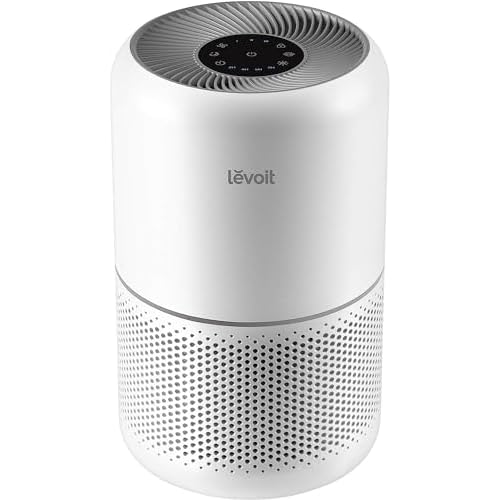
Air purifiers also play a crucial role by filtering out allergens and airborne particles. Look for models equipped with HEPA filters, as they capture microscopic spores that contribute to mold development. Regular maintenance ensures these systems function at their best.
Position both devices strategically within the area to circulate air properly. Placing them away from walls and furniture helps in achieving even airflow. If possible, consider using multiple units for larger spaces.
To monitor conditions effectively, I suggest adding a hygrometer. This allows for constant tracking of humidity levels, enabling timely adjustments to the dehumidifier or air purifier settings. By staying proactive, I can ensure a protective environment for all stored items.
Avoid Storing Furniture on the Floor
Elevate items using pallets or risers. This prevents contact with moisture that may be present on the ground, especially in areas with high humidity. By keeping belongings off the floor, air circulation improves, reducing the likelihood of dampness settling on the surfaces.
Use breathable materials for platforms rather than solid surfaces, which can trap moisture. Wooden pallets or platforms made of slatted design allow airflow beneath items, contributing to a drier environment.
Consider Environmental Factors
Be mindful of the location. Storing in basements or areas prone to flooding is particularly risky. When selecting a space, assess its history regarding water accumulation and choose higher ground whenever possible.
Adding a layer of protection such as a tarp between the furniture and the elevation structure can provide additional defense against unexpected spills or moisture. This simple step can offer peace of mind in susceptibility-prone locations.
Regular Maintenance
Regularly check the elevated surfaces and the items placed on them. This ensures that any signs of moisture are caught early and appropriately managed. Keeping a dehumidifier in the vicinity can be an excellent addition to the setup, improving overall air quality and safeguarding your belongings from potential threats.
Regularly Check Storage Conditions
Make a habit of assessing the environment where items are kept. Schedule inspections at least once a month to evaluate temperature and humidity levels. Maintain a record of findings to monitor any changes over time.
Utilize a hygrometer to measure moisture levels accurately. Ideal readings should range between 30% and 50% humidity. If levels rise above this range, take immediate action such as adjusting ventilation or employing a dehumidifier.
Inspect for any signs of dampness or leaks in the vicinity. Look for discolorations on walls, ceilings, or the ground. If any indications are present, address them right away, whether that involves repairs or relocating items to a different area.
Keep an eye on external conditions as well. Change of seasons can significantly impact indoor climate. During periods of heavy rain or snow, ensure the area remains dry and ventilated.
Note temperature fluctuations; extreme heat or cold can affect materials. A consistent climate is preferable. Maintaining a stable environment supports the longevity of belongings.
| Inspection Frequency | Actions to Consider |
|---|---|
| Monthly | Check humidity and temperature readings |
| After Severe Weather | Inspect for leaks and assess the overall environment |
| Seasonally | Reevaluate ventilation and adjust as needed |