
 Caleb Turner
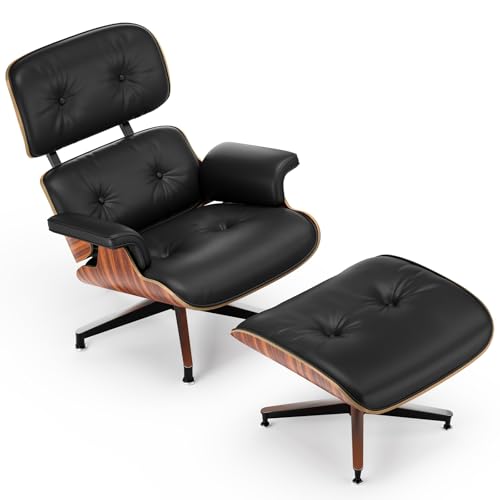
To pinpoint unique traits of iconic design pieces from the mid-20th century, examine the materials used. Look for rich wood grains, especially teak and walnut, which were favored for their warmth and beauty. You may also encounter molded plastics and metals that highlight the era’s innovative approach to composite materials.
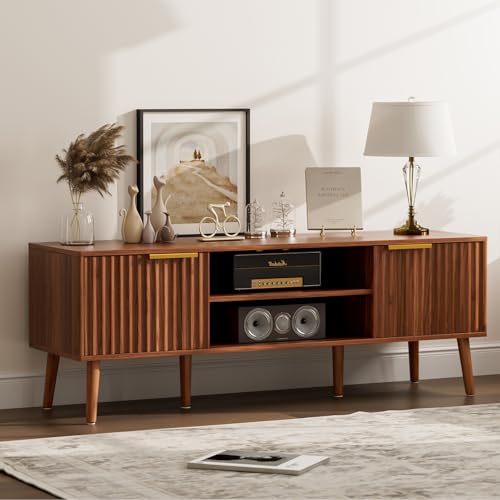
Next, turn your attention to the shapes and lines. Silhouettes are often characterized by clean, organic forms, with gentle curves and simple geometric patterns. The use of tapered legs on chairs and tables is another hallmark of this distinctive aesthetic.
In addition to examining the physical attributes, consider the functionality offered. These creations generally prioritize practicality alongside style, with many pieces designed to be versatile and suited for various spaces. Look for integrated storage solutions and multifunctional designs that reflect a commitment to adaptable living.


Finally, brand markings can provide insight into age and authenticity. Renowned manufacturers, such as Eames and Knoll, typically marked their creations, which can help confirm their historical significance. Familiarizing oneself with these markers is an invaluable step in recognizing genuine pieces from this influential design period.
Recognizing Key Design Characteristics of Mid Century Modern Furniture
Focus on clean lines and organic forms. Look for pieces with smooth, geometric shapes and minimal ornamentation. The emphasis is on simplicity, often complemented by functionality.
Materials and Construction
Natural materials like wood, leather, and metal are prevalent. Teak and walnut are common choices due to their durability and visual appeal. Check for craftsmanship; joinery techniques such as dowels or mortise and tenon are often indicators of quality.
Color Palette and Patterns
Avoid extremes in colors. Instead, seek out muted hues combined with bold accents, achieving balance. Textiles may feature simple patterns, abstract designs, or vibrant colors, providing an inviting contrast to the wood grain.
Understanding the Materials Commonly Used in Iconic Designs
Pay attention to the materials, as they play a crucial role in distinguishing classic pieces from others. You’ll often find that high-quality hardwoods like walnut, teak, and mahogany are prevalent. These woods are typically stained to enhance their natural grain, giving furniture a rich, warm appearance.
Innovative Uses of Man-Made Materials
In addition to natural woods, synthetic materials became prominent during this time. Plywood and molded plastic, for instance, were utilized for their versatility and affordability. Iconic designs often feature bent plywood, allowing for unique shapes while maintaining strength.
Upholstery and Textiles
Textiles such as leather and synthetic fabrics, like vinyl, were also common in these styles. Look for patterns that reflect the aesthetic of the era–geometric shapes and bold colors stand out. Use quality upholstery techniques as a sign of craftsmanship, ensuring that the fabric remains taut and free of sagging.
Finally, consider the finish. Many of these pieces have a lacquer or oil applied, enhancing the wood’s natural beauty while providing protection. When you inspect an item, check for consistency in the finish; this can indicate authenticity and care in production.
Identifying Iconic Designers and Their Signature Styles
Research the names Charles and Ray Eames; their molded plywood chairs are a staple. Look for their Eames Lounge Chair, showcasing a curved silhouette and luxurious leather. The smooth contours reflect their innovative use of materials.
Explore Arne Jacobsen, known for the Egg Chair, which features a fluid shape and ergonomic design. His work often combines functionality with artistic elements, making each piece easily recognizable.
Investigate George Nelson, whose Bubble Lamps exemplify his playful yet functional approach. The use of lightweight materials creates an inviting ambiance, embodying the ethos of the design period.
Recognizing Distinctive Features
Pay attention to the lines and forms of designs by Hans Wegner. His Wegner’s Wishbone Chair is notable for its Y-shaped back and natural materials, blending aesthetic appeal with comfort.
Look out for the work of Eero Saarinen. His Tulip Table, with a unique pedestal base, redefined the traditional dining experience, emphasizing simplicity and elegance.
Exploring Material Choices
Familiarize yourself with the wood selection by these designers, predominantly teak and walnut. Each piece often showcases a clean finish, enhancing the natural grain and color. Additionally, consider metal elements that provide structural support while maintaining a light visual footprint.
Incorporate these insights into your evaluations, and you’ll gain a sharper eye for the unique qualities these influential creators brought to their iconic designs.
Examining the Use of Color and Upholstery in Vintage Design
Pay attention to the color palette and upholstery choices that characterize pieces from this era. Look for rich, saturated hues such as mustard yellow, avocado green, teal, and burnt orange. These colors often create a bold contrast with natural wood tones, enhancing the organic aesthetic typical of the time.
Color Trends
Pastel shades were also popular, with soft pinks, blues, and greens often used in combination with brighter colors. It’s essential to note that patterns were sometimes incorporated, particularly geometric or abstract motifs, providing a dynamic visual interest typical of this design style.
Upholstery Choices
Upholstery fabrics ranged from wool and cotton to synthetic materials, with various textures adding depth to pieces. Look for furniture upholstered in tweed or velvet, featuring clean lines and minimal padding. The playfulness of color combined with innovative material usage reflected the optimism of the era.
| Color | Common Upholstery Materials |
|---|---|
| Mustard Yellow | Tweed |
| Avocado Green | Velvet |
| Teal | Cotton |
| Burnt Orange | Synthetic Blends |
| Soft Pastels | Leather |
These choices not only define the aesthetic but also contribute to the overall feel and character of the piece. Understanding these elements enables a deeper appreciation of the design philosophy and artistry inherent in the era’s creations.
Exploring the Influence of Scandinavian Design on Aesthetics
Scandinavian design significantly shaped post-war style, emphasizing minimalist forms and functional beauty. The integration of organic shapes and a connection to nature became hallmarks of this aesthetic. Look for flowing lines and simple silhouettes that encourage a cozy yet sophisticated atmosphere.
Key Elements Borrowed from Scandinavian Aesthetics
One notable feature is the use of light wood species, which establish warmth and comfort. Expect to see blonde woods like birch and ash. The marriage of craftsmanship and functionality is apparent, with pieces designed for everyday use but with an artistic touch. Ergonomics often play a pivotal role, ensuring pieces are not only beautiful but comfortable.
Color and Pattern Influence
Scandinavian palettes favor muted tones enhanced with occasional bright accents. Look for soft greys, whites, and earthy hues complemented by vibrant pops of color. Patterns are often geometric and simple, reflecting the Scandinavian ethos of beauty in simplicity. Fabrics such as wool and cotton provide texture while maintaining a casual elegance.
This influence reflects a lifestyle that values simplicity and harmony, creating pieces that resonate emotionally while remaining aesthetically pleasing and practical.
Spotting Common Shapes and Silhouettes in Designs
Look for clean lines and organic forms. Pieces often exhibit geometric shapes, like rectangles combined with curves. Armchairs may feature rounded backs, while tables typically boast straight legs with tapered ends. The use of asymmetry is common; for instance, a shelving unit might lean towards one side, creating a sense of balance in its unevenness.
Key Silhouettes to Observe
Angular pieces such as starburst clocks can indicate the aesthetic’s influence. Chairs with splay legs and low profiles present a hallmark of this style. Pay attention to the iconic ‘cropped’ look where furniture appears light and airy, giving a sense of openness. Rounded edges often soften the overall appearance, making items inviting without sacrificing functionality.
Recognizing Layered Ideation
Elements like the bow-shaped profile of sofas or the cantilever design in tables add drama and dynamism to spaces. Contrast is vital; for instance, combining hard and soft shapes creates movement and intrigue. Utilizing negative space effectively, especially in storage solutions, enables environments to feel less cluttered and more curated.
Distinguishing between authentic and reproduction pieces
Check for manufacturer labels or stamps. Authentic designs often feature identifiable marks from reputable brands, while reproductions may lack this or feature generic labels.
Examine the joinery. Authentic items typically employ high-quality craftsmanship with techniques like dovetail or mortise and tenon, whereas reproductions may use simpler, less durable methods like glue or staples.
Assess the materials. Real pieces utilize premium woods such as teak or walnut, along with natural upholstery fabrics. Reproductions often opt for cheaper substitutes like MDF or synthetic fibers.
- Inspect the finish: Genuine items usually showcase a hand-applied finish that enhances the wood grain, while imitations often have a uniform, machine-applied veneer.
- Look for wear: Vintage pieces will likely exhibit signs of age, such as slight patina, while new reproductions have a pristine appearance.
Research the designer. Familiarity with key creators enables you to evaluate if a piece represents their style authentically or if it’s just a derivative interpretation.
- Note the proportions: Authentic designs follow specific proportions and scale that reflect the era’s functional aesthetics.
- Check the construction: Sturdiness can be a giveaway; authentic pieces feel robust, while lower-quality replicas may feel flimsy.
Engage with communities or forums focused on vintage design. Insights from seasoned collectors can offer invaluable perspectives on how to discern quality.
Finally, when in doubt, seek professional appraisal. Experts can provide insights and authentication that verify a piece’s origin and craftsmanship.
Utilizing resources for dating and valuing mid century modern furniture
Consulting reputable publications dedicated to vintage design is essential. Books like “The Book of Mid-Century Modern Furniture” by David Nightingale offer valuable insights into aesthetics and timelines.
Online databases and auction sites often provide recent sales data, which can help in appraising values. Websites such as 1stdibs and Chairish frequently list items with their selling prices, allowing for comparison.
Join dedicated communities and forums. Social media groups and platforms like Reddit’s r/MidCentury offer opportunities to connect with enthusiasts who share knowledge and can offer advice on piece valuation.
Attend estate sales, antique shows, and specialized auctions. These events allow firsthand experience with different items, understanding pricing trends and quality intricacies.
Consider using appraisal services. Professionals trained in vintage pieces can provide accurate assessments based on condition, rarity, and provenance.
Check labels for authenticity. Many original pieces feature manufacturer stamps or labels, which can aid in verifying age and origin.
Lastly, employing resources like the International Society of Appraisers or the American Society of Appraisers can further enhance understanding of worth and dating methodologies.


