
 Caleb Turner
To pinpoint the craftsmanship of pieces crafted by Maitland-Smith, focus on specific details that exemplify their signature style. First, examine the materials used; often, high-quality hardwoods like mahogany or walnut showcase their commitment to durability and luxury. Authentic items may also feature intricate carvings, hand-painted designs, or detailed metal accents that reflect superior artisan techniques.
Next, assess the construction methods. Maitland-Smith is known for employing traditional joinery techniques, which enhances the longevity and stability of the item. Look for dovetail joints in drawers or corners–this signifies a level of quality that mass-produced items typically lack. Additionally, check for an inlaid logo or stamp; genuine creations often bear a manufacturer’s mark, discreetly located but easily identifiable.
Lastly, scrutinize the overall aesthetic. These pieces frequently embody a blend of classic elegance with contemporary functionality. Observe the finishes; a deep, rich lacquer or a subtly distressed surface can indicate authenticity. Familiarizing yourself with iconic collections or styles associated with the brand will further aid in recognizing genuine products.
Recognizing Maitland-Smith Creations
Examine the craftsmanship closely. High-quality wood, often mahogany or walnut, indicates authenticity. Look for intricate carvings and inlays; these details are hallmark features.


Check for labels; genuine pieces often bear stamps or engraved tags. Sometimes, the company name is present alongside a serial number, providing a point of reference.
Assess the hardware. Many original items use solid brass fixtures that exude durability. Look for unique designs that are not commonly found in mass-produced items.
Note the dimensions. Maitland-Smith tends to produce specific styles and sizes that may vary from typical modern trends. Take measurements to confirm they align with known specifications.
Inspect the finishes. Authentic products often have a rich, multi-layer finish that enhances the wood grain, providing depth and character.
Familiarize yourself with typical styles. Colonial, Mediterranean, and Asian influences are prominent among genuine designs. Refer to catalogs or online resources showcasing these styles for better insight.
Lastly, converse with experts or seasoned collectors for additional knowledge. They can provide invaluable context and assist in distinguishing real masterpieces from imitations.
Check for Authentic Labels
Verify the presence of authentic labels, as this is a key factor in distinguishing genuine pieces from replicas. Original items often bear a label affixed to the underside or back, clearly displaying the brand name and logo. Make sure the label is intact and in good condition; faded or damaged labels could indicate wear or even a fake.
Label Characteristics
Take note of the label’s design, as authentic labels have specific features. A genuine label typically includes:
| Feature | Description |
|---|---|
| Font | Distinctive, elegant typography unique to the brand. |
| Logo | Often features a recognizable logo that may include a registration or trademark symbol. |
| Material | High-quality paper or fabric, not cheap adhesive stickers. |
| Placement | Usually found on the underside or hidden areas, not prominently displayed. |
Additional Tips
Consult reference guides or experts, especially if unsure about the label. Comparing multiple examples can also provide clarity. Familiarizing myself with both current and vintage labels helps pinpoint authenticity and enhance my understanding of the brand’s history and evolution.
Examine the Quality of Materials Used
Inspect the wood craftsmanship; solid woods like mahogany, cherry, or walnut are prominent in authentic pieces. A high-quality finish, whether lacquered or oiled, should feel smooth to the touch and show depth in color.
Check for veneer work. Genuine items often feature intricately applied veneer, showcasing grain patterns that are continuous and harmonious. Avoid products with mismatched grain or poorly executed seams.
Look at the upholstery. Real pieces typically utilize premium fabrics such as silk, leather, or high-quality polyester, discernible by their texture and durability. Seams should be even and reinforced, not loose or frayed.
Evaluate metal components, like hinges or decorative accents, which are usually made of solid brass or bronze rather than flimsy alloys. A good indicator of authenticity is the weight and finish of these parts; they should feel substantial and display quality craftsmanship.
Lastly, alternate scrutinizing for hidden details like drawer slides or leg supports. High-end creations frequently incorporate heavy-duty glides or carved supports, contrasting with cheaper alternatives that might rely on flimsy materials.
Analyze the Design and Craftsmanship
Pay close attention to the intricate details in the design and overall craftsmanship. Look for elements like decorative carvings, inlays, and well-executed joinery. The presence of ornate accents, such as hand-carved motifs or brass fittings, can signify superior quality. Examine the symmetry and proportion of each piece; exceptional assemblage reflects high construction standards.
Materials and Construction Techniques
Genuine pieces often utilize premium hardwoods such as mahogany, walnut, or cherry, which are known for their durability and beauty. Feel the weight of the item; substantial weight usually indicates solid construction rather than veneer or lightweight materials. Joinery should be traditional, like dovetail or mortise-and-tenon, rather than modern methods, showcasing the artisan’s skill.
Style and Aesthetic Appeal
Analyze the stylistic elements that align with specific historical influences, such as Regency or Baroque. Authentic creations commonly reflect a blend of elegance and functionality, ensuring each piece is as visually appealing as it is practical. Recognizing the characteristic finishes–glossy lacquers or finely polished surfaces–can provide insights into authenticity and quality.
Research Specific Maitland Smith Styles and Collections
Begin by examining the various styles and collections that define the brand’s aesthetic. Familiarize yourself with key periods, such as the Neo-Classical, Asian-inspired, and more rustic designs. Each collection often showcases distinctive features; for instance, the “Hollywood Regency” pieces are known for their bold colors and luxurious materials.
Focus on Specific Collections
Explore notable collections like the “Bamboo” line, which emphasizes natural materials and organic shapes. Alternatively, items from the “Asian” collection often incorporate intricate lacquer work and motifs drawn from Eastern culture. Collectors should also pay attention to the “Traditional” series, characterized by classic styling and rich wood grains.
Attend Auctions and Shows
Participate in furniture shows and auctions specializing in vintage and antique home décor. Engaging with experts and fellow enthusiasts can provide insights into specific collections and styles that may not be widely recognized. Don’t hesitate to ask about specific pieces and their origins; direct inquiries can yield surprising information about hidden gems in the Maitland Smith catalog.
Utilize online resources, such as dedicated furniture forums and online marketplaces, where enthusiasts discuss and trade pieces. Scouring these platforms can help you track down specific styles that pique your interest, providing you with a broader understanding of the brand’s offerings over the years.
Identify Distinctive Hardware and Accents
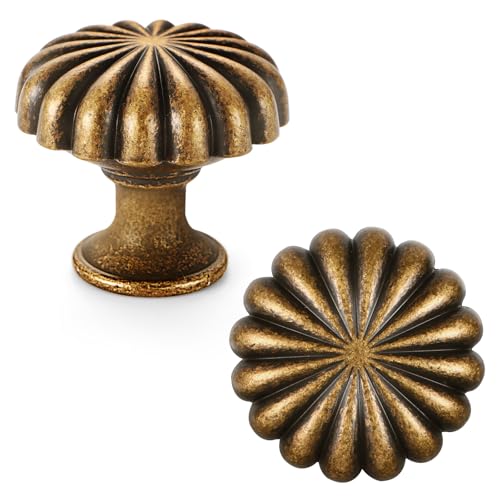
Pay attention to the unique hardware used in these pieces. Authentic items often exhibit custom-designed pulls, knobs, and hinges, showcasing intricate detailing and high-quality materials.
Common Characteristics of Hardware
- Materials: Look for brass or aged bronze rather than generic metals.
- Design: Many pieces feature ornate or antique-style embellishments.
- Construction: Strong, durable hardware that feels substantial.
Accents can also provide significant clues about authenticity. Examine decorative inlays, carvings, and finishes.
Typical Accents to Consider
- Inlays: Look for mother-of-pearl, wood, or metal inlays that reflect craftsmanship.
- Carvings: Intricate motifs or patterns carved into wood surfaces are a hallmark.
- Finishes: Hand-applied finishes that show depth and richness can indicate quality.
All of these elements contribute to the overall aesthetic and offer insight into the piece’s origin. The focus on distinctive hardware and accents is crucial for discerning authentic creations from replicas.
Look for Construction Techniques and Joinery
Examine the assembly methods used in the piece. Authentic items from this esteemed brand often showcase dovetail joints, particularly in drawers. These joints not only enhance durability but also reveal a high level of craftsmanship. Observe how the components are connected; finger joints may indicate superior construction as they provide strength and visual appeal.
Analyze the Joinery Details
Pay attention to the choice between traditional mortise-and-tenon or more modern techniques. Genuine pieces typically feature mortise-and-tenon joints for structural integrity, especially in frames and legs. Additionally, check the backing of cabinet doors or panels; the presence of tongue-and-groove constructions often signifies authenticity.
Inspect the Finish and Assembly
A smooth, well-finished surface is a hallmark of quality. Notice if the finish is consistent and offers protection without extensive visible seams. Look for signs of hand-crafted detailing instead of mass production, which might include slight variations in the wood grain or alignment issues. Such nuances often point toward a genuine, hand-finished article from this established luxury maker.
Consult Reference Guides and Online Resources
Utilizing reference books and reputable online platforms is essential for anyone looking to understand the characteristics of specific designer pieces. Manuals focused on antique and vintage pieces often contain valuable insights about various collections and their unique features.
Explore Antique and Design Books
Books dedicated to furniture history or antique collections frequently include detailed descriptions and photographs, which can help pinpoint distinctive traits associated with certain creators. Look for authors who specialize in mid-century or modern decor.
Utilize Online Marketplaces and Forums
Websites such as eBay, Etsy, and dedicated antique forums offer extensive listings with the ability to compare pieces visually and descriptively. Pay attention to user-generated content; forums often have discussions about authenticity and characteristics that can provide in-depth knowledge.
Having these resources on hand enables me to approach the search for cherished items with a more knowledgeable perspective, ensuring that I make informed decisions when adding pieces to my collection.
Engage with Experts or Collectors for Verification
Connect with seasoned collectors or specialists who have extensive knowledge in this field. Their insights can clarify authenticity and value significantly. Consider these approaches:
- Join online forums or social media groups focused on antique and vintage decor. Engaging with members can lead to valuable contacts.
- Attend antique fairs or exhibitions. These events often attract experts who can provide firsthand evaluations and insights.
- Visit local antique shops or consignment stores and ask the proprietors for their expertise on certain pieces, particularly if they specialize in high-end or collectible items.
- Schedule consultations with appraisers who specialize in vintage home decor. A professional assessment will yield authoritative verification and enhancement of your knowledge.
- Network with furniture restoration professionals; they often hold keen insights into craftsmanship and origins, enhancing understanding of specific types.
Utilizing these networks will offer deeper insight, allowing for informed decisions when acquiring unique pieces. Don’t hesitate to ask questions and seek detailed descriptions or opinions from those who have dedicated years to learning about these works of art.


