
 Caleb Turner
If you encounter persistent spots on your cherished timber surfaces, a simple mixture of baking soda and water can work wonders. Combine equal parts of each ingredient to create a paste, apply it directly onto the stained area, and gently rub with a soft cloth. After a few minutes, wipe off the residue with a damp cloth and admire the restored shine.
For those stubborn blemishes, using a mixture of equal parts vinegar and olive oil can be quite effective. Apply this solution to a cloth and gently buff the affected area. The vinegar will help to break down the stain, while the oil nourishes the surface, bringing back its luster.
In cases where the damage persists, consider fine-grade sandpaper as your ally. Lightly sand the stained area in the direction of the grain, being cautious not to overdo it. Once satisfied with the result, apply a suitable finish to seal and protect the exposed surface.


Removing Light Stains from Wooden Surfaces
I have found the application of a mixture of equal parts of vinegar and olive oil to be quite effective. Gently rub this solution onto the stained area using a soft cloth, allowing it to absorb for a few minutes before buffing it dry.
Another method involves using petroleum jelly. Apply a small amount directly onto the stain, leaving it overnight to soak in. Wipe it off with a clean cloth the following day; this often reduces the visibility of discoloration significantly.
If you’re dealing with an especially stubborn blemish, baking soda can be a good option. Form a paste by mixing one part water with two parts baking soda. Gently scrub the area with a soft cloth or sponge, then clean it with a damp cloth afterwards.
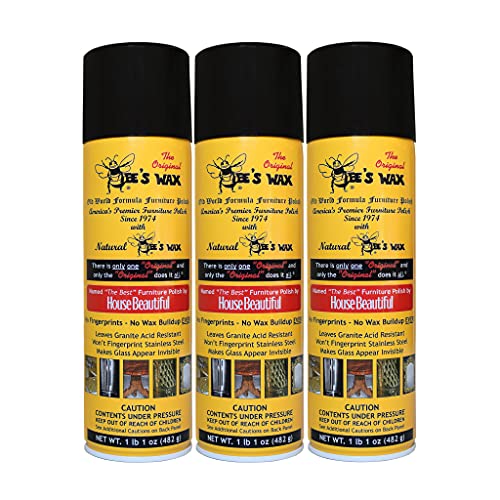
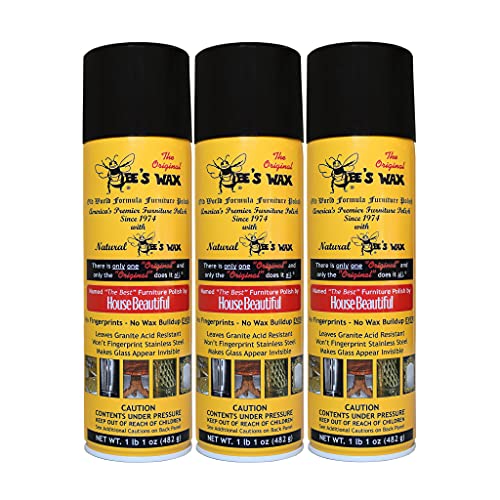
To restore shine, a gentle buff with a high-quality furniture polish after treating the imperfection works wonders. This not only enhances the appearance but also provides a protective layer against future damage.
Lastly, for ongoing maintenance, be mindful of coasters and placemats. These simple precautions can greatly reduce the occurrence of similar issues down the line.
Understanding the Causes of White Marks on Wood
Condensation from hot liquids or steam creates a barrier that leads to unsightly discolorations on surfaces. The heat causes moisture to penetrate the finish, altering its appearance.
Using plastic or silicone mats can contribute to these blemishes. The heat and moisture trapped beneath can cause a chemical reaction with the finish, resulting in a white haze.
Inadequate application of protective coating can allow for oxidation, leading to a dull appearance over time. Regular maintenance and proper treatment are essential for maintaining the visual appeal of the surfaces.
Direct sunlight causes fading, which can also accentuate discolorations. UV rays break down finishes, making them more susceptible to damage and creating areas that look washed out.
Using low-quality cleaning products can lead to residue build-up, which can interact with the finish. This interaction may create an undesirable film that manifests as pale spots.
Be mindful of the types of items placed on these surfaces. Heavy objects can dent and warp the finish, sometimes leading to a lightened appearance around the affected areas.
DIY Methods to Remove White Rings from Wood
First, I recommend using a mixture of equal parts vinegar and olive oil. Apply this solution with a soft cloth, rubbing gently in the direction of the grain. The vinegar helps remove moisture, while the olive oil conditions the surface.
Another effective technique involves using a mixture of baking soda and water to create a paste. Apply the paste over the affected area, let it sit for a few minutes, then gently buff it out with a clean cloth. This method can be particularly effective for deeper stains.
You can also try using a hairdryer. Set it to a low heat setting and hold it a few inches away from the stains. Move it in circular motions for about 30 seconds, allowing the heat to evaporate any trapped moisture.
Some homeowners find that a simple combination of mayonnaise and the juice of a lemon works well. Apply a small amount to a cloth and rub it into the affected area, letting it sit for an hour before wiping off. This method not only helps lift the stain but also adds shine.
If you prefer using commercial products, furniture polish specifically designed to combat moisture damage can also be effective. Ensure to follow the product instructions for optimal results.
Regular maintenance can prevent future issues. Use coasters and avoid placing hot or wet items directly on surfaces to keep them looking pristine.
Choosing the Right Products for Treatment
Selected items can greatly impact results when addressing blemishes on surfaces. I focus on natural oils, waxes, and specialized restorers when treating affected areas. Here’s a breakdown of effective options:
| Product Type | Key Features | Usage Tips |
|---|---|---|
| Natural Oils (e.g., olive oil, walnut oil) | Moisturizes and enhances shine | Apply with a soft cloth, working in small sections. |
| Beeswax | Protects and adds luster | Heat slightly to soften; rub into surface and buff well. |
| Commercial Wood Restorers | Designed to remove blemishes and restore sheen | Follow manufacturer’s instructions for application. |
| Vinegar and Olive Oil Mixture | Natural cleaner that removes stains | Mix equal parts; apply with a soft cloth and polish afterward. |
| Furniture Polish | Provides a quick shine | Spray on cloth first, then wipe surface; avoid overuse. |
Choosing the Suitable Method
Understanding formulations is crucial. Always check for compatibility with your surface finish. Testing any treatment on a hidden area is wise to ensure it does not cause adverse reactions. These preparations will aid in achieving the desired outcome while maintaining the integrity of your surfaces.
Prevention Tips to Avoid Future White Marks
Apply coasters under beverages to avoid direct contact with surfaces. I use cork or felt coasters, as they absorb moisture effectively.
Invest in placemats for dishes and utensils during meals. This protects against heat and moisture, reducing the risk of damage.
Maintain humidity levels in the environment. A dehumidifier or humidifier can help keep the atmosphere stable, preventing moisture-related issues.
Regularly polish surfaces with appropriate products. I find that this creates a protective barrier, which helps resist stains and moisture intrusion.
Avoid placing hot items directly on surfaces. Using trivets or heat-resistant mats prevents thermal damage and subsequent discoloration.
Keep surfaces clean and dry. Wipe spills immediately with a soft, absorbent cloth. I always keep microfiber cloths handy for quick cleanups.
Consider using furniture wax periodically. This provides an additional protective layer, making it harder for stains to penetrate.
Store items like plant pots or decorative vases on trays. This way, any moisture collected can be managed without affecting the surface directly.
Additionally, position furniture away from direct sunlight. This reduces the risk of fading and thermal expansion that can lead to surface imperfections.
When to Seek Professional Help for Restoration
Consider professional assistance if DIY techniques fail or if the damage is extensive. Here are key indicators:
- Severe Damage: If the surface has deep scratches, dents, or stains that penetrate beyond the finish, experts can assess and address underlying issues.
- High-Value Items: For antiques or heirlooms, a specialist trained in restoration can preserve value while ensuring proper techniques are applied.
- Structural Problems: If the integrity of the piece is compromised, such as loose joints or warped edges, a professional can provide repairs that maintain stability.
- Inconclusive Results: If previous attempts haven’t improved the appearance, it’s time to consult an expert who can offer tailored solutions.
- Time Constraints: If busy schedules prevent completing repairs efficiently, professionals can expedite the process and ensure quality.
It’s wise to seek estimates and check reviews or credentials before choosing a repair service. This ensures knowledgeable handling of your valuable items.
Maintaining the Finish of Your Wood Pieces
Regular upkeep is key to preserving a glossy surface. At least once a month, I apply a quality furniture polish to rejuvenate the finish and create a protective barrier. This step can significantly enhance the overall appearance and durability of the surface.
Routine Cleaning
Utilize a soft, lint-free cloth for dusting. Dampening the cloth slightly with water before wiping can effectively lift away debris without causing damage. Avoid abrasive materials that might scratch the finish.
Conditioning the Surface
Every six months, I recommend using a wood conditioner. This product penetrates the grain, restoring moisture and preventing drying. Following the manufacturer’s instructions ensures optimal absorption and extends the life of the finish.
In case of exposure to spills or stains, act immediately. Gently blot the area with a clean, dry cloth instead of rubbing, which may spread the liquid. Addressing issues swiftly helps maintain the integrity of the conserve.
Finally, be mindful of the environment. Keep these items away from direct sunlight, heating vents, and high humidity areas to safeguard the finish from fading or warping. Simple adjustments in placement can prolong both beauty and functionality.
FAQ:
What causes white marks on wood furniture?
White marks on wood furniture are often caused by heat, moisture, or cleaning products. When hot items, such as mugs or dishes, are placed directly on wooden surfaces, they can leave behind a white ring as the heat affects the finish. Similarly, spills from water or cleaning solutions that penetrate the finish can cause discoloration. These marks indicate that the protective layer has been compromised, allowing moisture or heat to affect the wood underneath.
How can I remove white marks from my wooden furniture?
There are several methods to remove white marks from wooden furniture. One simple approach is to use a mixture of equal parts vinegar and olive oil. Apply the mixture to the stained area with a soft cloth, rubbing gently in the direction of the grain. Alternatively, you can try using a hairdryer on a low setting to heat the area gently; this can often evaporate the moisture trapped in the finish. If these methods do not work, targeted applications of toothpaste or baking soda mixed with water can also help lift the marks.
Are there any preventative measures to avoid white marks on wood furniture?
To prevent white marks on wood furniture, it is advisable to always use coasters or placemats under hot or cold items. Additionally, applying a good quality wood conditioner or polish regularly helps to maintain the protective finish. Keeping furniture away from direct sunlight and avoiding high humidity areas can also reduce the risk of damage. Regular maintenance and mindful usage habits can significantly prolong the life of your wood furniture and keep it looking its best.
What if the white marks on my wood furniture don’t come off?
If the white marks on your wood furniture persist despite your efforts, it may be time to consider refinishing the affected area. This process involves sanding down the finish and applying a new coat of stain or varnish. Depending on the extent of the damage, it might be advisable to consult a professional for help. They can provide a thorough assessment and recommend the best course of action. In some cases, replacing the damaged furniture may be the most practical solution.


