Caleb Turner

Choose a suitable area to begin. Set up a workspace with good lighting, protective coverings for the floor, and all necessary tools within reach. Gather sandpaper, a wood conditioner, and appropriate finishes to prepare for your project.
Start with a thorough cleaning. Use a mild detergent mixed with water to remove dirt and grease, ensuring the surface is clear for treatment. After washing, dry the piece completely to prevent moisture damage.
Sand the surface carefully. Begin with coarse sandpaper to remove any old finish, followed by finer grades to achieve a smooth texture. Pay attention to corners and intricacies; using a sanding block can help maintain even pressure.
Apply a wood conditioner to ensure an even stain absorption. This step is crucial for achieving a uniform color and enhancing the grain pattern. Allow it to penetrate for the recommended time before moving on.
Staining breathes new life into your piece. Select a product that complements the desired aesthetic, brushing it on in the direction of the grain. Wipe away any excess to prevent blotchiness. Once dry, consider applying a protective sealant for durability.


Inspect for any structural issues. Tighten screws, fix joints, and reinforce legs as necessary. This attention to detail ensures the piece not only looks good but also remains functional.
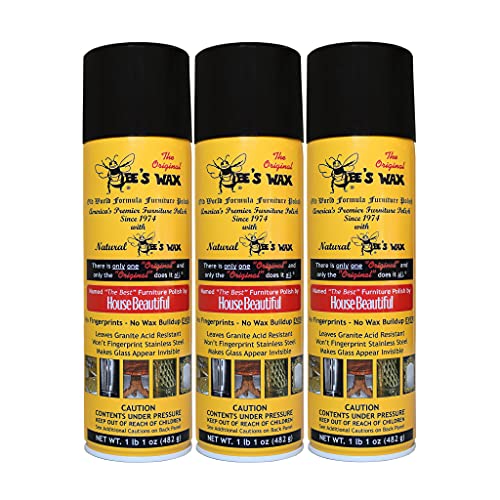
Finish with polishing to enhance the final look. A soft cloth and a quality furniture wax can add a protective layer while bringing out a subtle shine. This last touch can rejuvenate even the most worn surfaces, making them feel new again.
Revitalizing Vintage Pieces
To restore character-rich antiques, I begin by thoroughly cleaning the surface with a mild soap solution, removing dirt and grime without damaging the finish. For tougher stains, a mixture of vinegar and water works wonders–just be cautious to avoid soaking the wood.
Next, I assess for scratches or dents. A simple trick involves using a hot iron and a damp cloth. Placing the cloth over the blemish and lightly passing the iron can help raise the wood fibers back into place. This method often revives the original texture effectively.
For deeper imperfections, a wood filler is my go-to. I select a shade that closely matches the original tone. After applying, I smooth it out with fine sandpaper to ensure an even surface, blending it seamlessly with the surrounding area.
When it comes to polishing, I opt for natural oils, such as tung or linseed, to nourish and protect the timber. Applying a thin coat and buffing it gently with a soft cloth can restore luster and enhance the grain’s visibility.
I also pay attention to any loose joints. Using wood glue, I carefully apply it into the joint and clamp it until dry. This step ensures stability, extending the piece’s lifespan significantly.
Lastly, to maintain its charm, I steer clear of harsh chemicals. Regular dusting with a microfibre cloth helps prevent buildup, preserving both the appearance and structural integrity of these treasured items.
Assessing the Condition of Your Furniture
Check for visible damage such as scratches, dents, or chips. This will help gauge the amount of work required. Use a soft cloth to wipe surfaces and reveal any hidden imperfections beneath the dust.
Next, examine joints and connections. Loose joints can compromise stability. If pieces wiggle or separate easily, plan on tightening or re-gluing these areas.
Inspect for signs of pests, like small holes or droppings. Identify any infestation, as this could necessitate professional intervention. Take note of any wood discoloration, which may indicate moisture damage. Use a moisture meter for accuracy.
Evaluate the finish on the surface. Look for areas that appear dull or faded. This will guide you on whether a simple polish or a complete refinishing is necessary.
Test the structural integrity by gently applying pressure to different parts. Pay attention to any creaking sounds that might indicate weakness.
| Condition | Assessment Method | Action Needed |
|---|---|---|
| Scratches/Dents | Visual inspection | Repair or touch-up |
| Loose Joints | Physical manipulation | Tighten or re-glue |
| Pest Damage | Look for holes/droppings | Consider professional help |
| Moisture Damage | Check for discoloration | Assess for repairs needed |
| Dull Finish | Visual and tactile examination | Polish or refinish |
| Structural Integrity | Apply pressure | Address weaknesses |
Documenting these assessments in a notebook can help maintain focus while working on restoration. Prioritize the most crucial issues before moving on to cosmetic enhancements.
Choosing the Right Cleaning Products
I recommend opting for pH-balanced cleaners that are specifically formulated for delicate surfaces. These products effectively remove dirt without causing damage. Here are some great options:
- Plant-based cleaners: These are eco-friendly and typically free from harsh chemicals, making them safe for both the surface and the environment.
- Oil soaps: Ideal for removing grimy buildup, oil soaps nourish the finish while cleaning, enhancing the overall appearance.
- Mild dish soap: A simple solution using a few drops in warm water can work wonders. Always test on a small area first.
Avoid abrasive cleaners or anything containing ammonia, as these can strip finishes and harm the surface. Prioritize natural ingredients when possible, as they tend to be gentler.
Always keep in mind that testing any product on a hidden area is crucial before applying it to visible sections. This step ensures compatibility with the finish and minimizes any unwanted reactions.
For restoring shine, I suggest using a cream or paste wax. Apply it with a soft cloth, working in a small area at a time for even coverage. This approach helps to protect and enrich the look without harsh chemicals.
By carefully selecting the right cleaning products, I can ensure the longevity and beauty of my treasured pieces.
Repairing Scratches and Dents
To address scratches, I use a wax crayon or furniture touch-up pen matching the surface color. Gently fill in the scratch, level it with a small plastic scraper, and buff the area using a soft cloth. This method blends the repair seamlessly with the surrounding finish.
For Deeper Dents
For dents, I apply a damp cloth over the indent and use an iron set to medium heat. I press the iron on the cloth for several seconds, allowing steam to penetrate and raise the wood fibers. I check frequently to ensure I don’t overheat or damage the surrounding area.
Using Natural Remedies
I also utilize natural products like olive oil and vinegar for minor scratches. Mixing equal parts of these ingredients creates a solution I apply gently with a soft cloth, nourishing the wood and minimizing the appearance of imperfections.
Refinishing vs. Painting: What to Choose?
I recommend considering the characteristics of your piece before deciding between refinishing and painting. Refinishing preserves the natural grains and color of the material while enhancing its beauty. On the other hand, painting can transform an item entirely and allow for a personal touch with color choices.
Factors to Consider
- Desired Look: If you want to maintain the classic appeal, go for refinishing. For a modern twist, painting is ideal.
- Condition: If the surface has significant damage or imperfections, painting might cover those flaws more effectively than refinishing.
- Maintenance: Painted surfaces may chip and require touch-ups, while refinished items usually only need occasional polishing.
- Time and Effort: Refinishing requires careful sanding and multiple coats of finish, whereas painting could be quicker but demands multiple layers for even coverage.
My Recommendation
If the original surface is in good shape, I lean towards refinishing. If I’m aiming for a bold change or the condition isn’t salvageable, I opt for painting. Each approach has distinct advantages, so weigh them according to your needs and aesthetic preferences.
Steps for Stripping Old Finish
I always begin by selecting an appropriate chemical stripper. Look for a product that is safe for indoor use and effective on the specific finish you’re dealing with. Apply it generously with a brush, ensuring even coverage over the surface. Let it sit according to the manufacturer’s instructions, usually around 15-30 minutes, as this gives the product time to penetrate the old coating.
Once the time has passed, I use a plastic scraper to gently lift the softened finish away from the surface. It’s crucial to work with the grain to avoid damaging the wood beneath. For intricate areas or joints, a smaller detail scraper can be very helpful.
After scraping, I wash the surface with warm water and a mild detergent to neutralize the stripper. Using a clean cloth, I wipe down thoroughly, ensuring no residue remains. This step is important for achieving a smooth surface for future treatments.
If any stubborn spots persist, I repeat the stripping process in those areas, applying the stripper and allowing it to soak again before scraping. Once satisfied with the results, a thorough drying period allows the wood to breathe before proceeding with refinishing or other treatments.
Applying Stain and Sealant Properly
Before applying stain and sealant, ensure the surface is clean and dry. I prefer using a lint-free cloth to wipe down the area. This step removes any dust or debris that could interfere with adhesion.
Select a stain that complements the grain and character of the piece. I typically test the stain on a hidden area to verify the color matches my expectations. Use a foam brush or a clean rag to apply the stain, working it into the grain in the direction of the wood. I let it sit for a few minutes before wiping off the excess with a clean cloth to achieve the desired depth of color.
Let the stain cure for at least 24 hours before moving to the sealant application. For sealants, I choose a water-based polyurethane for its low odor and quick drying time. Apply thin layers using a high-quality brush, ensuring even coverage and minimal drips. I usually wait about two hours between coats, lightly sanding with 220-grit sandpaper after each layer dries to promote adhesion.
| Step | Action | Notes |
|---|---|---|
| 1 | Clean Surface | Use a lint-free cloth to remove dust. |
| 2 | Choose Stain | Test on a hidden area before full application. |
| 3 | Apply Stain | Use a foam brush or clean rag, work with the grain. |
| 4 | Let Cure | Minimum 24 hours before sealing. |
| 5 | Apply Sealant | Thin layers with a high-quality brush. |
| 6 | Sanding Between Coats | Lightly sand with 220-grit sandpaper after each coat. |
After applying at least two coats of the sealant, allow it to cure completely before using the piece, which usually takes about a week for full hardness. This process protects against moisture and wear, ensuring longevity.
Replacing or Repairing Broken Hardware
Check the hardware carefully for any signs of damage or wear. If a handle or hinge is broken, assess whether it can be repaired or needs replacement.
Repair Strategies
- If screws are loose, tighten them using a screwdriver. Consider wood glue for spin-out screws; once the glue dries, reinsert the screws.
- For broken knobs, use epoxy adhesive to reattach pieces or fill cracks. Clamp the parts together until cured.
- Examine hinges for misalignment. Sometimes, merely repositioning the hinge can resolve functionality issues.
Replacement Options
If components are beyond repair, look for suitable replacements at local hardware stores or online retailers. Choose pieces that complement the overall design.
- Measure existing hardware accurately. Note sizes and styles before shopping.
- Consider decorative elements to enhance aesthetic appeal; unique knobs and handles can elevate the item’s appearance.
- Install the new hardware by aligning it with pre-existing holes or creating new ones if necessary.
Always ensure fasteners are securely tightened and check for any wobbling post-installation. Regular maintenance of hardware will prolong its life and functionality.
Maintaining Your Restored Furniture
I recommend regularly dusting restored pieces with a soft, dry cloth to keep them looking fresh. Avoid using damp cloths, which can lead to water spots or damage. For deeper cleaning, opt for a mild soap solution, applying it sparingly and ensuring no moisture lingers.
Routine Checks
I conduct routine checks for signs of wear or damage. Pay attention to joints and areas prone to stress. If any loose parts are found, a simple tightening with a screwdriver can remedy the issue. Annual inspections of finish integrity can prevent significant deterioration.
Protective Measures
<p To shield against scratches and heat, I recommend using coasters for drinks and felt pads under decorative items. If placing heavy items, consider evenly distributing the weight to minimize pressure marks. Lastly, positioning away from direct sunlight helps prevent fading and warping over time.